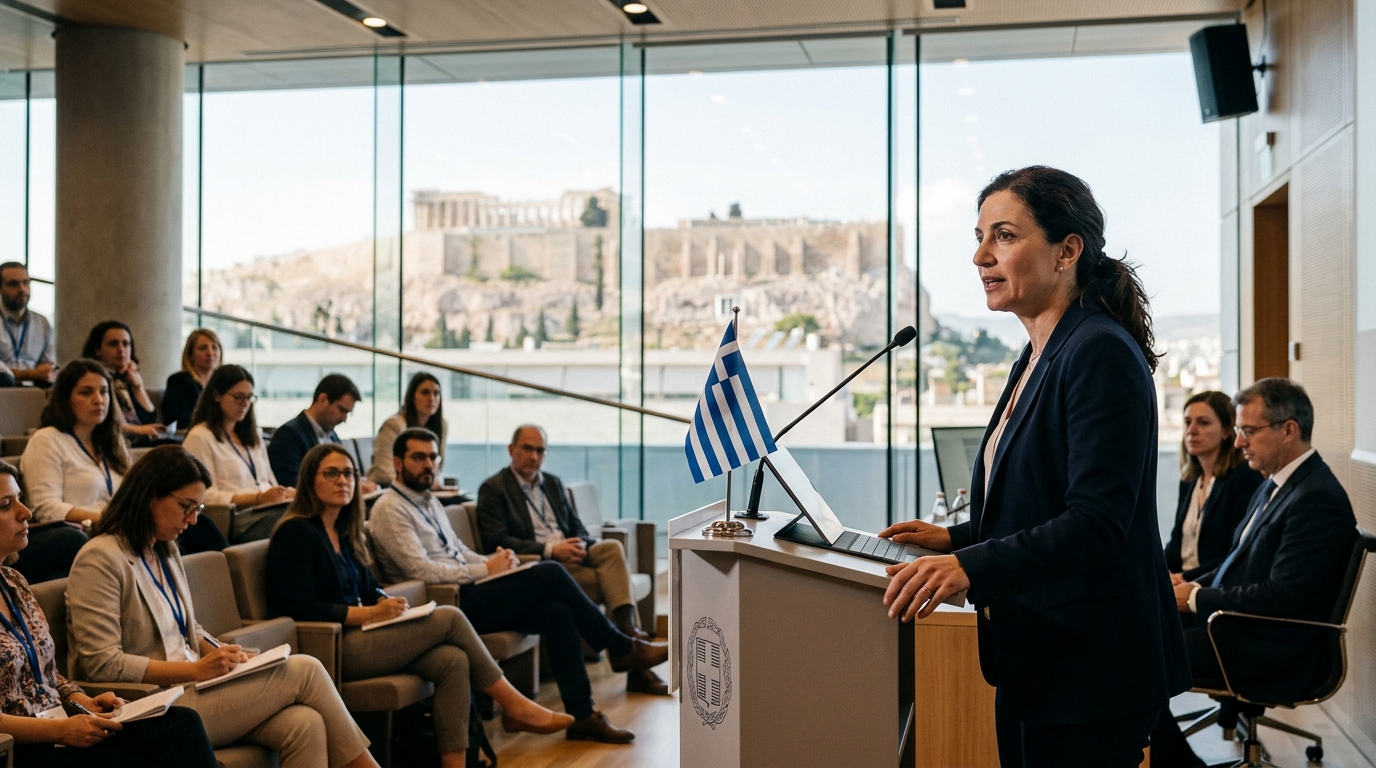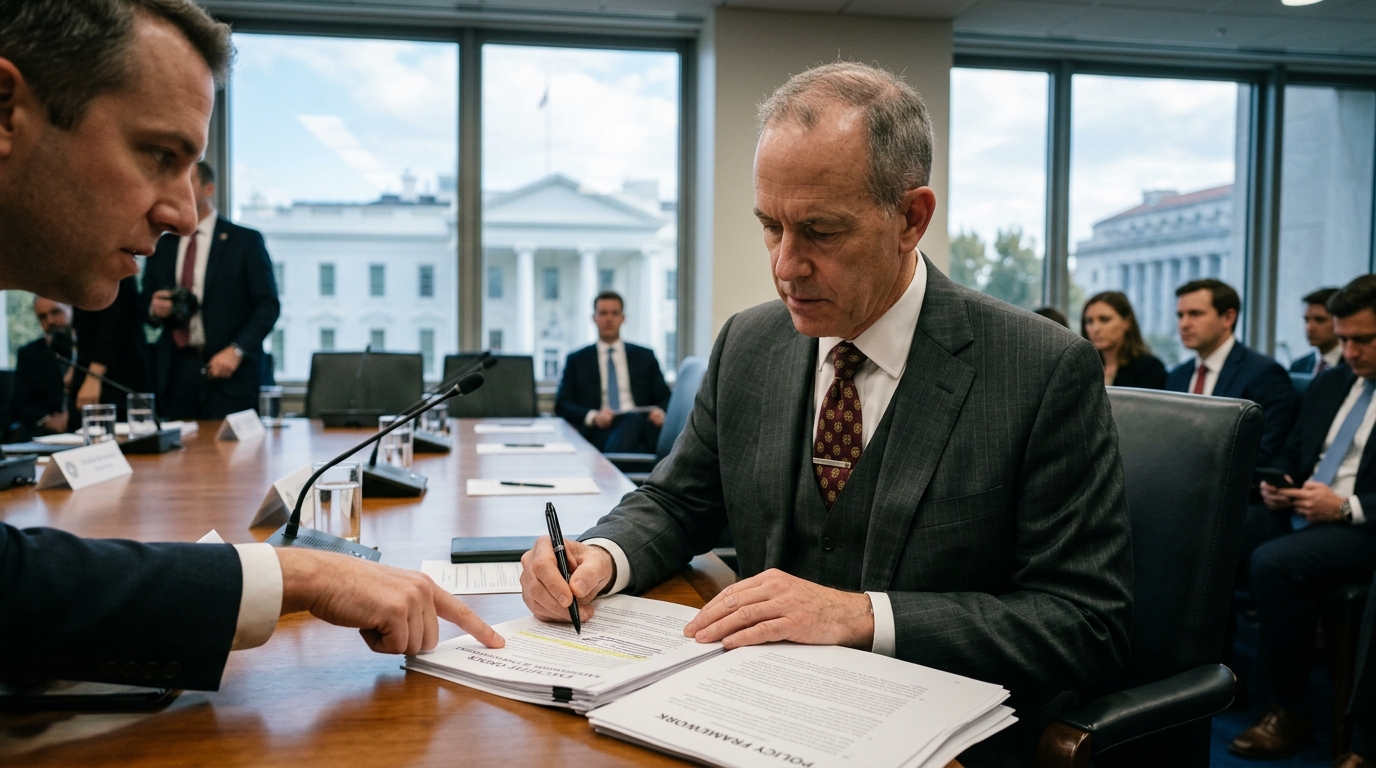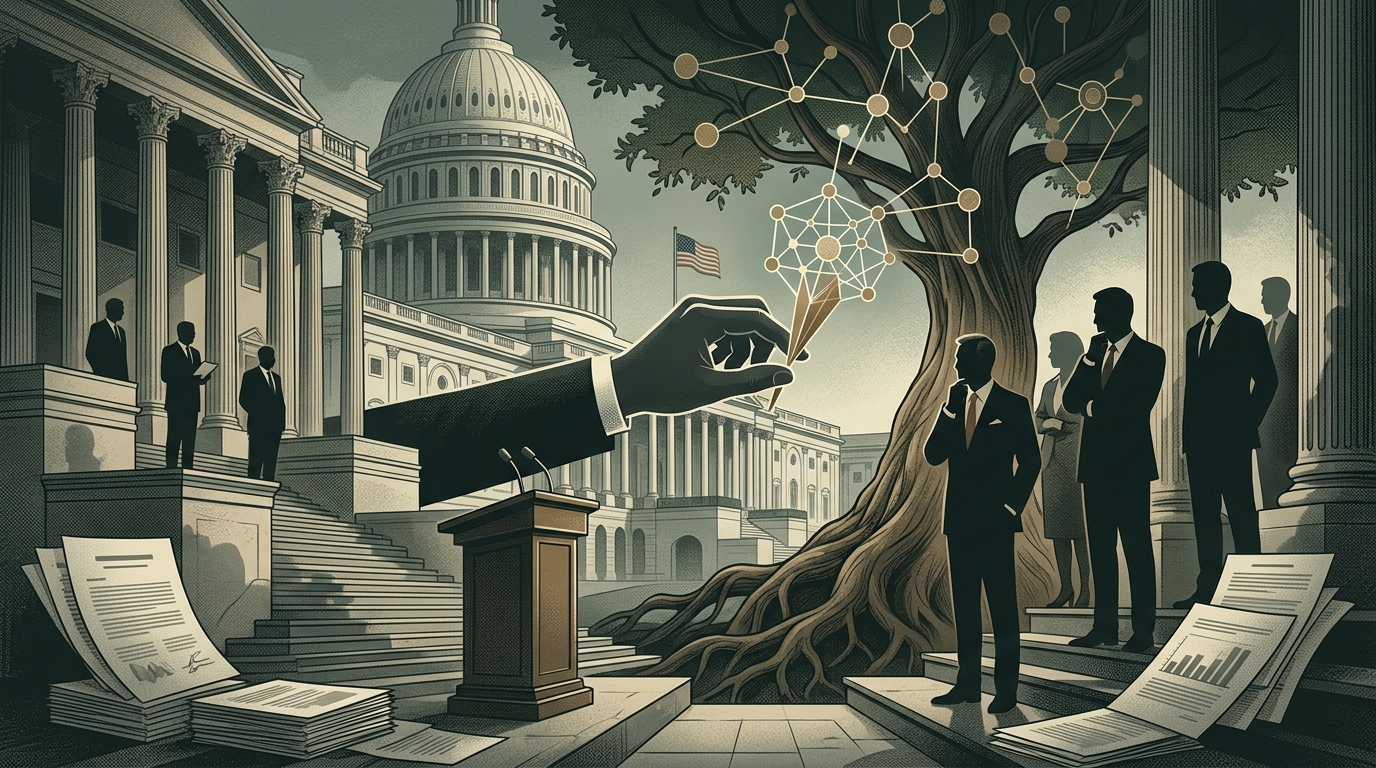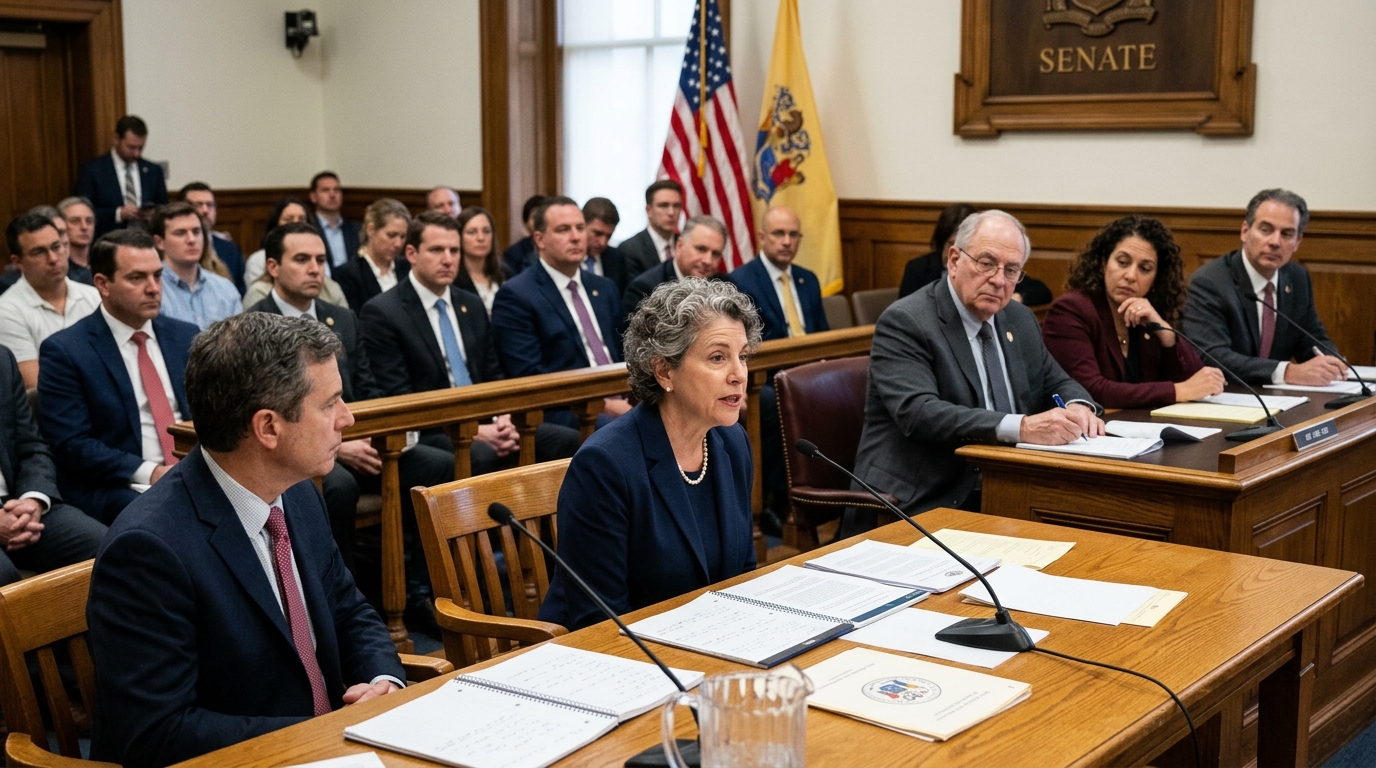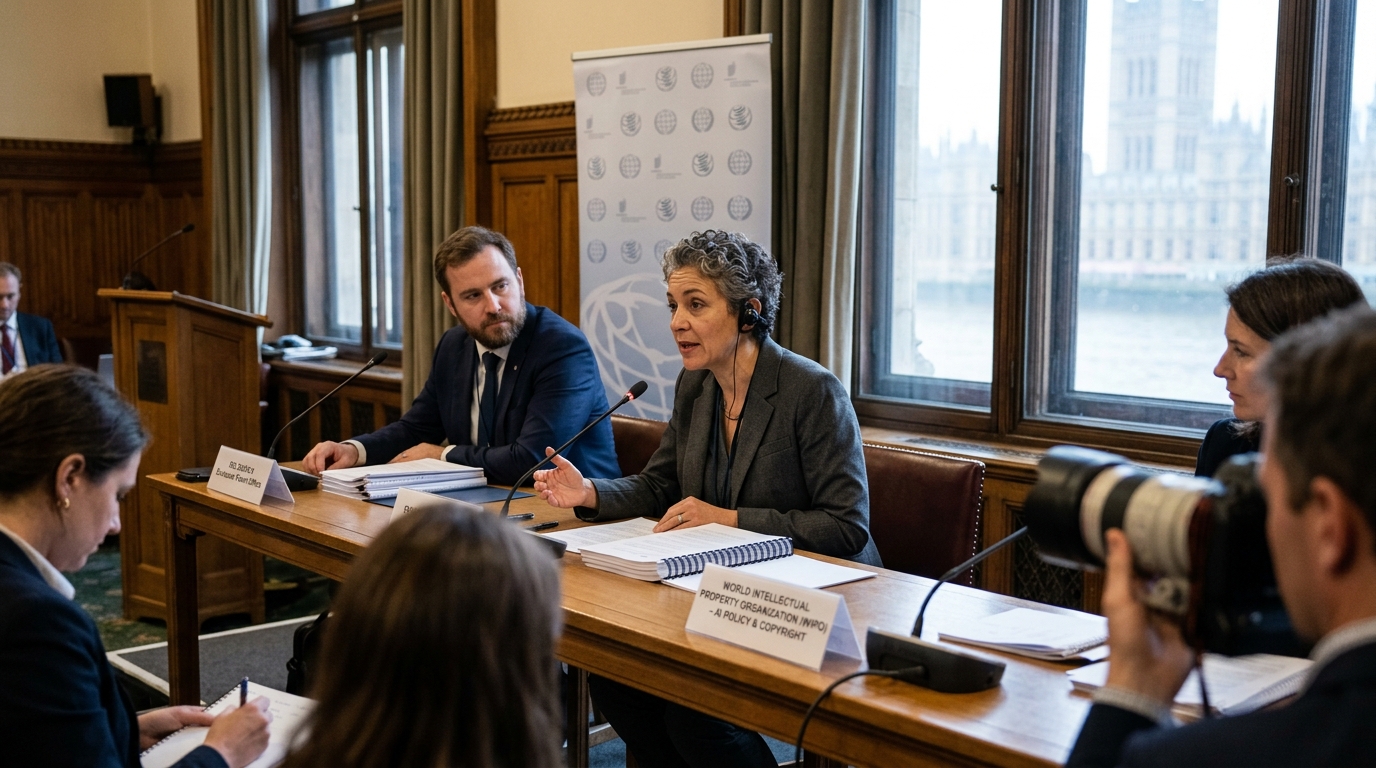
In the heart of London, where the tradition of legal scholarship meets the dynamism of the global market, the International Trademark Association (INTA) gathered the global elite of intellectual property (IP). The central theme, as expected, was none other than Artificial Intelligence (AI). This year's event went beyond theoretical discussions, focusing on an existential crisis for trademark and copyright law: How can a legal framework designed for the 19th and 20th centuries survive in the age of Large Language Models (LLMs)?
The Data Clash: Training vs. Rights
The most burning issue occupying the delegates was the use of protected content for training AI models. Lawyers representing major fashion houses and tech giants found themselves on opposing sides. On one hand, rights holders argue that feeding algorithms with their works constitutes a blatant infringement. On the other, tech companies invoke "fair use," arguing that the process is transformative and essential for innovation.
In London, the debate carried special weight as the UK attempts to balance its ambition to become an "AI superpower" with the need to protect its robust creative industry. Speakers emphasized that the lack of transparency regarding training datasets is the single biggest hurdle to reaching a fair deal. Without clear rules on what enters the AI "black box," assigning compensation remains a legal utopia.
Trademarks and "Invisible" Infringement
Another critical dimension analyzed in depth is the impact of AI on consumer behavior and, consequently, on trademark law. Traditionally, a trademark functions as an indicator of origin, helping the human consumer avoid confusion. But what happens when the "consumer" is an algorithm?
As highlighted in the sessions, AI-powered digital assistants and search engines often bypass the user's visual contact with the brand. If you ask an AI for "a good running shoe," the algorithm selects based on criteria that aren't always transparent. This creates new forms of "unfair competition," where infringement doesn't happen on a store shelf but within the code of an application. INTA warns that if brands lose their direct connection with the consumer due to AI mediation, the value of trademarks as assets could collapse.
Regulatory Divergence: EU, US, and the UK
The conference also highlighted the gap in regulatory approaches worldwide. The European Union, with its AI Act, imposes strict transparency obligations, requiring model creators to publish summaries of the content they use. In the US, the situation remains fluid, with court decisions shaping the landscape on a case-by-case basis.
Representatives from Asia and Africa pointed out that overly strict regulation in the West could lead to a "digital migration" of AI companies to jurisdictions with more relaxed rules. The need for international harmonization through the World Intellectual Property Organization (WIPO) was deemed imperative, though many expressed skepticism about how quickly international bodies can move relative to the speed of technological evolution.
Conclusion: A New Social Contract
Closing the conference, the message was clear: Intellectual property is not an obstacle to AI, but the necessary infrastructure for its ethical development. Protecting human creativity and ensuring fair competition are the only guarantees that AI will work for the benefit of society, not just the few who own the technology. London laid the groundwork, but the path to a global consensus remains long and fraught with legal challenges.
- Transparency in training data is the "key" for future legislation.
- Trademarks risk devaluation due to algorithmic mediation.
- International cooperation is essential to avoid regulatory arbitrage.
- Human creativity must remain at the heart of the law.