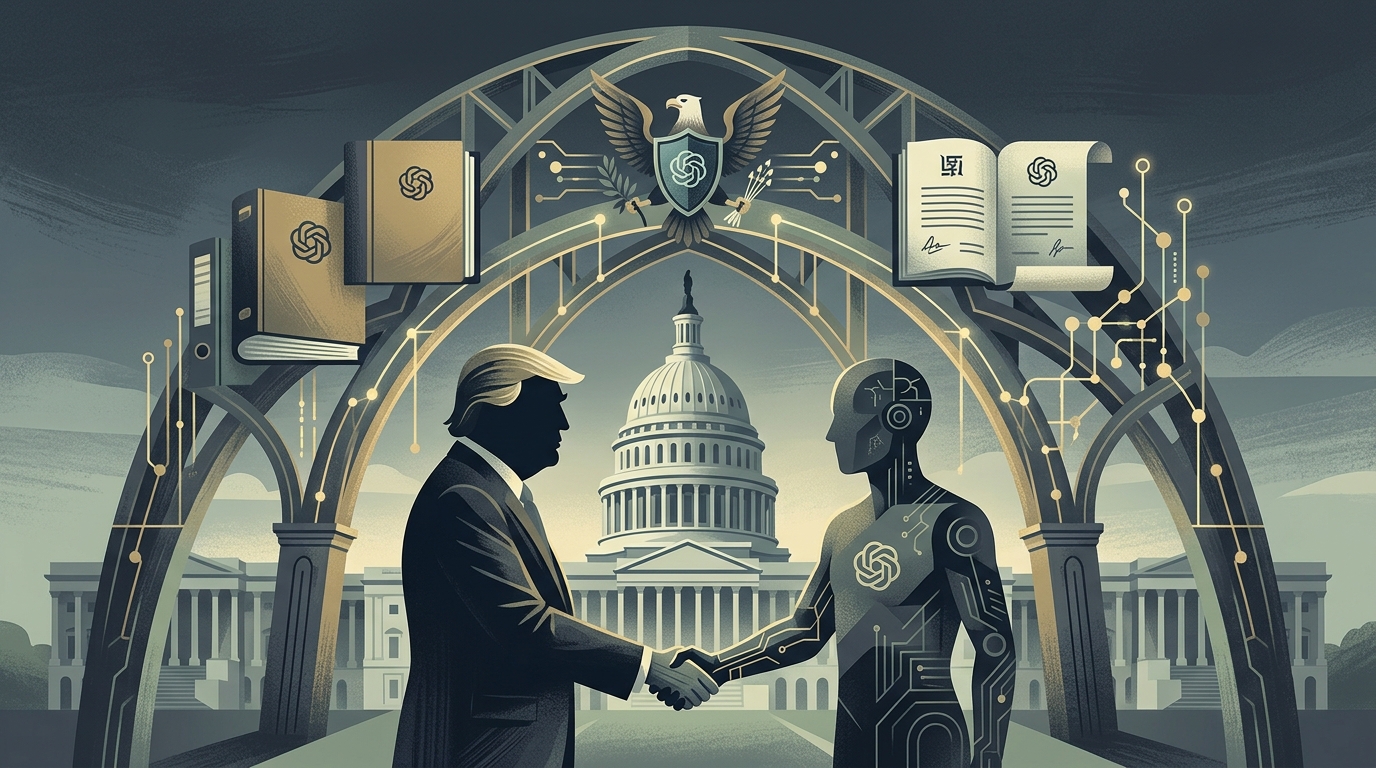
The history of technology is often written in courtrooms as much as in laboratories, and May 2026 appears to be the ultimate tipping point. Elon Musk’s recent legal setbacks—encompassing both the disputes over his Tesla compensation package and his contentious legal battle with OpenAI—are not merely the personal failures of a billionaire. They serve as the preamble to what analysts are calling the “Long Hot A.I. Summer”: a period where legal uncertainty, political rivalry, and technological acceleration are on a collision course.
The Fall of the 'Founding Avenger'
For years, Musk positioned himself as the moral guardian of artificial intelligence, claiming that OpenAI had betrayed its original mission for the sake of profit. However, the judiciary seems to have a different view on the nature of these agreements. His failure to convince the courts of a “breach of duty” by Sam Altman and Microsoft has significantly weakened his rhetoric regarding “open access.” Instead, the market has interpreted these legal maneuvers as an attempt by Musk to buy time for his own venture, xAI, which is currently struggling to match the benchmarks set by GPT-5 and Claude 4.
This defeat has deeper implications. In Silicon Valley, the concept of the “authoritarian founder” is under siege. When judges question the ability of a single individual to simultaneously control the automotive industry, space exploration, social media, and AI, a power vacuum is created. This vacuum is being rapidly filled by regulators from the European Union and the United States, who view the current instability as the ideal window to impose stricter ethical and safety frameworks.
A Summer of Regulatory Friction
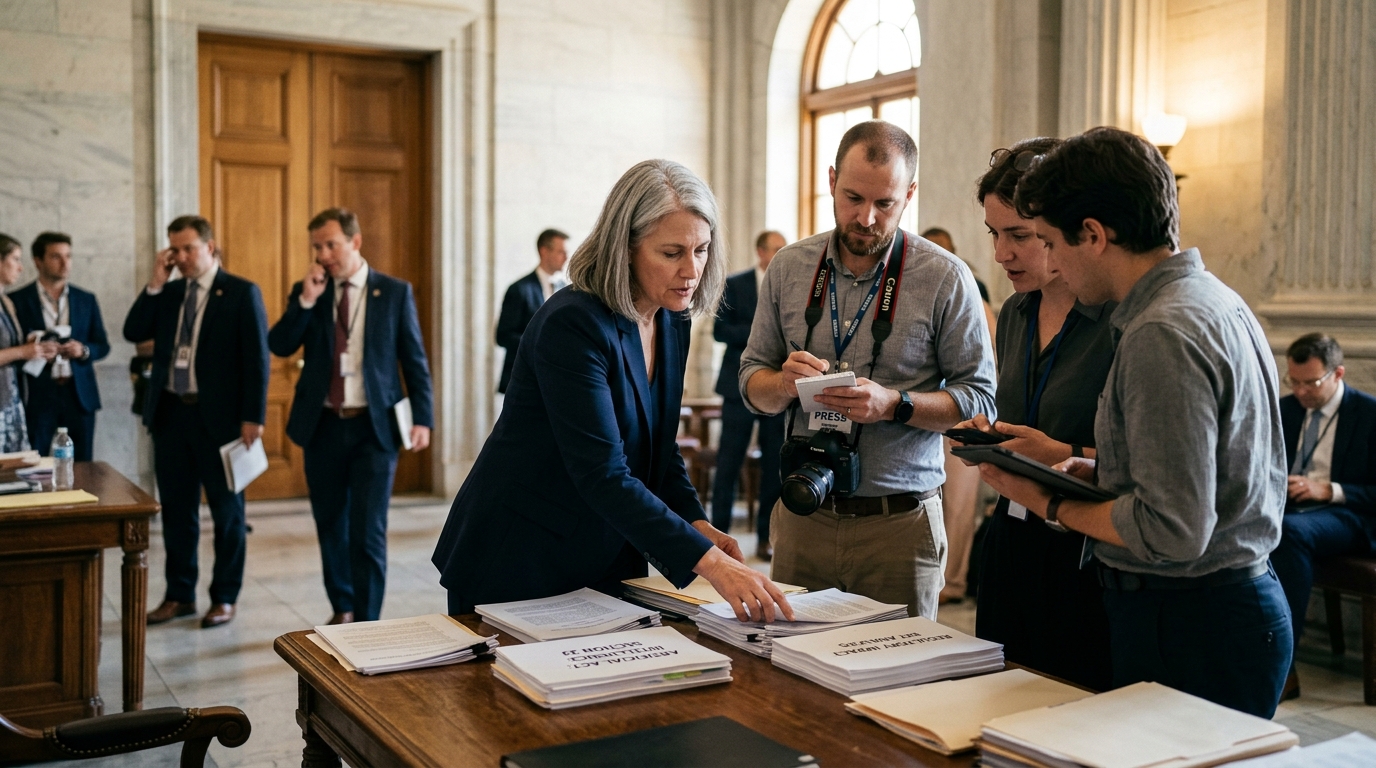
As we head into the sweltering months of 2026, the implementation of the EU AI Act is entering its most critical phase. Companies no longer have the luxury of hiding behind algorithmic “black boxes.” The court ruling against Musk acted as a catalyst, proving that even the world’s wealthiest individuals are not above the law when it comes to managing technologies that reshape the public sphere. Brussels is preparing a barrage of audits on major platforms, focusing specifically on the transparency of training data.
- Requirements for full disclosure of data sources are becoming universal.
- Sanctions for creating deepfakes without explicit labeling are tightening ahead of global elections.
- Musk’s xAI is under intense scrutiny for utilizing data from the X platform without explicit user consent.
This pressure is creating a “greenhouse effect.” On one hand, companies are racing to launch new models before regulations become overly restrictive. On the other, investors are growing cautious, wondering if the era of unchecked growth has reached its conclusion. The “hot summer” refers not just to the climate, but to the political heat surrounding data sovereignty and corporate accountability.
Geopolitical Chess and the New Global Standard
In this global theater, the tension between innovation and precaution is reaching a fever pitch. The United States, once a proponent of laissez-faire tech policy, is now looking toward the European model of “human-centric AI” as a necessary safeguard. The legal precedent set by Musk’s loss suggests that the era of “move fast and break things” is being replaced by “move fast and litigate.”
“Artificial intelligence is too significant to be left in the hands of a few individuals with personal agendas. The courts have demonstrated that the public interest must precede corporate ego,” remarked a senior policy analyst following the ruling.
In conclusion, the summer of 2026 will likely be remembered as the moment AI underwent a violent coming-of-age. Musk’s defeat is a symptom, not the cause. The real challenge lies in how we manage a technology that can no longer be steered by a single person, no matter how brilliant or wealthy. The era of “digital prophets” is fading, giving way to an era of institutional responsibility and rigorous oversight.