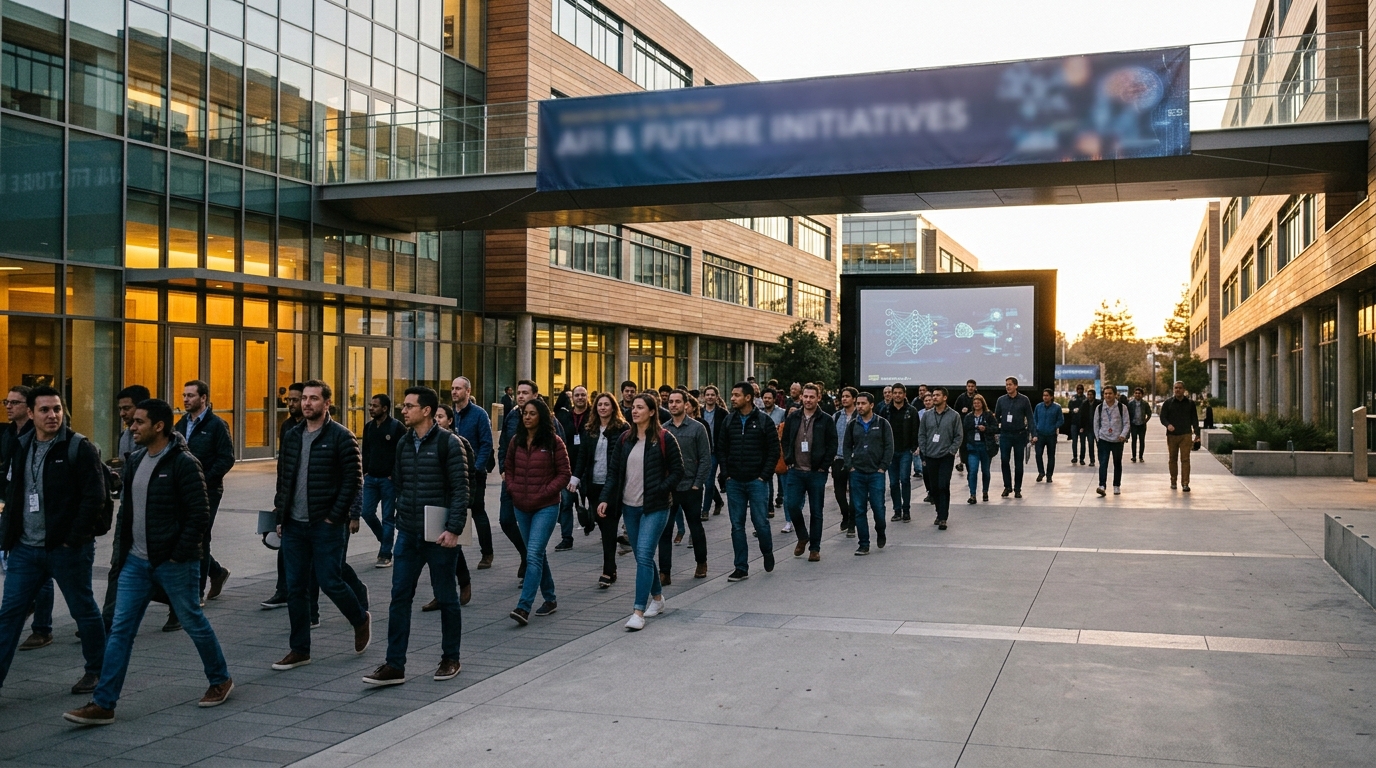
In a move that underscores the absolute dominance of artificial intelligence in the strategy of tech giants, Meta Platforms Inc. has announced the internal reassignment of 7,000 employees to roles directly related to AI. The news, leaked via an internal memo obtained by Bloomberg, comes at a moment of intense uncertainty as the company prepares to announce a new wave of job cuts later this week. This maneuver signals the definitive end of the "Metaverse-first" era and a total commitment to Mark Zuckerberg’s vision of an empire built on machine intelligence.
The Efficiency Strategy and the AI Pivot
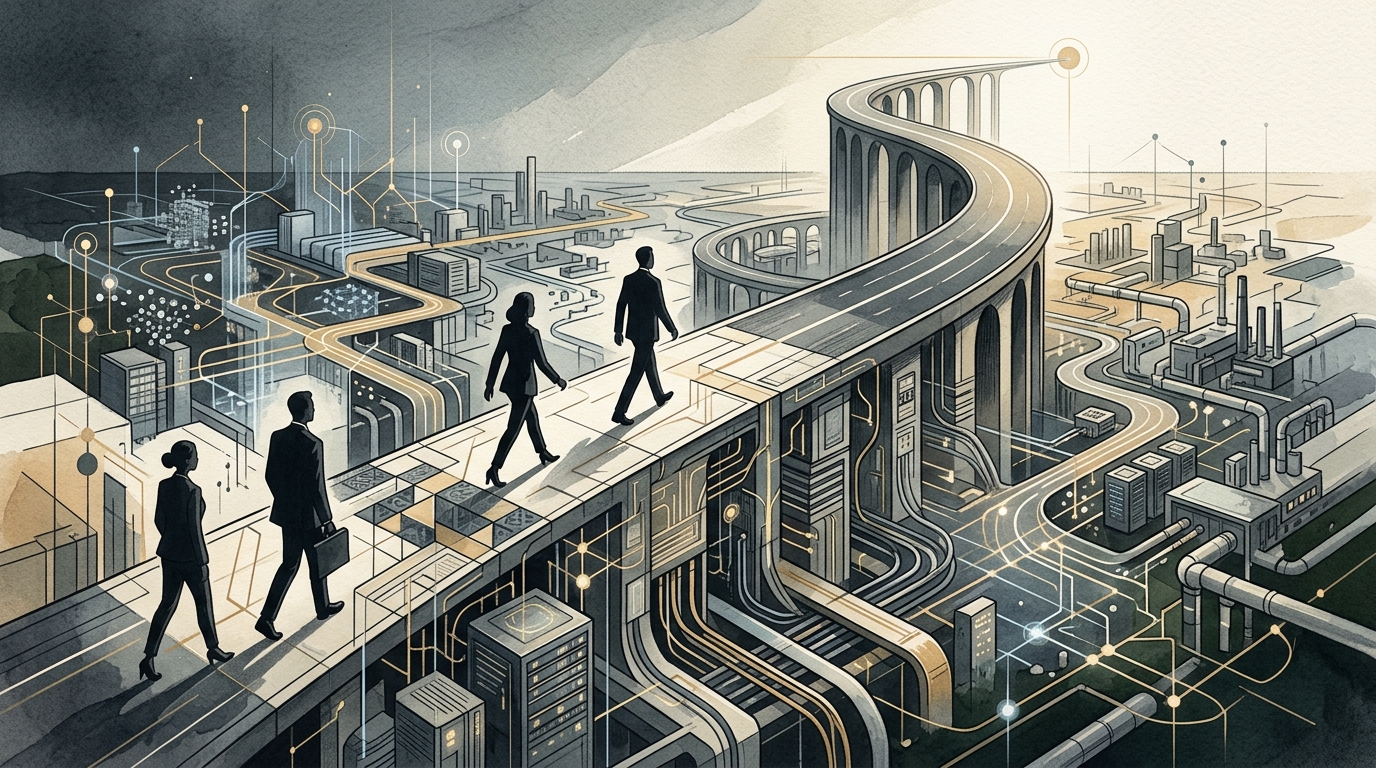
This shift is not a total surprise to those who have closely followed Meta’s trajectory since 2023, which Zuckerberg famously dubbed the "Year of Efficiency." However, the scale of the current restructuring is staggering. The 7,000 employees being moved represent approximately 10% of the company's total workforce. Most of these individuals are coming from departments that were traditionally considered Meta's core: social media management (Facebook, Instagram) and Reality Labs, the division developing the Metaverse.
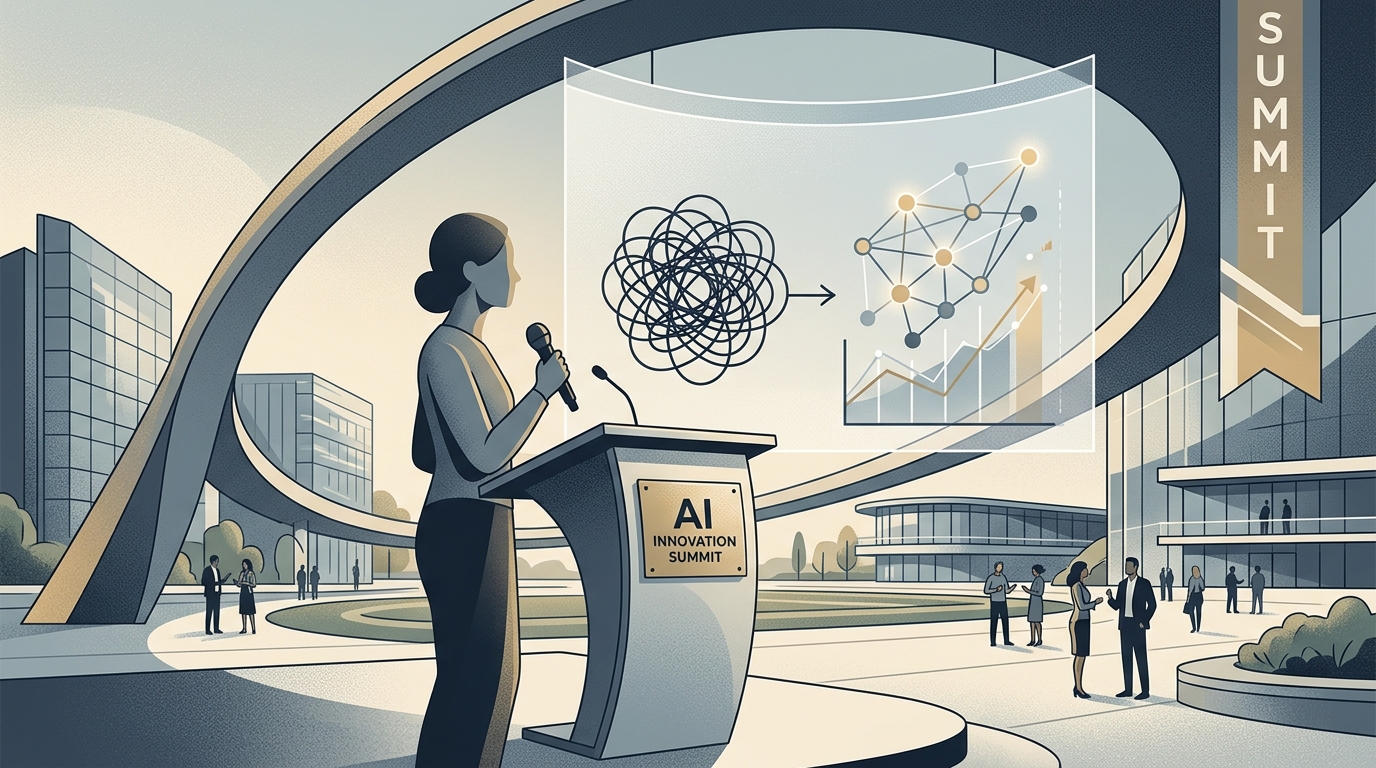
The pivot is driven by Meta's urgent need to keep pace with competition from OpenAI and Google. With Llama 4 on the horizon and the integration of AI agents into every facet of its apps, the company needs every available talent focused on algorithm refinement, data management, and infrastructure development. Many observers see this move as an attempt to "rescue" high-performing staff before the impending layoffs, which are expected to primarily hit middle management and departments no longer deemed of strategic importance.
The Human Factor and the Reskilling Challenge
A pressing question arises: do these 7,000 employees possess the necessary skills to meet the demands of AI development? While Meta has invested billions in internal reskilling programs, the transition from product management or marketing to machine learning engineering is no small feat. According to labor market analysts, many of these workers will likely be placed in "operational support" roles for AI, such as data labeling, quality assurance, and ethical oversight of algorithms.
- Infrastructure Focus: A significant portion of the transfers involves engineers who will work on Meta's new AI-optimized data centers.
- AI Agents: Developing sophisticated digital assistants for WhatsApp and Messenger is a top priority for 2026.
- Advertising: Using AI to optimize ad revenue remains the primary engine funding all other ventures.
"We are not just restructuring a company; we are rebuilding Meta's DNA around a new core," a senior executive stated in the memo.
The Shadow of Layoffs
Despite the optimism leadership attempts to project regarding the AI future, the atmosphere at Menlo Park headquarters remains somber. Reports suggest that the layoffs to be announced in the coming days will affect thousands of positions globally. Meta appears to be following a ruthless but—from a business perspective—rational tactic: trimming the "fat" of legacy structures to fuel the resource-hungry AI engine. Wall Street investors seem to applaud the move, as the company's stock rose 2% following the memo's leak.
In conclusion, Meta is transforming from a social media company into an AI infrastructure and services firm. The reassignment of 7,000 workers is the largest experiment in internal mobility in Silicon Valley history. If successful, Zuckerberg will have managed to transform a lumbering giant into a lean machine of innovation. If it fails, Meta risks losing touch with its users, sacrificing the human experience on the altar of algorithmic supremacy.