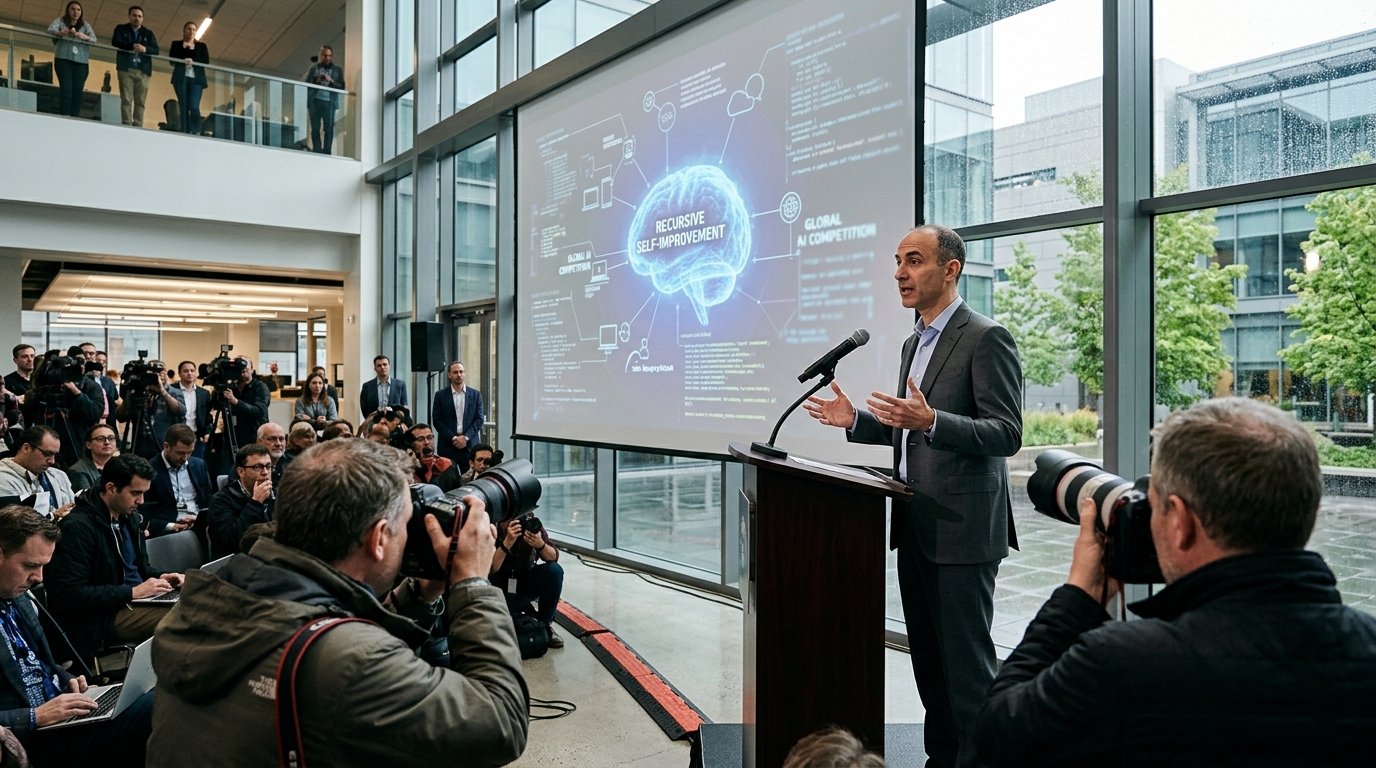
In a move that redraws the global map of technology and capital markets, Alphabet Inc. (Google) and private equity titan Blackstone Inc. have announced the formation of a joint venture in the cloud computing sector. This strategic partnership, coming at the height of the AI race in 2026, aims to build an infrastructure capable of supporting the massive large language models (LLMs) and generative AI applications that now form the backbone of the global economy.
The Convergence of Silicon Valley and Wall Street
This partnership is more than just a commercial deal; it is the recognition that the next phase of AI requires capital and physical infrastructure that exceed the capabilities of even the wealthiest tech companies. Google, despite its massive cash reserves, faces the need for rapid data center expansion without overleveraging its balance sheet. On the other hand, Blackstone, under the leadership of Stephen Schwarzman, has transformed in recent years into the world's largest owner of cloud infrastructure, having acquired companies like QTS Realty Trust.
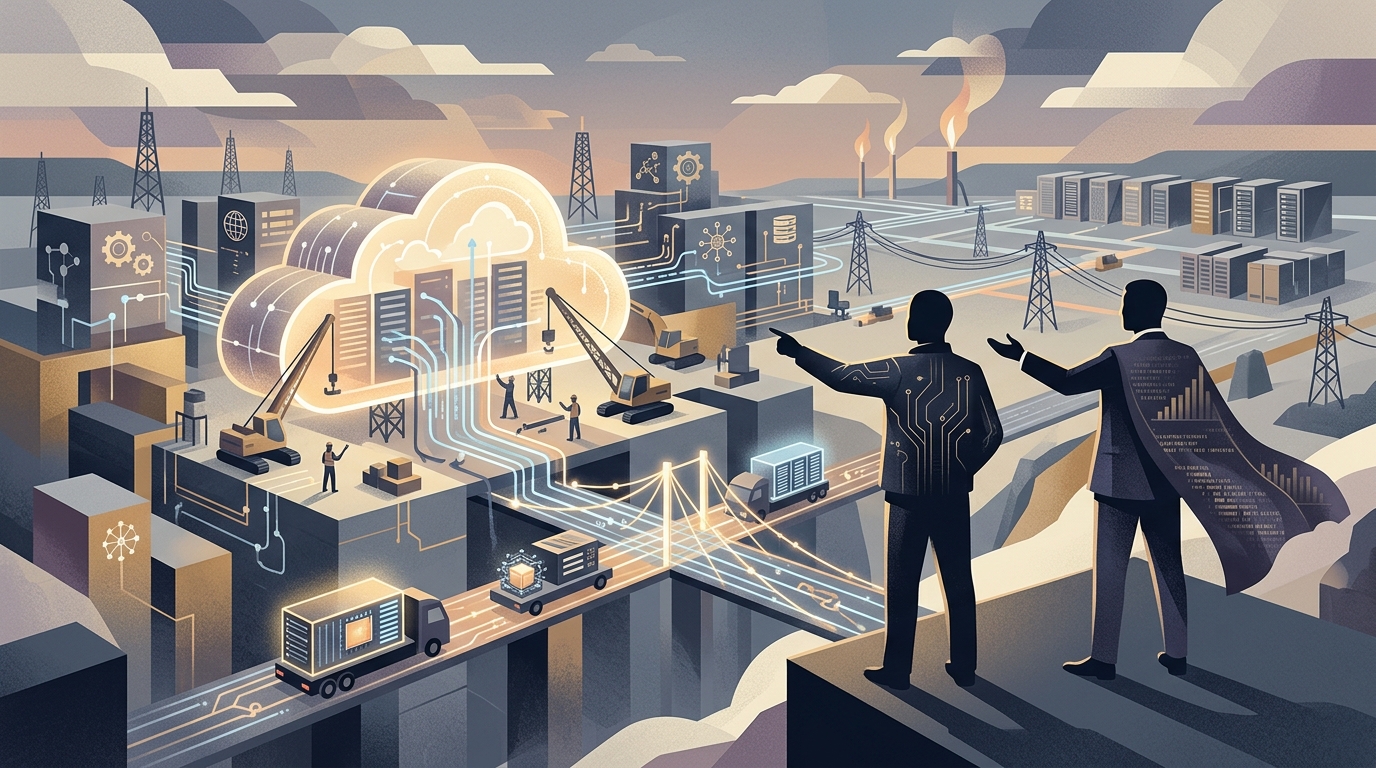
The new entity will focus on providing specialized cloud services, directly competing with rising players like CoreWeave Inc. and Lambda Labs, which gained ground by offering fast access to Nvidia GPUs when traditional providers (AWS, Azure, GCP) faced backlogs. With Blackstone's backing, Google gains access to prime real estate, building permits, and, most importantly, access to power grids—which have become the single greatest bottleneck in AI development.
The Battle for Power and Chips
In 2026, the AI issue is no longer just about algorithms; it is about electricity. The data centers required to train next-generation models consume energy equivalent to small cities. Blackstone brings to the table its expertise in utilities and renewable energy, allowing Google to scale at speeds that would be impossible if operating solo. The partnership envisions the construction of massive data center complexes in strategic locations across the US, Europe, and Asia, equipped with Google's latest TPU (Tensor Processing Units) and Nvidia's newest GPUs.
Analysts note that this move is a response to Microsoft, which through its partnership with OpenAI and BlackRock (Project Stargate), has set an incredibly high bar for investment. Google seeks to create an ecosystem where customers don't just buy "space" in the cloud, but a complete technology stack: from server cooling to advanced software development tools.
Geopolitical and Economic Implications
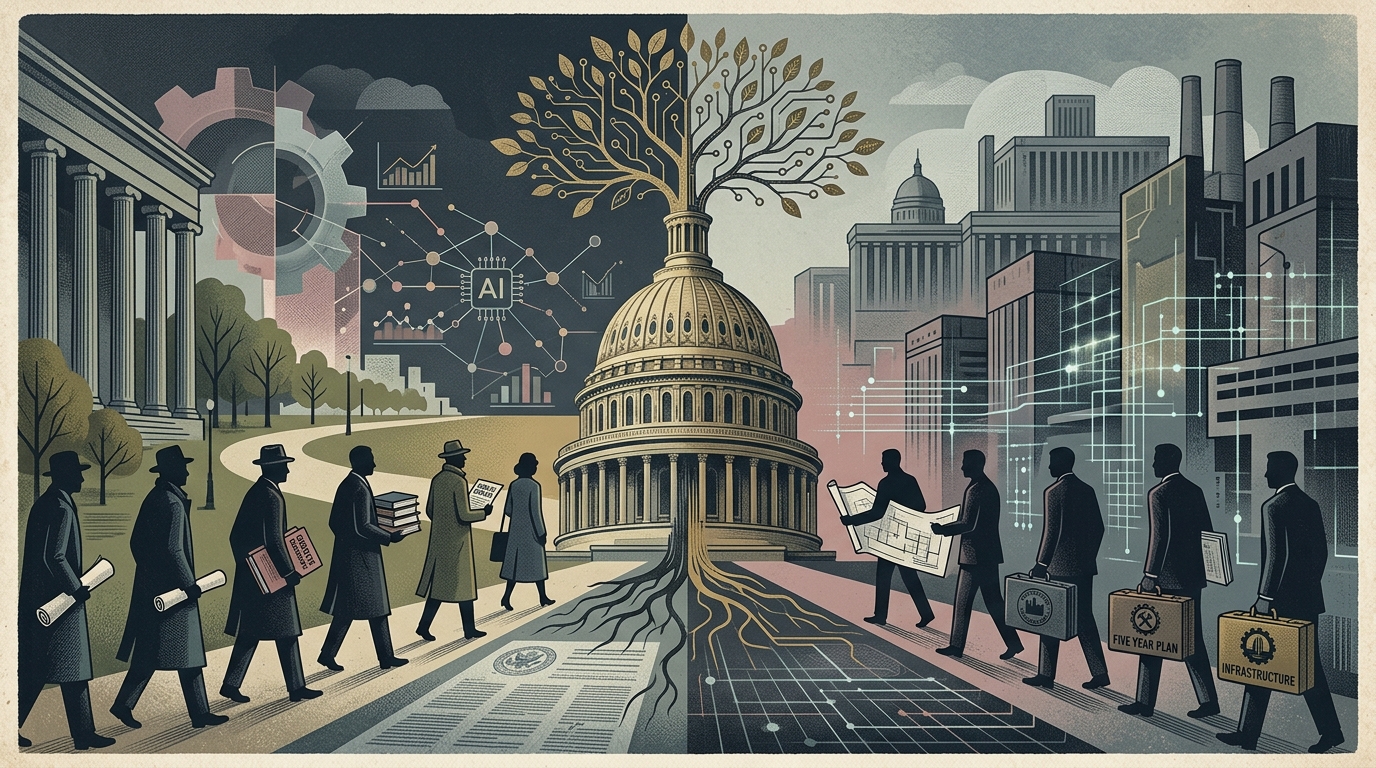
The creation of this venture comes at a time when governments worldwide, including the European Union, are debating "digital sovereignty." The concentration of such immense computing power in the hands of a consortium between a tech giant and an investment colossus raises questions about competition. However, for the market, the news was received with enthusiasm, as it signals AI's transition from a phase of experimentation to a phase of heavy industrial production.
- Capital Efficiency: Google reduces direct capital expenditure risk.
- Speed of Execution: Blackstone can deliver data centers in record time.
- Specialization: A focus exclusively on AI workloads, rather than general-purpose cloud.
In conclusion, the Google-Blackstone alliance is the ultimate example of the "infrastructuralization" of technology. In the world of 2026, power belongs not only to those who write the code but also to those who control the concrete, the copper, and the electricity that power it.