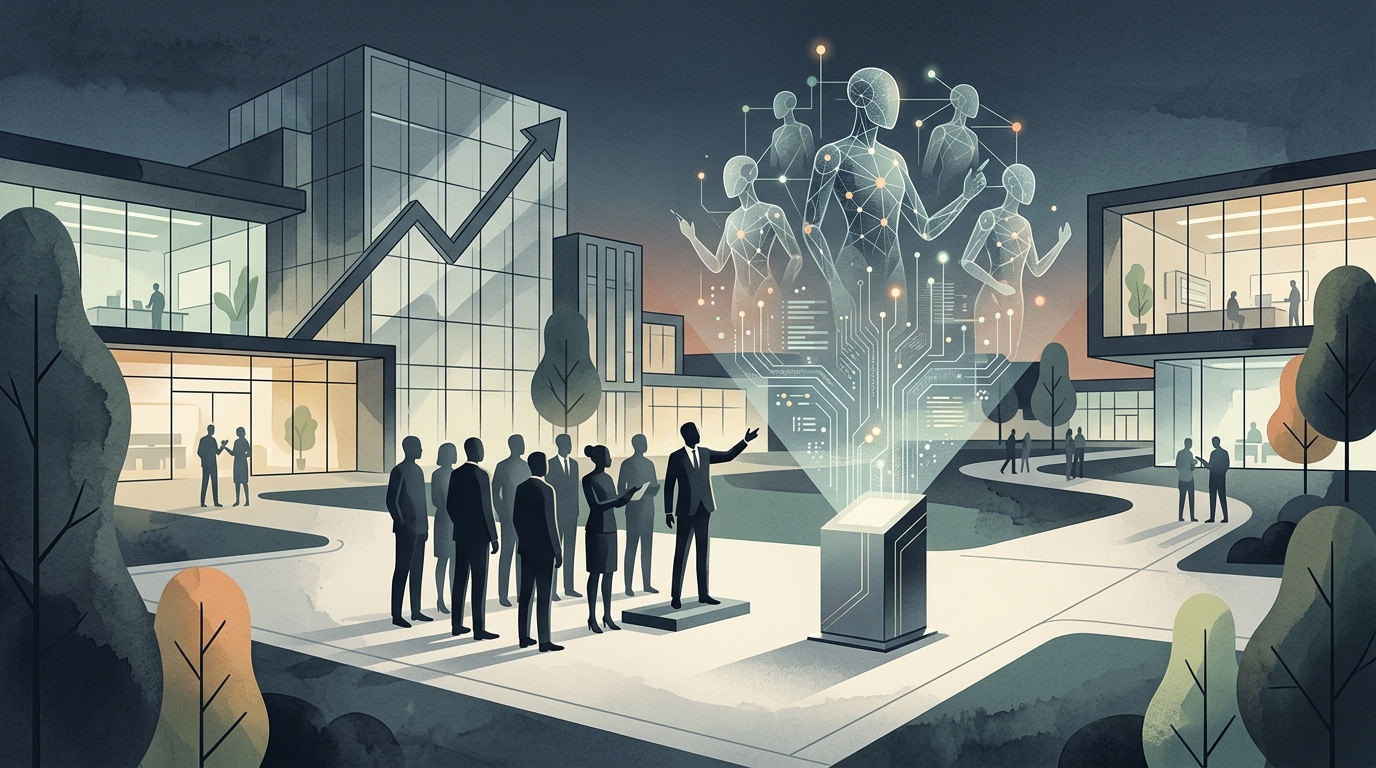
In a move that fundamentally redraws the map of global advertising and data technology, Publicis Groupe has announced the acquisition of LiveRamp for $2 billion. This transaction is far more than just another corporate merger in the ad-tech space; it signals a definitive shift from traditional digital advertising to the era of "Agentic AI." By integrating LiveRamp's industry-leading identity resolution technology, Publicis aims to build an ecosystem where artificial intelligence doesn't just suggest strategies but executes complex marketing tasks with minimal human intervention.
The Identity Strategy in a Post-Cookie World
For years, the digital advertising industry relied on third-party cookies to track consumer behavior across the web. With the demise of cookies and the tightening of global privacy regulations like GDPR and CCPA, advertising giants faced a massive data void. LiveRamp emerged as the primary solution to this problem. As a leading identity resolution platform, it allows companies to connect fragmented data points from disparate sources into a single, anonymized consumer profile.
Publicis, which has already invested billions into data powerhouses like Epsilon and digital transformation firm Sapient, is now adding the final piece of the puzzle. LiveRamp provides the "connective tissue" that allows CoreAI—the group's central AI platform—to understand in real-time who a consumer is, what they need, and how they should be reached. This capability is critical for training AI models that don't rely on generic assumptions but on precise, first-party data. In the 2026 landscape, data is no longer just an asset; it is the fuel for autonomous decision-making.
From Generative AI to Agentic AI
While 2024 and 2025 were dominated by Generative AI—focused on creating text, images, and video—2026 is emerging as the year of AI Agents. These agents are sophisticated software entities capable of setting goals, planning multi-step processes, and interacting with other systems to achieve a specific outcome. Within the Publicis framework, a "smart agent" could theoretically manage an entire campaign end-to-end: from real-time media buying across various platforms to dynamically adjusting creative content based on user engagement metrics.
The LiveRamp acquisition gives these agents the necessary "vision." Without accurate identity data, an AI agent is effectively blind, unable to distinguish between a new prospect and a loyal customer. With LiveRamp, the agent can recognize that a user who saw a connected TV ad is the same person who later searched for the product on their mobile device and eventually made a purchase in-store. This holistic view enables the AI to optimize spending with a level of precision that was previously impossible, significantly reducing waste and maximizing Return on Investment (ROI) for Publicis' global clientele.
Competition and the Future of the Agency Model
This $2 billion bet puts competitors like WPP and Omnicom on high alert. Publicis is no longer positioning itself as a traditional advertising holding company but as a technology and data firm. The investment reflects a conviction that the future of the industry lies not in human-led creative workshops, but in data-driven creativity executed by algorithms. The agency of the future is essentially a software layer sitting between a brand and its customers.
However, the concentration of such immense data power raises significant concerns. Publicis’ ability to track and influence consumers across every stage of their digital journey could draw intense scrutiny from antitrust and privacy regulators. Furthermore, there is the risk of creating a new type of "walled garden," where only those within the Publicis ecosystem can compete effectively. The challenge for CEO Arthur Sadoun will be to balance this technological dominance with ethical data stewardship, especially as consumers become increasingly wary of how their personal information is weaponized for persuasion.
Conclusion
The acquisition of LiveRamp is the culmination of a decade-long transformation for Publicis Groupe. By turning data into autonomous action through AI agents, the group is attempting to make itself indispensable in a future where advertising is invisible, automated, and hyper-personalized. The question remains: are clients and regulators ready for a world where marketing decisions are made by machines that know us better than we know ourselves?