On the sun-drenched Croisette, where the tradition of auteur cinema is guarded like a sacred relic, a new, invisible force has begun to shake the foundations of the Cannes Film Festival. Artificial Intelligence (AI) is no longer a science fiction scenario projected onto the silver screen; it is an active player claiming its place in the creative process, sparking intense debates between defenders of the "human soul" and visionaries of technological progress.
The Democratization of Creation vs. the Loss of Craft
For many independent creators, AI represents a once-in-a-generation opportunity. Tools like OpenAI’s Sora or Runway’s platforms allow directors with limited resources to visualize worlds that previously required budgets of hundreds of millions of dollars. The ability to create complex visual effects, digitally restore old films, or even use AI to enhance editing is seen by many as the "democratization" of cinema.
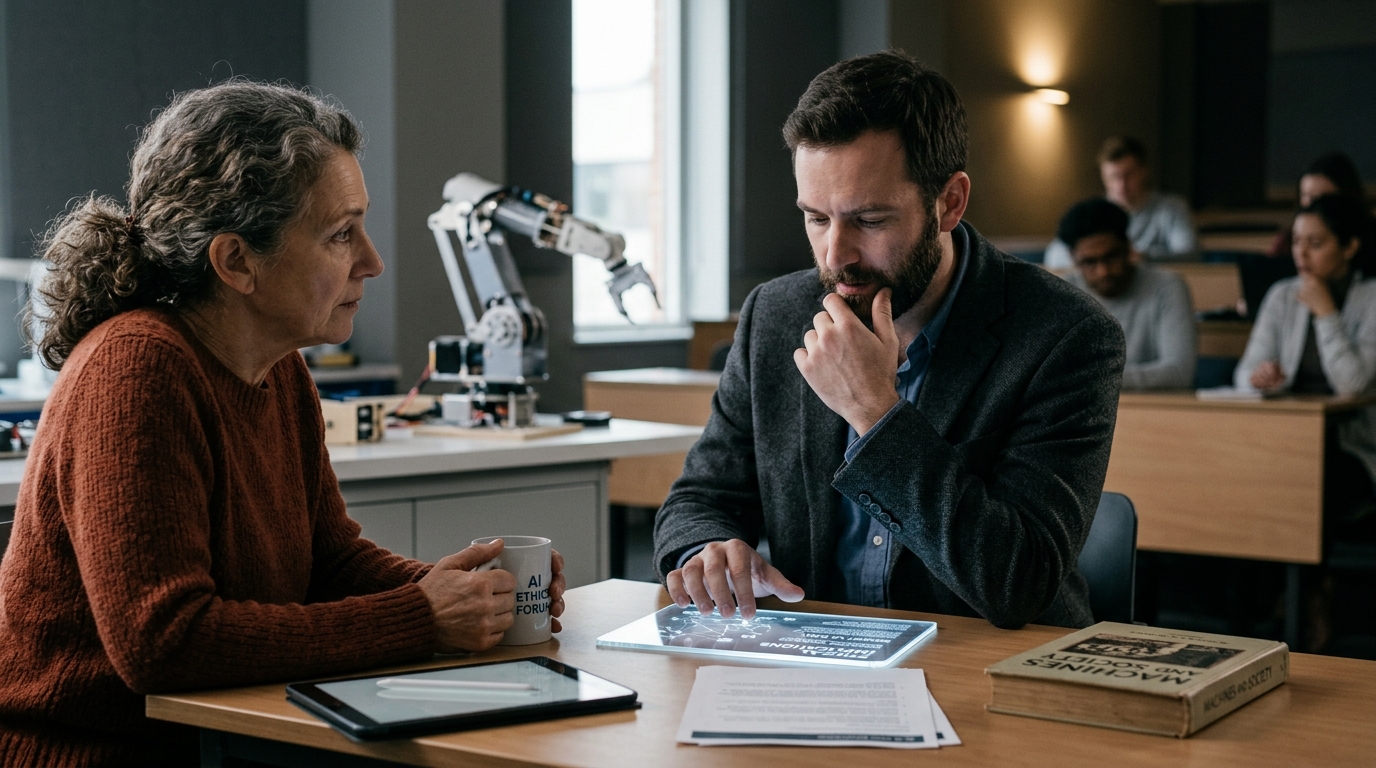
However, this optimism hits a wall of skepticism. In Cannes, the discussions in panels and producer circles focus on the loss of craft. When a machine can produce a perfectly lit scene in seconds, what remains of the cinematographer's instinct? Art, traditionalists argue, is the result of human error, emotion, and lived experience—elements that an algorithm, no matter how sophisticated, cannot authentically simulate.
The Ethical and Legal Labyrinth: Who Owns the 'Ghost'?
The issue of intellectual property is the most pressing topic at this year's festival. The use of AI to create deepfakes or the "digital resurrection" of deceased actors raises serious ethical questions. The industry has yet to agree on a common framework for who owns the rights to an image generated from the data of thousands of other artists without their consent. The recent writers' and actors' strikes in Hollywood were just the beginning of a long legal battle that is now moving to European soil.
- Protection of human likeness from unauthorized AI usage.
- The need for clear labeling of AI-generated content.
- Fair compensation for artists whose work was used to train models.
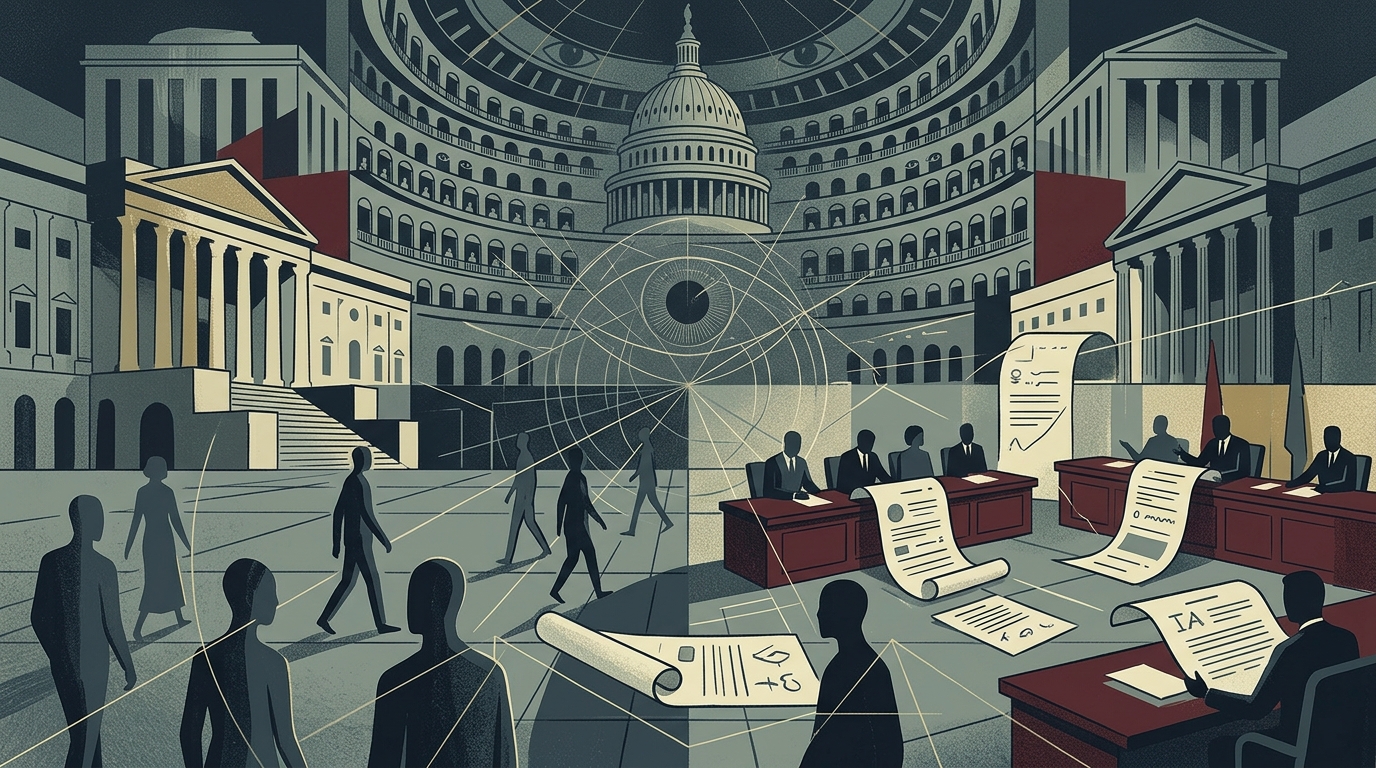
In this context, the European Union, with its AI Act, is attempting to set rules, but the pace of technological evolution often outstrips the bureaucracy of Brussels. Cannes, as a cultural barometer, is called to take a stand: will it allow films created entirely by AI to compete for the Palme d'Or?
The French Exception and Cultural Heritage
France, with its strong tradition of "cultural exception" (exception culturelle), approaches AI with a mix of awe and protectionism. The government and local film bodies worry that the dominance of American tech giants in the AI sector could lead to cultural homogenization, where algorithms favor "safe" and commercial scripts at the expense of risky, artistic cinema.
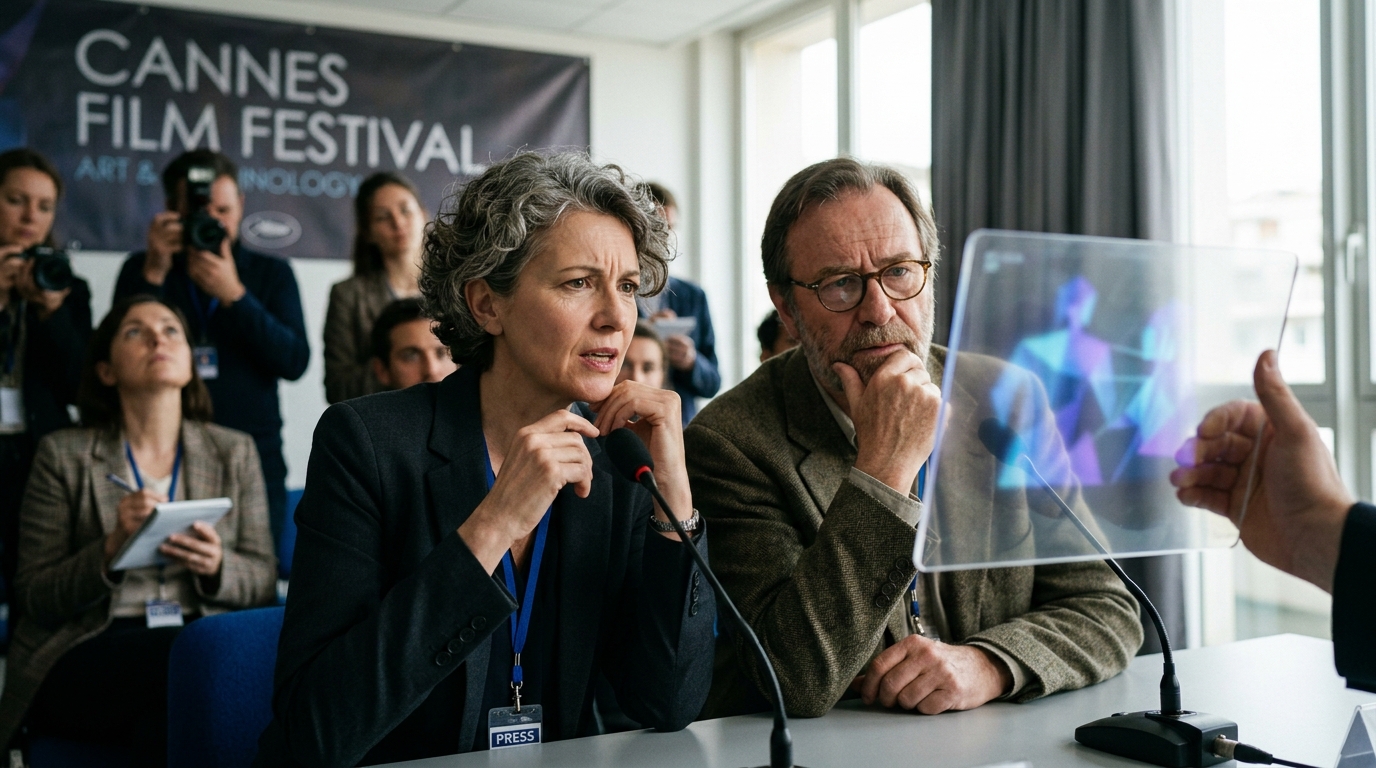
"Cinema is the recording of the human condition. If we remove the human from the equation, it ceases to be art and becomes merely 'content'," a veteran French director remarked during a press conference.
Nevertheless, AI also offers tools for the preservation of cultural heritage. The digital restoration of classic films that had decayed over time is now done with a precision that was unthinkable a decade ago. This dual nature of technology—as a threat to the future and a lifeline for the past—is what makes the dialogue in Cannes so complex and critical.
Conclusion: A New Era of Coexistence?
The conclusion emerging from Cannes this year is not the rejection of AI, but the need for a redefinition of the creator's role. AI can be an excellent assistant, a "digital brush," but the artistic intent must remain human. The challenge for the Festival and the international film community is to integrate these tools without sacrificing the authenticity that makes cinema one of the most powerful forms of human expression. The battle for the soul of the big screen has only just begun.