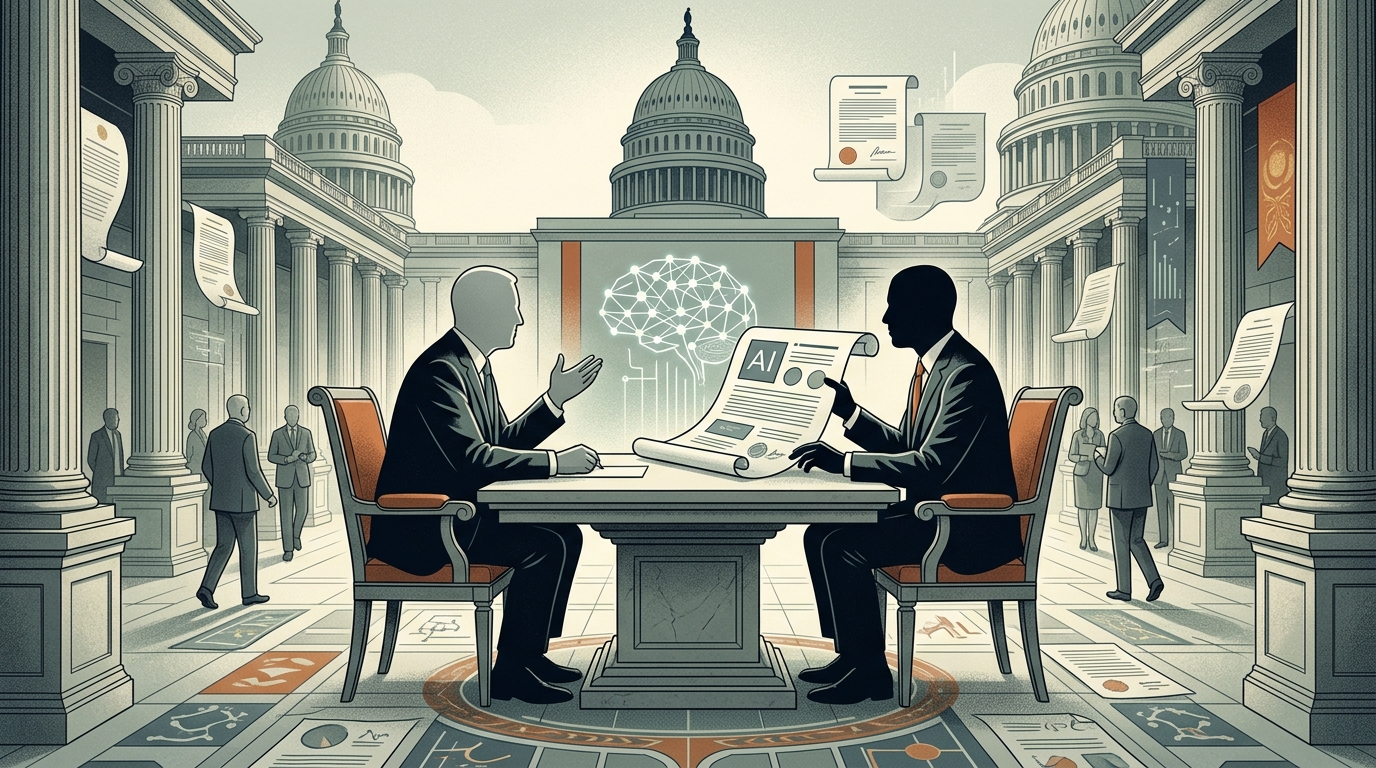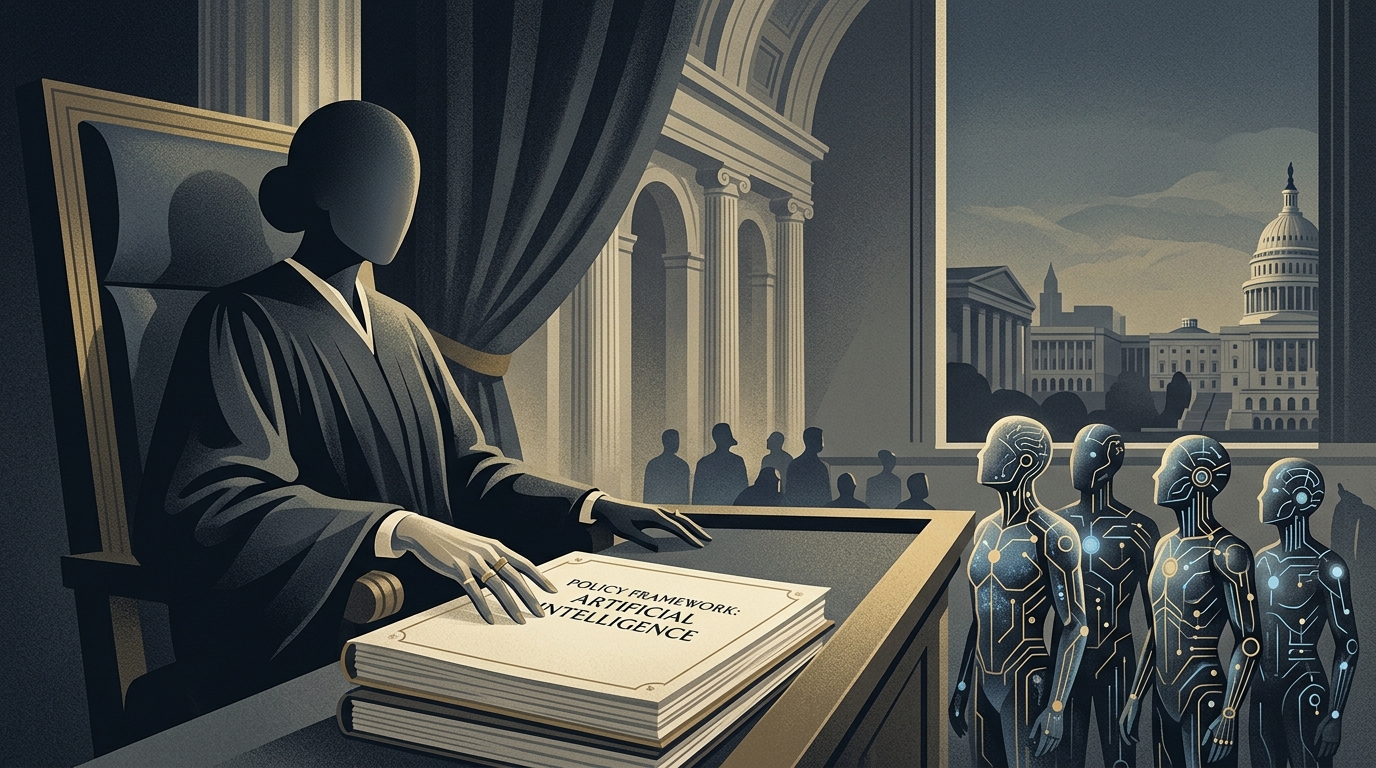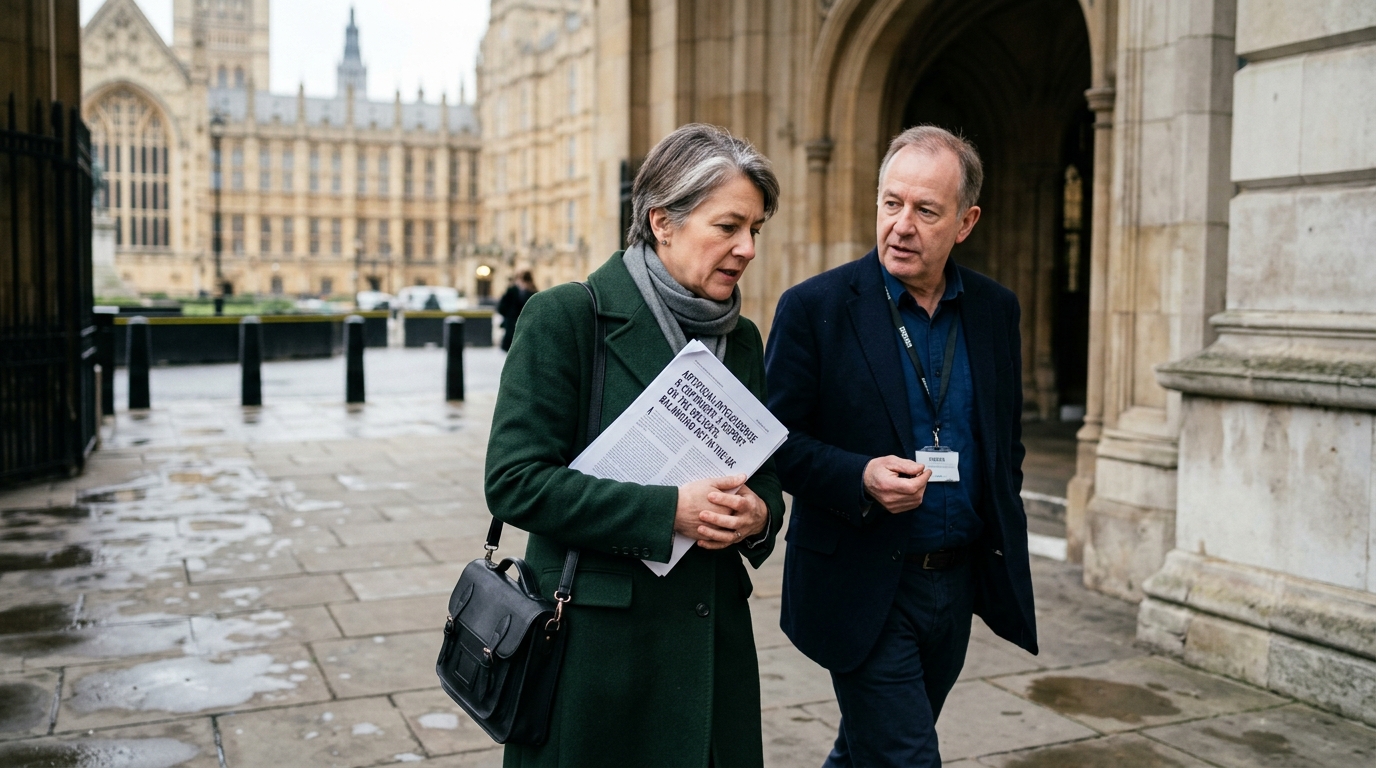
In the corridors of Westminster and the sleek offices of London’s tech hubs, a battle is unfolding that will define the future of intellectual property in the 21st century. The United Kingdom, a nation with a storied history of pioneering legal protection for creators, finds itself at a critical juncture. On one side, the ambition to become an "AI superpower" necessitates access to vast swaths of data. On the other, the country’s world-class creative industries—spanning music, film, and publishing—demand protection from the unauthorized use of their work to train sophisticated algorithms.
The Retreat from the Global TDM Exception
The saga of British copyright policy in the AI era is one of strategic recalibration. In 2022, the government proposed a broad exception for Text and Data Mining (TDM), which would have allowed anyone to use copyrighted content to train AI models without the permission of rights holders, provided the access was lawful. The backlash from the creative community was swift and uncompromising. Artists, publishers, and news agencies warned that such a move would hollow out the economic value of British creativity.
By early 2024, the government was forced to retreat. An attempt by the Intellectual Property Office (IPO) to broker a voluntary "Code of Practice" between tech firms and rights holders ended in a stalemate. The two sides could not agree even on the fundamental principles of compensation and transparency. This failure has left a legal vacuum, which is now being filled by the courts and the new legislative initiatives of the Labour government.
The 1988 Framework and the Generative AI Challenge
The UK possesses one of the most distinctive legal frameworks in the world, thanks to the Copyright, Designs and Patents Act 1988 (CDPA). Section 9(3) of this act provides protection for "computer-generated works" even where there is no direct human author, designating the creator as the person who made the arrangements necessary for the work's creation. This provision, considered visionary in the 1980s, is now a source of significant debate.
The rise of Generative AI complicates the issue of authorship. If a model produces an image or a text, who is the "author"? Is it the developer of the model, the user who provided the prompt, or the corporation itself? While British law seems to favor the protection of generated works, the question of "originality" remains unresolved. Courts must decide whether simply entering a prompt constitutes enough of an "intellectual effort" to warrant copyright protection, or if the threshold should be higher.
Judicial Landmarks: Getty Images v. Stability AI
In the absence of clear legislation, all eyes are on the judiciary. The case of Getty Images v. Stability AI in the High Court of London is considered a watershed moment. Getty accuses the AI firm of massive copyright infringement, alleging that millions of its photos were used to train the Stable Diffusion model without a license. The ruling in this case will set the precedent for whether AI training falls under existing exceptions for "temporary copying" or if it constitutes a new form of commercial exploitation that requires explicit licensing.
- The urgent need for transparency regarding training datasets.
- The distinction between non-commercial research and commercial AI development.
- International alignment with the European Union's AI Act.
The new government under Keir Starmer appears to be moving toward a more regulatory stance, recognizing that AI "safety" and "fairness" are not just about existential risks but also about the equitable distribution of economic value. The challenge for London is to avoid falling behind the EU, which is already imposing strict transparency rules, while not stifling the innovation that makes the UK an attractive destination for Big Tech investment.
Conclusion: Toward a Licensing Model?
The direction of travel for the UK seems to be the promotion of commercial licensing agreements. Rather than sweeping legislative exceptions, the market is being encouraged to find solutions through technology and contracts. Already, major publishing groups are striking deals with OpenAI and Google, pointing toward a possible future. However, for smaller creators, the need for collective management and robust legislative backing remains paramount. The ultimate test is whether the UK can remain the world's "cultural capital" while simultaneously hosting the planet's most intelligent machines.