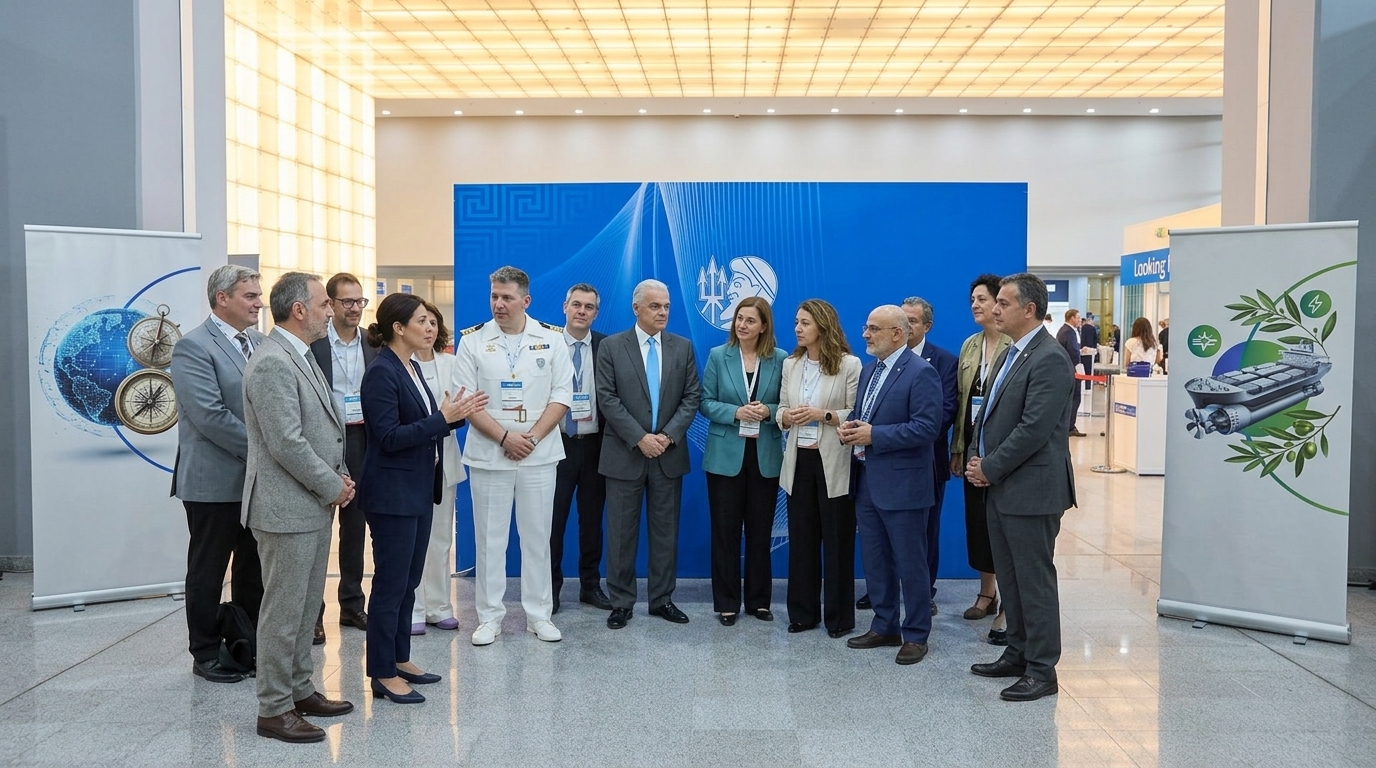
It is mid-2026, and the Greek economy no longer resembles the "sick man of Europe" of the previous decade. According to the latest report from the EWC Investments Think Tank, Greece is traversing a period characterized as the "Great Return," with forecasts for 2026–2030 pointing to a profound structural shift that transcends mere cyclical recovery. The country has solidified its position within the investment grade tier, achieving primary surpluses combined, for the first time, with high growth rates and record Foreign Direct Investment (FDI).
The Transition from Consumption to Investment
The traditional model of the Greek economy, based on domestic consumption and low-value-added services, is giving way to an outward-looking paradigm. The EWC report highlights that the share of investment in GDP is expected to approach the European average (22%) by 2028, up from a low of 11% during the crisis years. This shift is fueled by the completion of projects under the Recovery and Resilience Facility (RRF), which acted as a catalyst for infrastructure modernization.
"Greece is not just recovering; it is redesigning its productive fabric. The challenge is no longer survival, but global competitiveness in cutting-edge sectors," the analysis states.
Particular emphasis is placed on industry and goods exports, which in 2026 represent 45% of GDP, compared to just 24% in 2010. The growth of sectors such as pharmaceuticals, energy technologies, and high-tech agrifood demonstrates that the country is acquiring "deep" economic foundations.
Digital Transformation and State 2.0
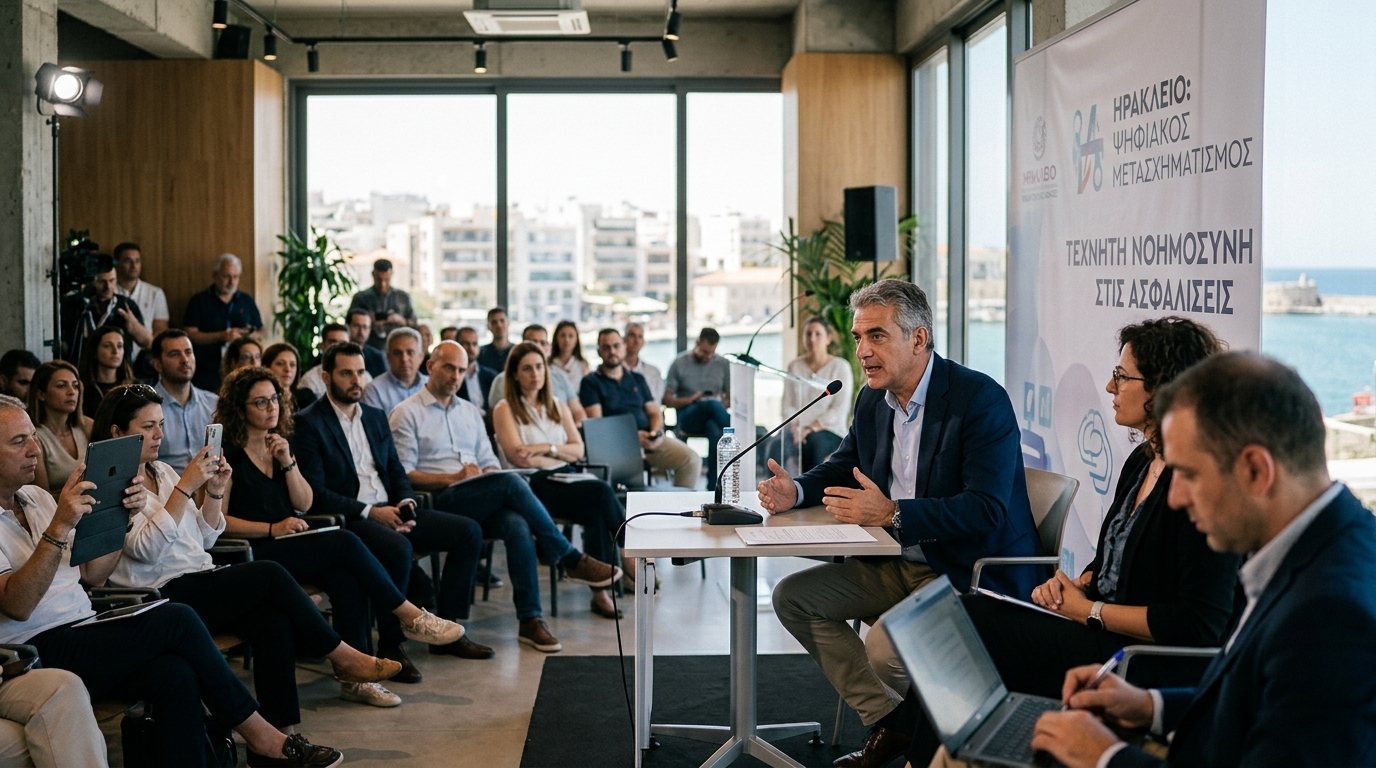
The digital transformation of the public sector, which began in the previous five-year period, is now reaching full maturity. The use of Artificial Intelligence in public administration and the judiciary has reduced processing times by 40%, a fact that represents perhaps the most significant "non-monetary" incentive for foreign investors. Greece in 2026 is now considered a regional Data Hub, with investments from tech giants in data centers bearing fruit and creating thousands of high-skill jobs.
- Full digitalization of the land registry and urban planning files.
- Integration of AI tools to combat tax evasion.
- Linking universities with production through spin-offs.
The Challenge of Demographics and Social Cohesion
Despite the triumphant numbers, the 2026–2030 period is accompanied by serious challenges. The demographic problem remains the "invisible threat," as the shrinking workforce puts pressure on the social security system. The EWC report emphasizes that growth must be inclusive. Although wages have risen by 15% over the last two years, housing costs and inflation in basic goods continue to erode the disposable income of the middle class.
The bet for the government and the business community is converting Brain Drain into Brain Gain. A steady stream of returning young scientists is already being observed, attracted by competitive salaries in the tech sector and the quality of life. However, upskilling the existing workforce is a necessary condition to prevent the creation of a two-tier economy.
Green Energy: Greece as an Energy Hub
The strategic choice of the green transition is paying off significantly in the 2026–2030 five-year period. With the completion of major interconnections and the expansion of wind and solar farms, Greece is becoming a net exporter of energy to Central Europe. The development of "green hydrogen" and the decarbonization of the islands are the new flagship projects attracting capital from international institutional portfolios. The economy of the "Great Return" is not only digital but also deeply environmental, aligned with the goals of the European Green Deal.