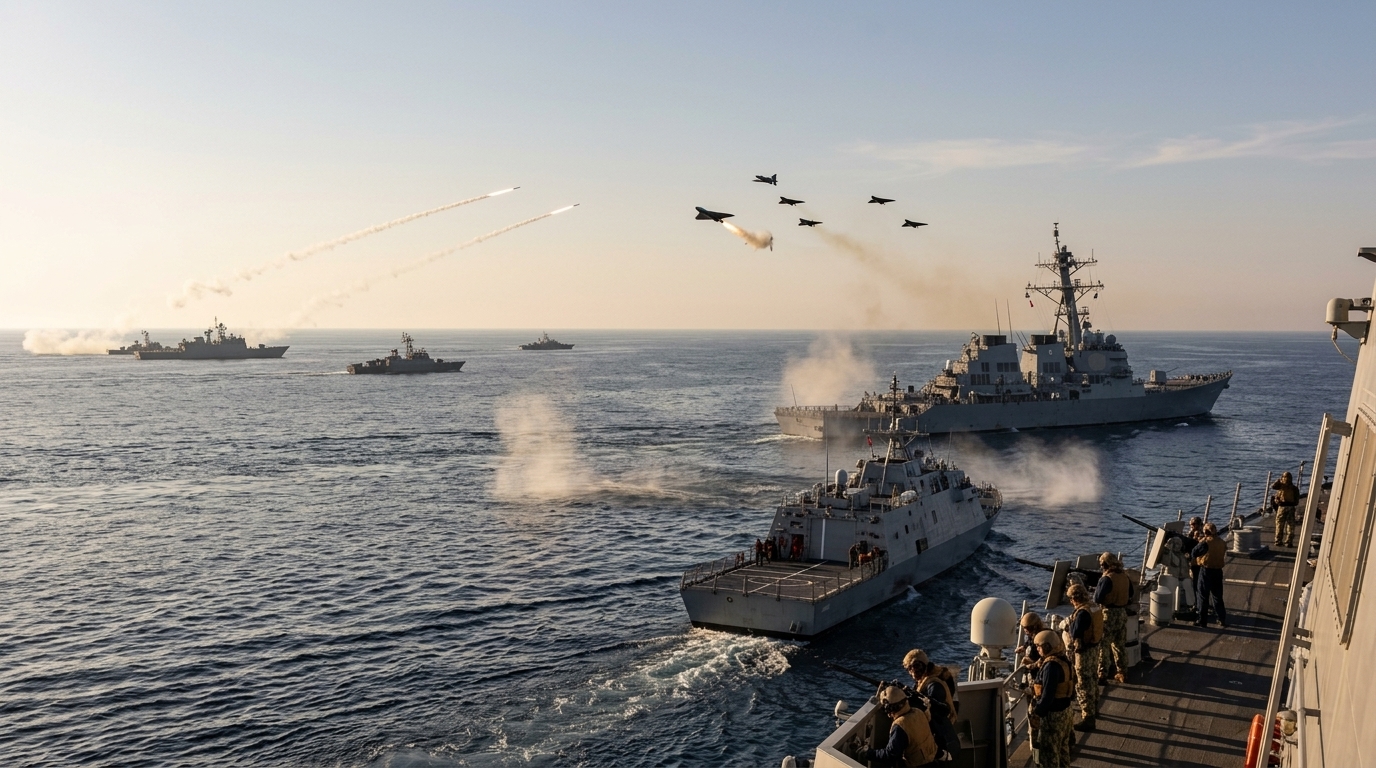
In a geopolitical landscape where the balance of power in Eastern Europe feels more fragile than ever, Volodymyr Zelensky’s urgent plea for enhanced air defenses is not merely a diplomatic appeal, but an existential necessity. His recent statement, characterizing US assistance in providing Patriot missile systems as "absolutely necessary," highlights a security vacuum that threatens to expose Ukrainian infrastructure to a new generation of sophisticated aerial threats.
The Strategic Value of Patriot Systems in 2026
The Patriot system is no longer just a Cold War relic that underwent modernization. Today, it serves as the central hub of network-centric warfare. Its ability to intercept ballistic missiles and kamikaze drones increasingly relies on the integration of advanced radar and battle management systems that utilize artificial intelligence for target prioritization. For Ukraine, possessing such systems means the difference between a functioning economy and a total blackout.
However, the challenge is not just the availability of launchers, but the continuous flow of interceptor missiles. Each Patriot interceptor costs millions of dollars, creating an economic paradox when tasked with shooting down drones worth only a few thousand. This asymmetry is what makes the US commitment so critical, as only the American defense industrial base possesses the scale of production required to sustain such a war of attrition.
Artificial Intelligence as a Force Multiplier in Air Defense
Modern air defense is no longer about "blindly" launching missiles. On the battlefield of 2026, AI plays a decisive role in analyzing radar signatures. Patriot systems, when linked to advanced surveillance networks, can distinguish between decoys and real threats in fractions of a second. This "edge intelligence" reduces ammunition waste, which is vital for Kyiv’s limited stockpiles.
- Automated target recognition through deep learning algorithms.
- Predictive analysis of flight trajectories to optimize interception timing.
- Integration with real-time satellite data for early warning systems.
Zelensky is well aware that without Washington’s continued support, Ukraine stands to lose not only the hardware of its defense but also access to the technological edge provided by American data management systems. The Russian side has also invested heavily in drone swarms designed to saturate and overwhelm air defenses, making the need for "smart" Patriot systems more pressing than ever.
Political Risk and the Western Alliance
The Ukrainian president’s appeal comes at a time when the US Congress is facing domestic pressure regarding the scale of military aid. The rhetoric of "absolutely necessary" is aimed directly at the American public and decision-makers, serving as a reminder that Ukraine’s air defense is the first line of defense for Europe itself. If the skies over Kyiv and Kharkiv remain unprotected, the message to other revisionist powers globally would be catastrophic.
"We are not asking others to fight in our place; we are asking for the tools that will allow us to protect our homes," Zelensky has repeatedly stated.
The geopolitical dimension of this aid extends far beyond Ukraine's borders. It concerns the credibility of Western deterrence. Using Patriot systems as a shield is a test of whether technological superiority can overcome quantitative mass in a protracted conflict. The integration of AI systems that allow fewer Patriot units to cover larger areas is the only viable solution in a resource-constrained environment.
Conclusions and Future Prospects
As we move into the second half of 2026, the battle for the skies will be decided by the speed of the supply chain and the intelligence of the software controlling the weapon systems. Ukraine is not just looking for steel and explosives; it is seeking the protection offered by top-tier Western technology. The US response to this request will define not only the outcome of the conflict on the ground but also the future of the global security architecture in the age of AI.