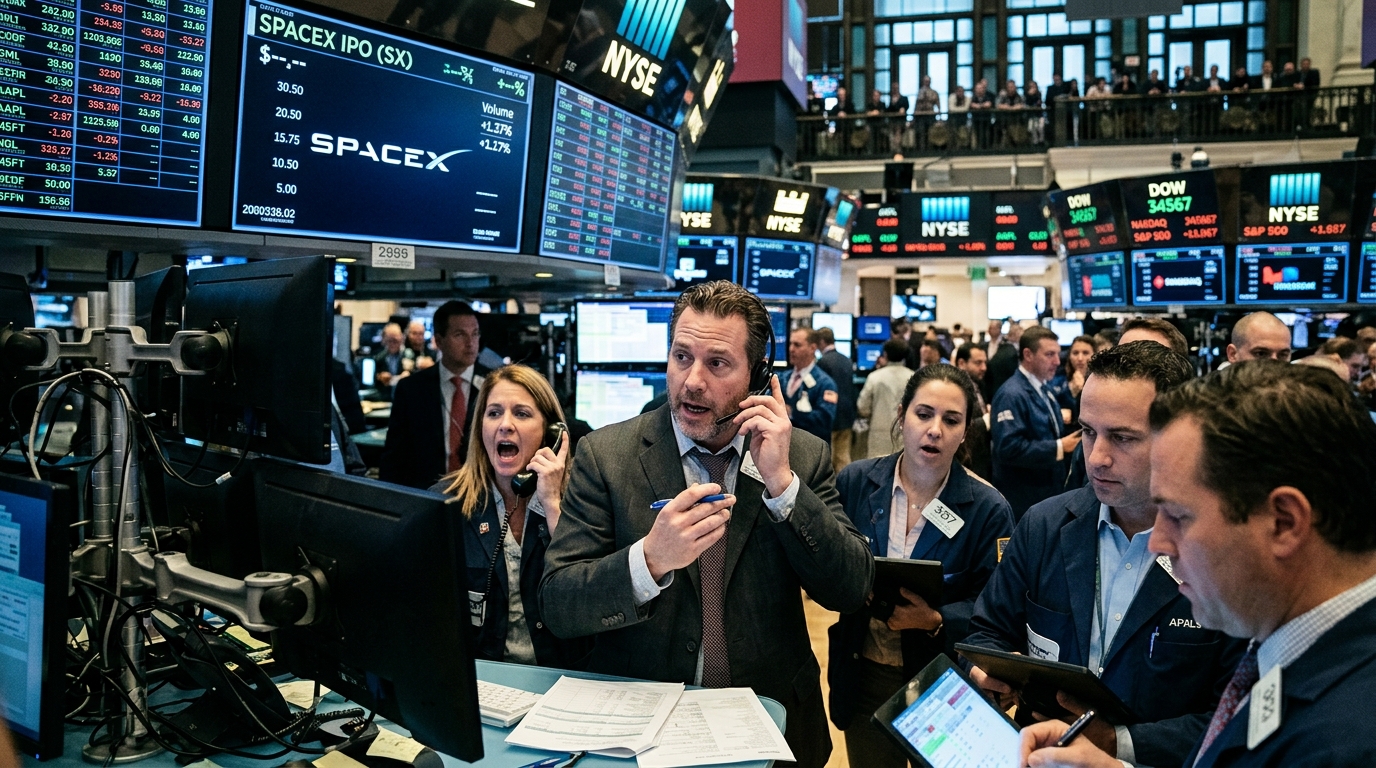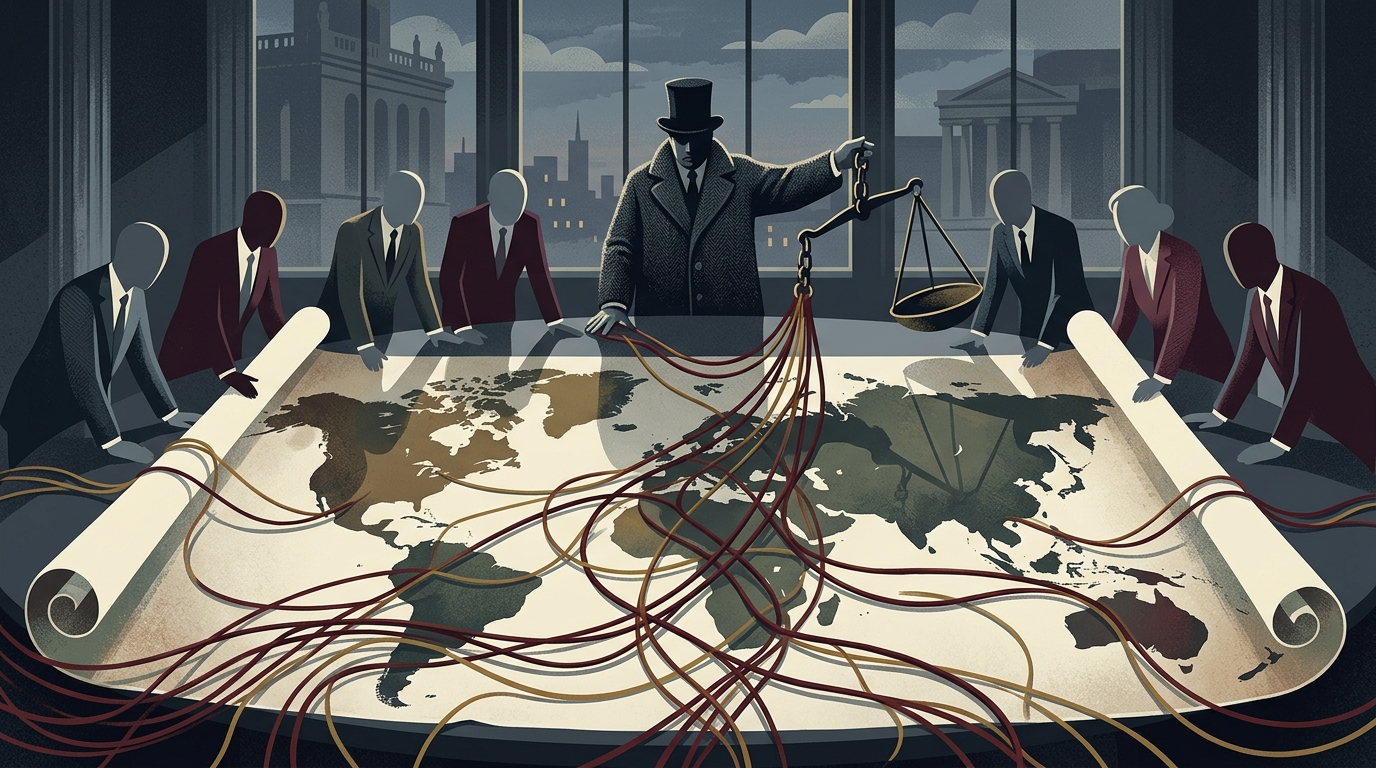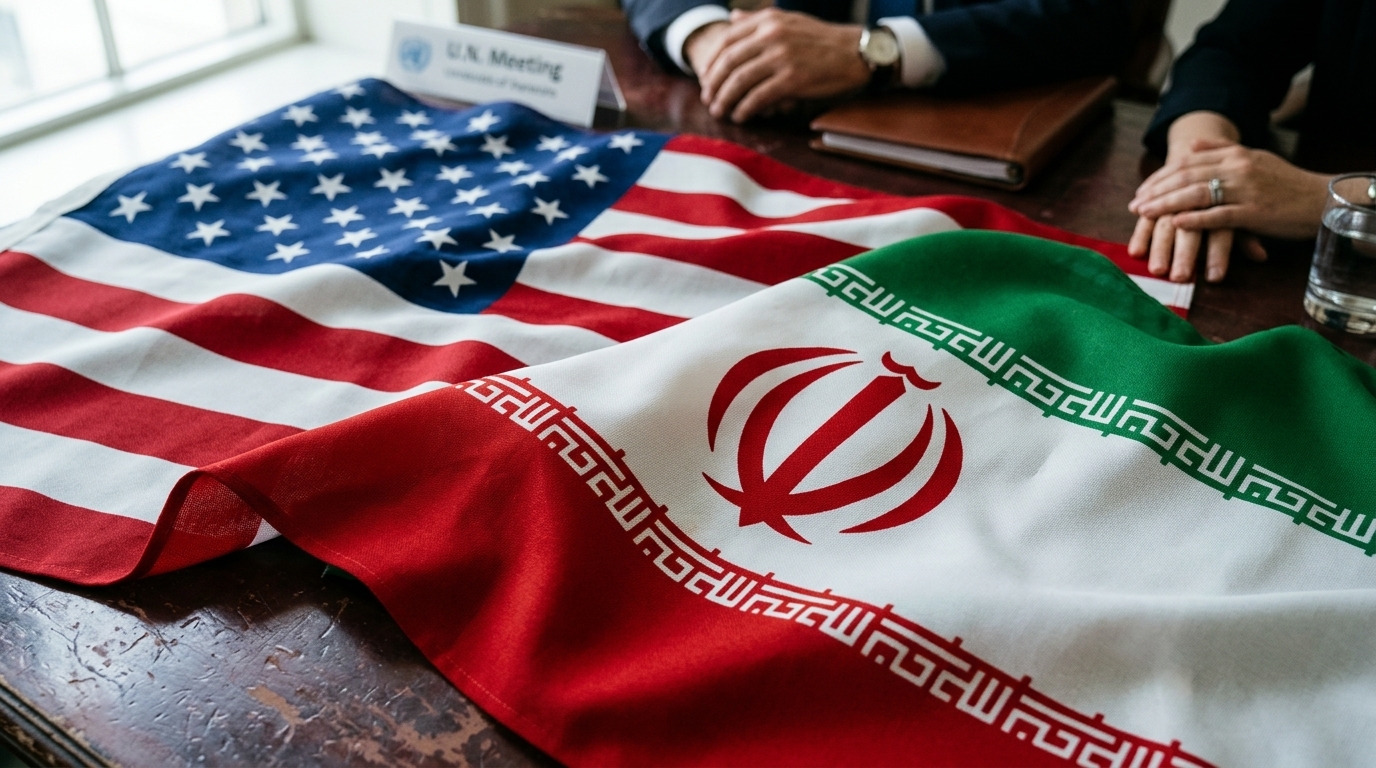
President Donald Trump’s recent assertion that the United States and Iran are nearing a "major deal" has sent shockwaves through diplomatic corridors from Washington to Beijing. In a region historically defined by the "shifting sands" of volatile alliances and deep-seated animosities, the prospect of a rapprochement between these two arch-foes appears as the ultimate geopolitical paradox. Trump’s statement, which specifically mentions securing free navigation through the Strait of Hormuz, is not merely a bilateral matter but a maneuver capable of entirely redrawing the global energy and security map.
The Strategic Weight of the Strait of Hormuz
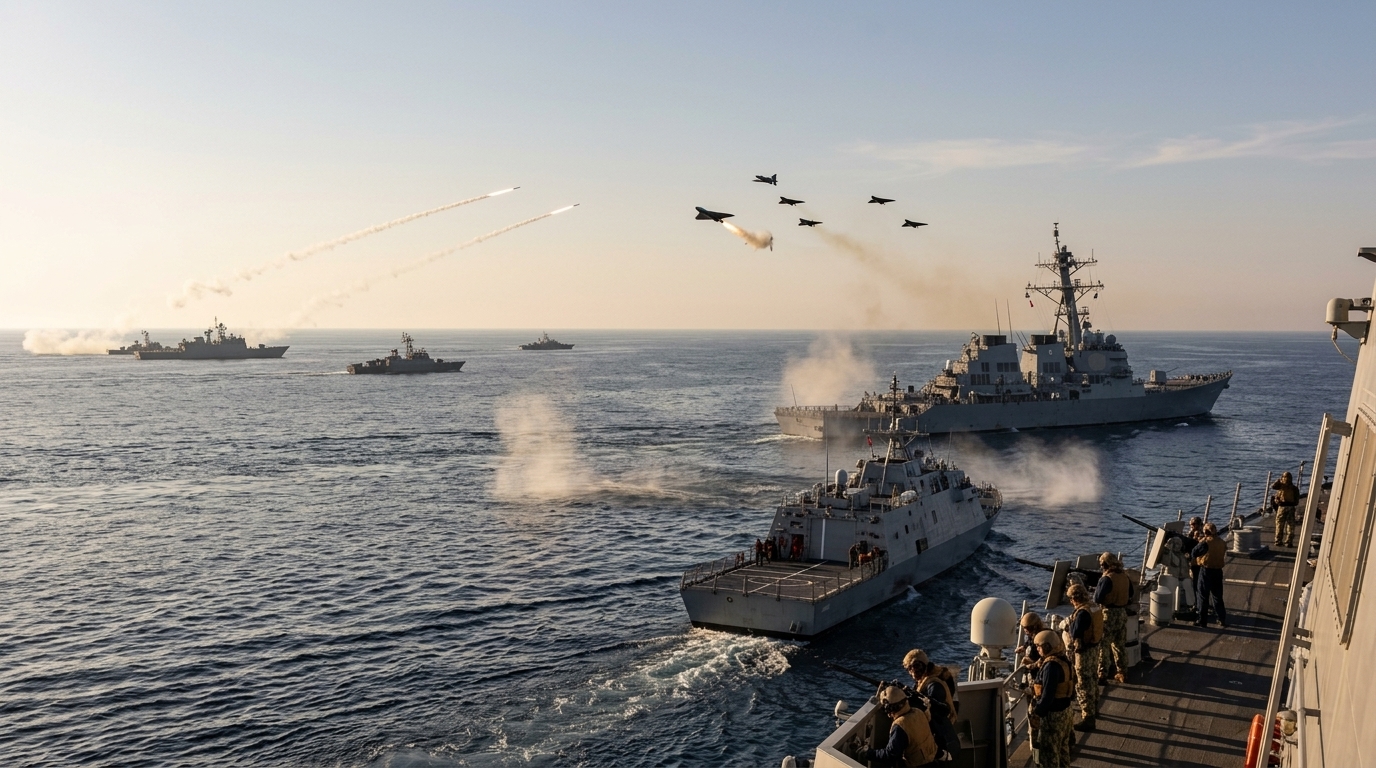
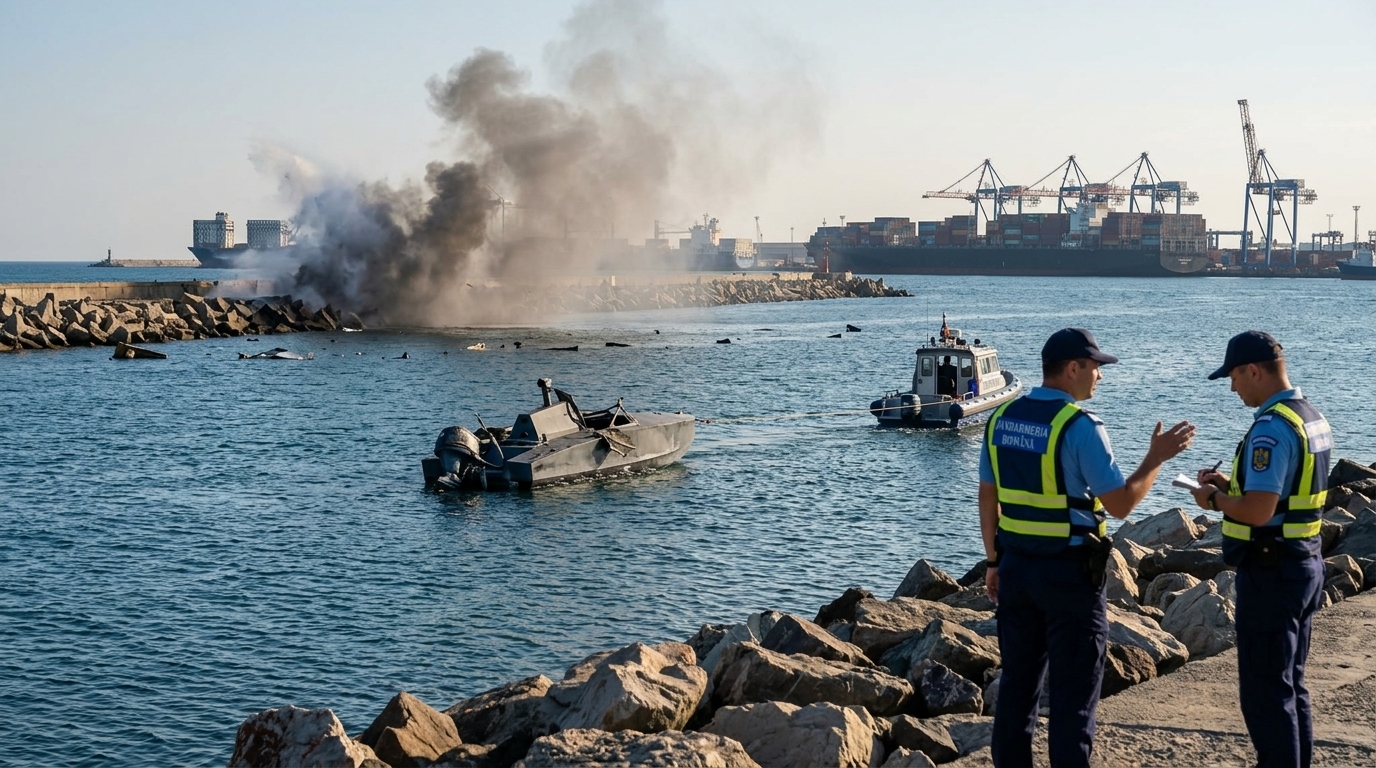
The Strait of Hormuz is the most critical artery of the global energy system. Approximately 20% of the world's oil consumption passes through this narrow waterway, making it Tehran's ultimate leverage against the international community. A commitment to "opening" the Strait implies a mutual concession: Iran ceases to threaten the flow of "black gold," while the U.S. likely offers a significant easing of the economic sanctions that have crippled the Iranian economy over the past decade.
For the Trump administration, this potential agreement is the epitome of the "Art of the Deal" strategy. After years of "maximum pressure," the American President seems to be seeking a spectacular outcome that would allow him to be portrayed as the peacemaker who succeeded where his predecessors failed. However, analysts remain skeptical. Iran is not a monolithic actor. The internal power struggle between reformers under President Pezeshkian and hardliners within the Revolutionary Guard (IRGC) means that any agreement signed on paper must survive the crucible of internal Iranian politics.
The Nuclear Equation and Regional Reactions
The primary question remains Tehran's nuclear program. A deal limited only to navigation and trade, without addressing uranium enrichment, will be viewed as incomplete and dangerous by U.S. allies in the region. Israel, under Benjamin Netanyahu, is watching these developments with profound concern. For Jerusalem, any economic lifeline thrown to Tehran translates into increased funding for Iranian proxies, such as Hezbollah and the Houthis.
- Saudi Arabia's Stance: Riyadh seeks stability to implement its "Vision 2030" but fears a U.S. pivot away from regional security guarantees.
- China's Role: As the largest buyer of Iranian oil, Beijing welcomes de-escalation, provided it does not lead to an over-extension of American influence in the Gulf.
- The European Union: Brussels hopes for a return to diplomacy that could revive elements of the 2015 JCPOA framework.
The complexity of these competing interests suggests that the "deal" might be more of a tactical maneuver than a strategic solution. If Trump manages to secure a lasting peace, he will have altered the course of history. However, if this is a temporary arrangement aimed at lowering domestic energy prices in the U.S., the shifting sands of the Middle East will likely swallow this effort just as they have many others before it.
The Day After: Challenges and Prospects
The success of such an agreement will be judged by the granular details of its verification mechanisms. Will Iran permit international inspections of sensitive military sites? Will the U.S. accept Iran as a legitimate regional power with its own sphere of influence? History teaches us that in the Middle East, power vacuums are invariably filled by conflict. A U.S.-Iran deal could be the beginning of the end for "forever wars," or it could simply be the prelude to an even more intense round of confrontation. The international community watches with bated breath, knowing that global economic stability hangs by a thread in the Strait of Hormuz.
"Diplomacy is the art of letting someone else have your way," Daniel Vare once said. In the case of Trump and Iran, it remains to be seen who is truly conducting the orchestra.