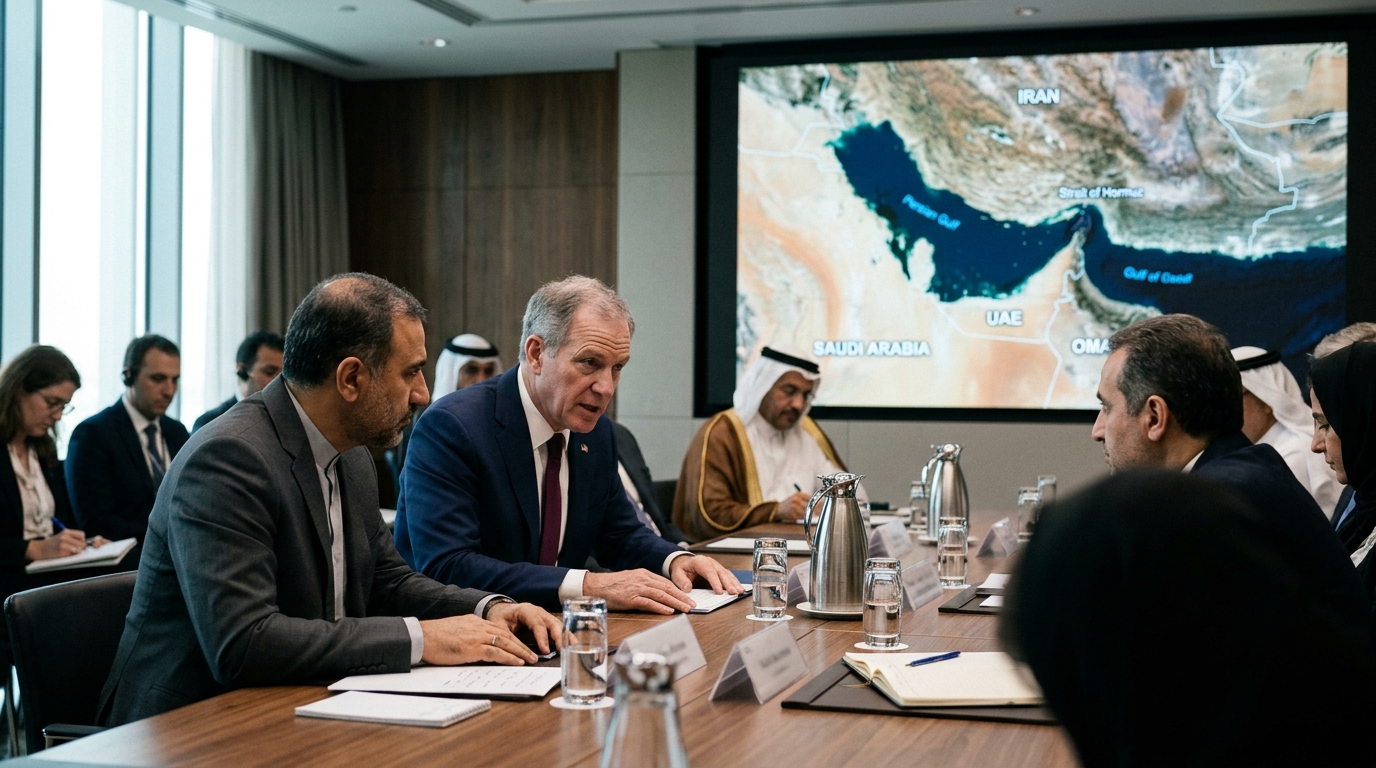
In the intricate geopolitical chessboard of the Middle East, the Strait of Hormuz has always been the ultimate pawn—and the ultimate threat. According to recent reports surfaced via Axios and echoed by international media outlets, a new proposed deal between the United States and Iran appears to center on the opening and security of this critical maritime passage. This news is not merely a diplomatic development; it represents a structural shift in how both nations manage their long-standing confrontation, moving the needle from nuclear brinkmanship toward economic and navigational stability.
The Strategic Weight of the Strait
The Strait of Hormuz is, without exaggeration, the jugular vein of the global economy. Through this narrow passage, which at its thinnest point is only 21 miles wide, flows approximately 20% of the world's daily oil consumption and a massive portion of liquefied natural gas (LNG). For Iran, control over the strait has always been its most potent leverage against Western sanctions. The mere threat of closing the strait could, within hours, spike crude oil prices to levels that would trigger a global economic recession.
The proposed deal, as described, seems to seek a pragmatic compromise: the easing of certain restrictions on Iranian oil exports in exchange for a formal commitment from Tehran to cease the harassment of international shipping and stop using the strait as a tool of geopolitical blackmail. This 'quid pro quo' reflects a new reality where energy security trumps ideological purity for both sides.
Washington's Calculus and Domestic Pressures
For the U.S. administration, stabilizing Hormuz is a priority for two primary reasons. First, it is essential for controlling domestic inflation, which is directly tied to global fuel prices. Second, it allows the U.S. to pivot military resources away from the Persian Gulf toward the Indo-Pacific to counter China. However, such a deal is not without its detractors. Hawks in Congress argue that any concession to Iran is a sign of weakness and effectively subsidizes Tehran’s regional proxies.
- The accord includes mechanisms for joint maritime monitoring.
- It envisions a reduction in IRGC Navy maneuvers in proximity to commercial vessels.
- The U.S. may facilitate the release of frozen Iranian assets in exchange for compliance.
Regional Reactions: From Riyadh to Tel Aviv
The reactions from neighboring states are nuanced. Saudi Arabia and the United Arab Emirates, who have initiated their own de-escalation tracks with Iran, view the potential deal as a necessary step toward regional stability. Conversely, Israel remains profoundly skeptical. The Israeli leadership fears that a deal focused on Hormuz serves as a 'smokescreen,' allowing Iran to advance its nuclear ambitions without the crushing weight of sanctions. This diplomatic balance is incredibly fragile, and any misstep could lead to a swift collapse of the negotiations.
"Maritime security is not just a technical issue; it is the foundation upon which trust is built in a region that has been deprived of it for decades," says a leading international relations analyst.
Conclusion and Future Outlook
If implemented, this agreement would mark the most significant diplomatic breakthrough between Washington and Tehran since the 2015 JCPOA. However, history teaches us that in the Middle East, agreements are only as strong as the parties' willingness to uphold them the day after a crisis erupts. Opening the Strait of Hormuz could indeed signal a new era, but the path to full normalization remains littered with mines—both metaphorical and literal. The world watches the waters of the Gulf, hoping for a calm that has been elusive for nearly half a century.