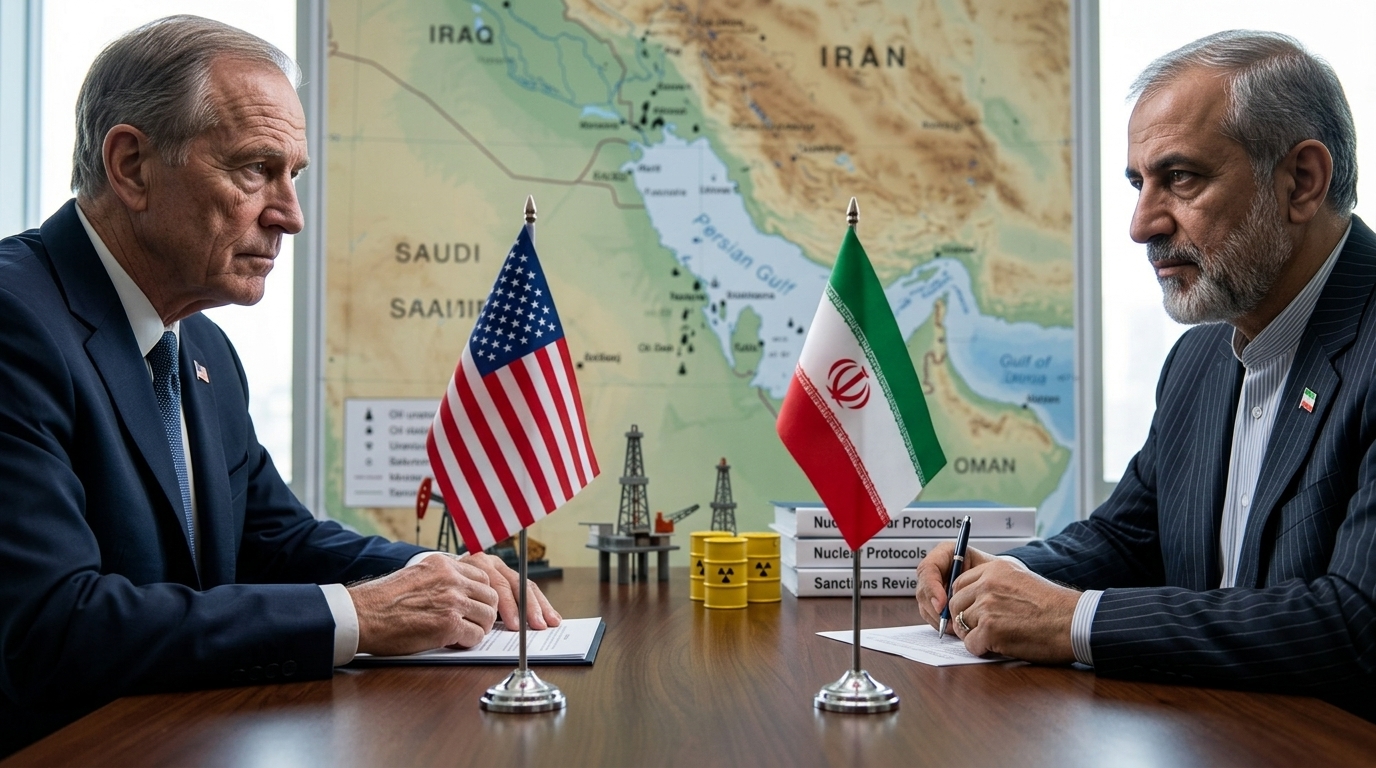
At a time when the Middle East resembles a powder keg, an unexpected ray of diplomatic light seems to be emerging from secret consultations between the United States and the Islamic Republic of Iran. According to information leaking from diplomatic circles and confirmed by international news networks, the two arch-enemies are close to a framework agreement for a 60-day "peace window." This temporary arrangement does not merely aim for a cessation of hostilities via proxies but touches the hard core of the confrontation: oil, sanctions, and the nuclear program.
The "Freeze" of Tension and the De-escalation Strategy
The proposed 60-day deal is based on the logic of "freeze-for-freeze." Tehran is called upon to halt uranium enrichment at levels approaching nuclear weapon capability (near 60%) and to restrain its regional allies' attacks. In exchange, Washington would offer a "tacit" easing of sanctions, allowing Iran to export larger quantities of crude oil to international markets, primarily toward Asia, without the fear of direct retaliation or tanker seizures.
This two-month period is considered critical for confidence building. After years of maximum pressure and failed attempts to revive the JCPOA (the 2015 nuclear deal), both sides seem to realize that a total break serves no one. For the US government, energy price stability is vital, especially during a period of inflationary pressures. For Iran, economic breathing room is essential to suppress internal social discontent.
The Role of the Strait of Hormuz and Global Energy
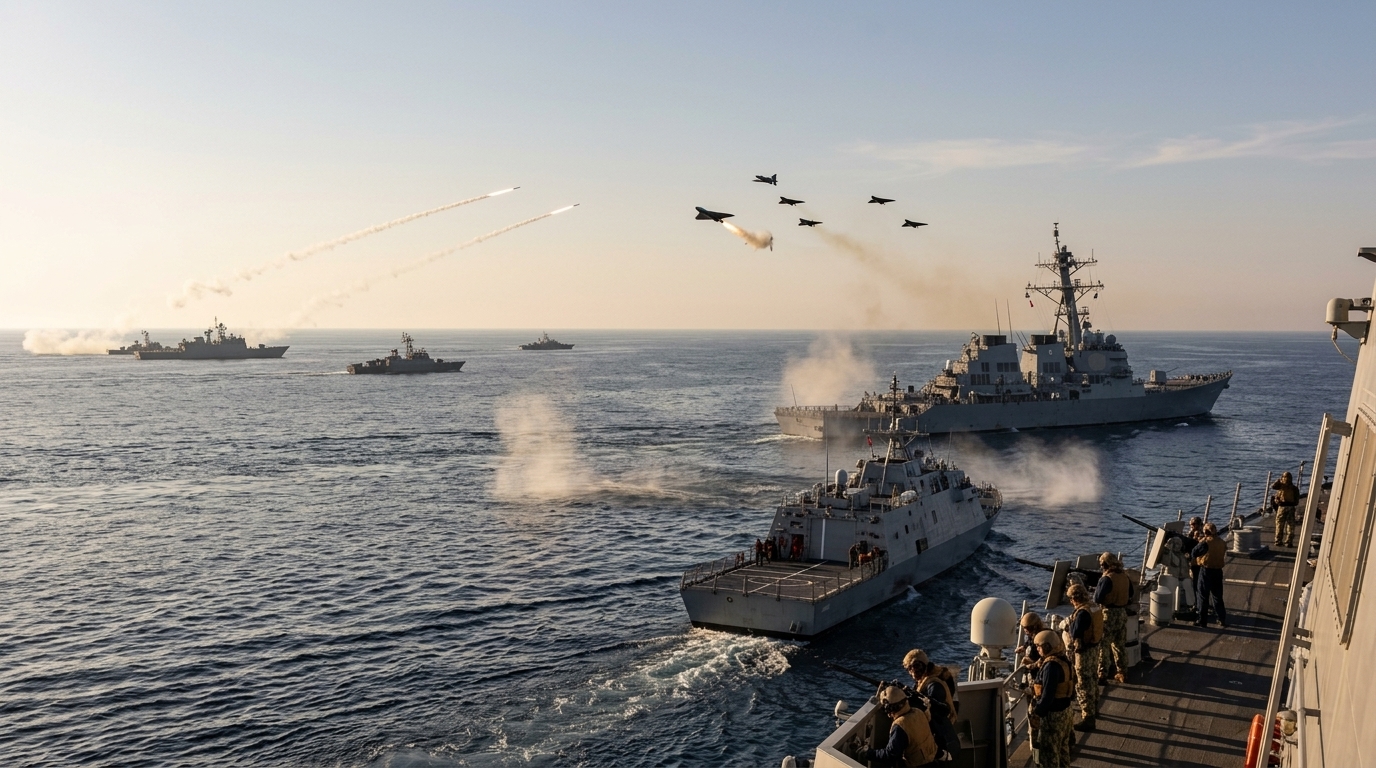
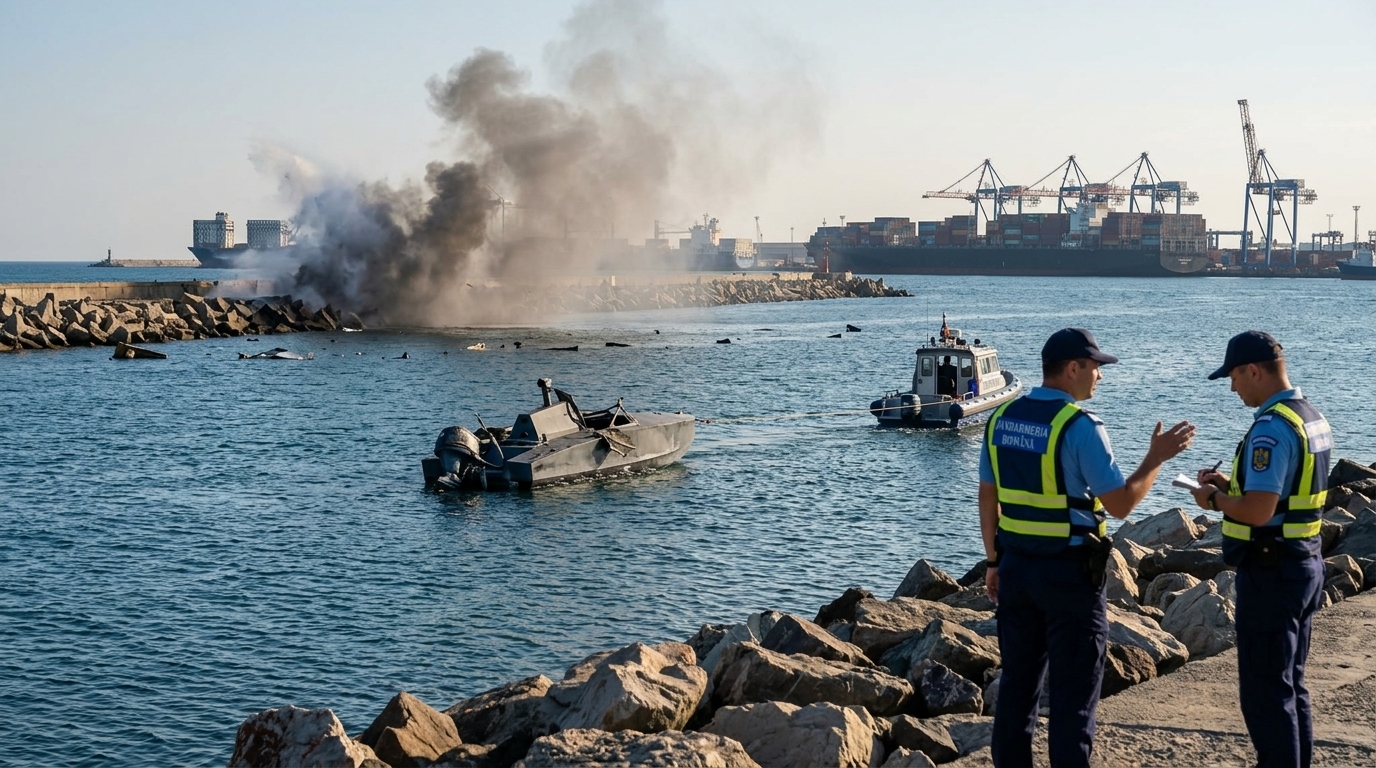
A central point of the negotiations is ensuring free navigation in the Strait of Hormuz. It is the most critical maritime passage worldwide, through which 20% of global oil consumption passes. Recent ship harassments and seizures have sent insurance premiums and uncertainty skyrocketing. The agreement provides for the withdrawal of Iranian fast boats from main shipping lanes and a corresponding reduction in the presence of US aircraft carriers within striking distance of the Iranian coast.
"Peace in Hormuz is not just a regional issue; it is the safety valve of the global economy," says a senior energy analyst.
If Iran manages to return fully to the markets, it could add up to 1.5 million barrels per day to the global supply. This would exert immediate downward pressure on Brent prices, something Washington eagerly seeks to weaken Russia's revenues and lighten the cost of living for its citizens.
The Nuclear Enigma: Uranium and Inspections
Perhaps the most thorny issue remains the level of uranium enrichment. Western intelligence agencies warn that Iran has accumulated enough material to build multiple nuclear warheads if it decides to proceed to 90% enrichment. The 60-day agreement provides for the re-entry of International Atomic Energy Agency (IAEA) inspectors into critical facilities, such as Natanz and Fordow, with increased access to cameras and real-time data.
However, suspicion remains high. Israel has already expressed its strong objections, considering that any temporary agreement merely buys time for Tehran without eliminating the threat. The Netanyahu government argues that easing sanctions will fund Iran's network of proxies (Hezbollah, Houthis), nullifying any diplomatic gains.
Conclusion: Tactical Maneuver or Strategic Shift?
The next 60 days will show whether this is a sincere effort to redefine relations or a tactical maneuver by both sides. The history of US-Iran relations is full of "lost opportunities" and broken promises. Nevertheless, the need for stability in a burning region may prove stronger than decades of ideological confrontation. If the "peace window" remains open, it might serve as the foundation for a new security architecture in the Middle East.