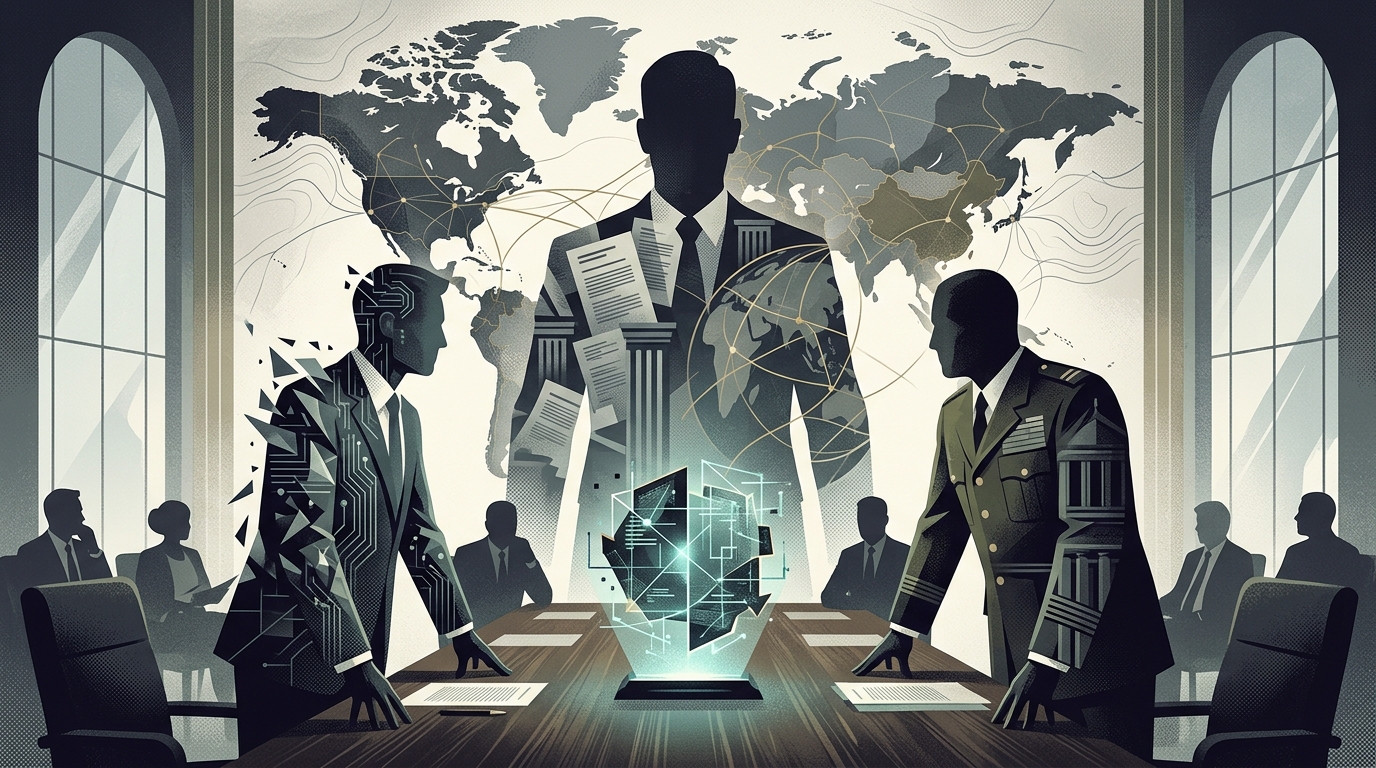
The global geopolitical chessboard is vibrating from a new, fierce confrontation that threatens to upend the fragile balances between the two superpowers of the 21st century. On Thursday, April 23, 2026, the US Department of Justice, in coordination with intelligence agencies, released a detailed report accusing Beijing of “industrial-scale” theft of Artificial Intelligence (AI) technology. These allegations do not merely concern traditional espionage but an orchestrated operation to infiltrate the most classified labs in Silicon Valley, aiming to acquire the “weights” of leading language models and the architecture of next-generation semiconductors.
The Anatomy of a Digital Heist
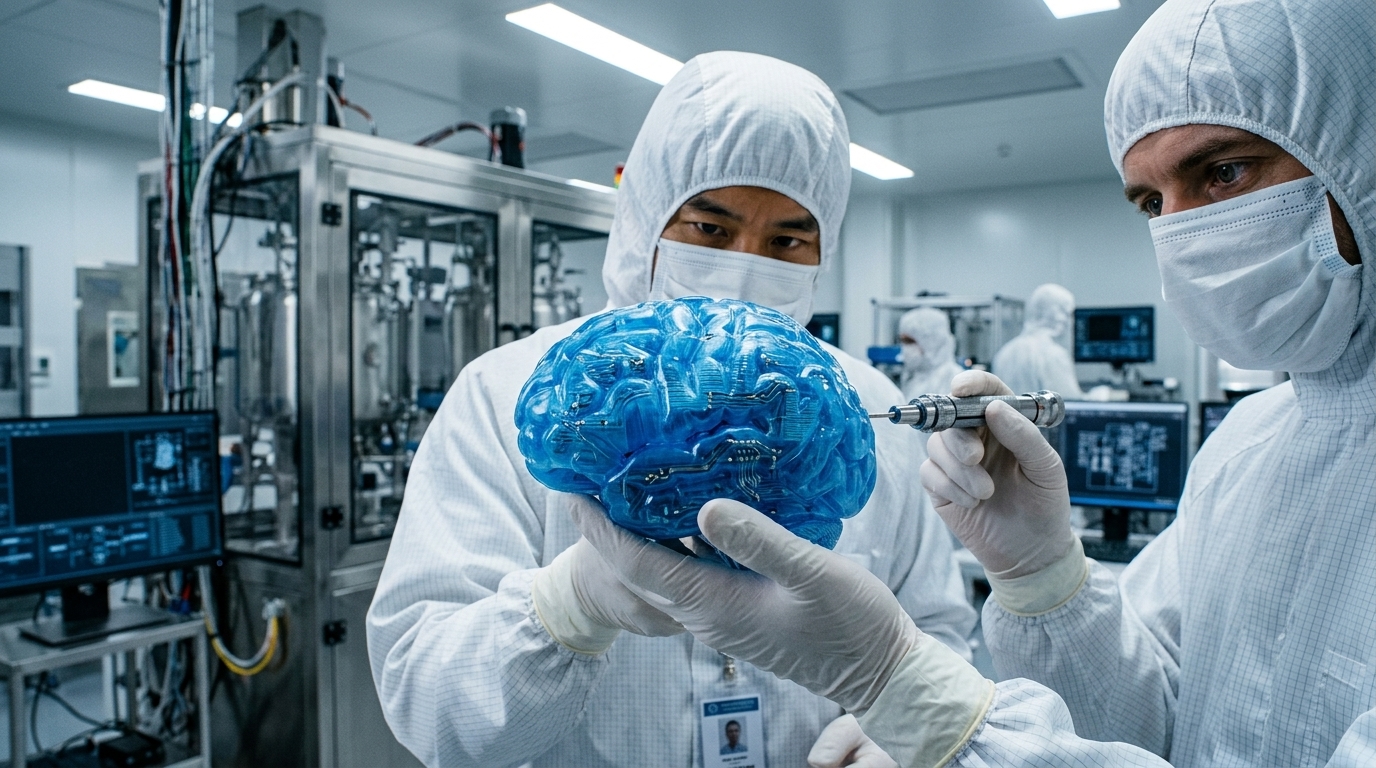
According to the American side, China has developed a network that combines cyber-attacks with talent “poaching” and forced technology transfer through joint ventures. The report claims that state-sponsored hacking groups, such as the notorious APT41, managed to gain access to model training environments previously thought to be impregnable. The stakes are immense: whoever controls the most advanced AI controls the economic productivity, cybersecurity, and military might of the coming decades.
- Theft of model weights that cost billions in R&D and compute time.
- Infiltration of chip design systems (EDA tools) to bypass US export restrictions.
- Recruitment of scientists through programs that Washington labels as “Trojan horses.”
The timing of these revelations is no coincidence. It coincides with the preparations for the critical summit between President Trump and President Xi Jinping, which was intended to de-escalate trade tensions. Instead, the atmosphere is now bellicose, with the White House mulling a new package of “paralyzing” sanctions that could effectively cut off Chinese tech firms from the global financial system.
Beijing’s Retort: “Pure Slander”
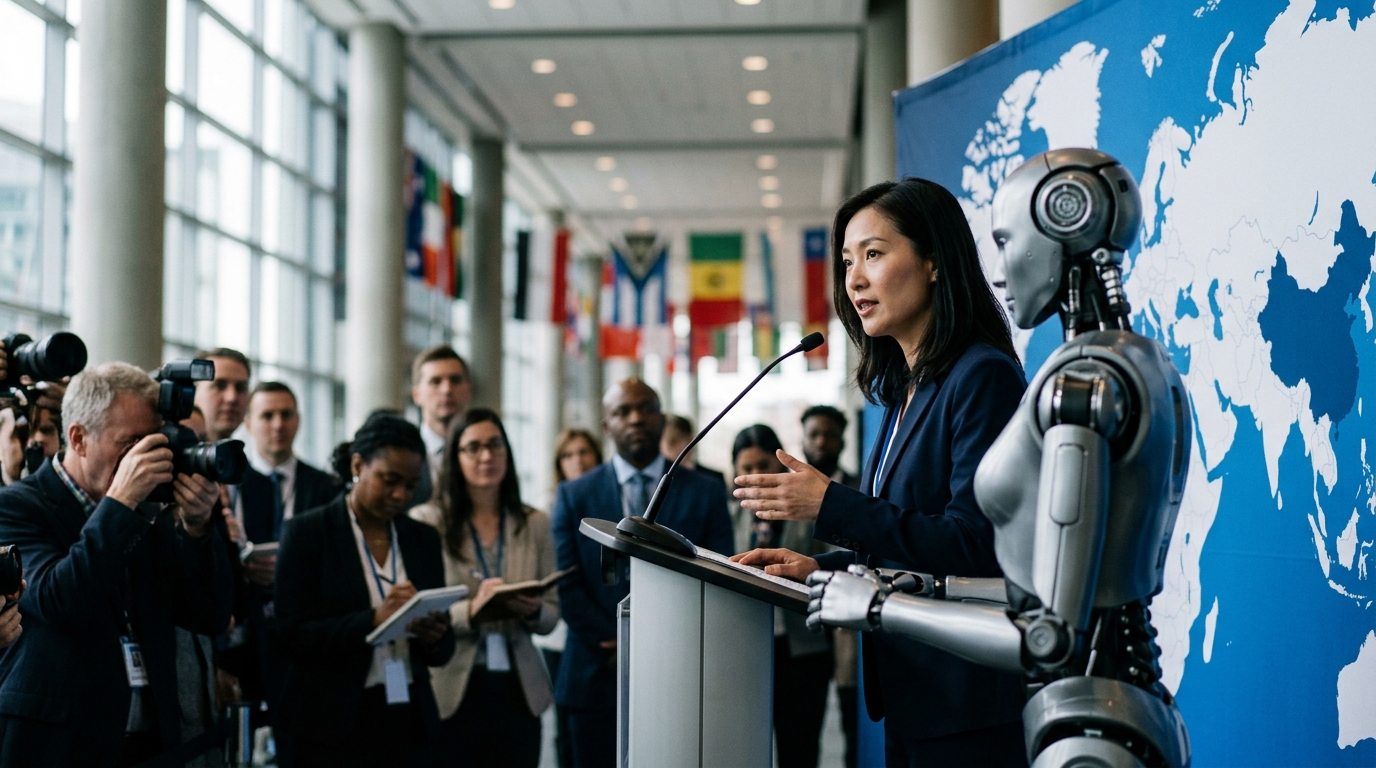
The Chinese Ministry of Foreign Affairs reacted swiftly, labeling the accusations as “malicious slander” and “politically motivated theater.” A ministry spokesperson stated that the US is using national security as a pretext to stifle Chinese innovation, as China has begun to surpass the West in fields like robotics and quantum computing. “It is Washington that holds the championship in global wiretapping,” the statement noted, referencing past NSA revelations.
“Technology belongs to humanity. The US attempt to monopolize AI progress is reminiscent of the colonial practices of the past,” a high-ranking Chinese official remarked.
However, analysts point out that China is under pressure. Despite massive investments, the lack of access to the most advanced chips from NVIDIA and AMD has created a “compute gap” that Beijing is desperately trying to bridge. Intellectual property theft is seen by many as the “shortcut” to achieving the technological autonomy mandated by the Xi doctrine.
Economic Implications and the Risk of the “Splinternet”
The escalation of this conflict is not confined to diplomatic papers. Markets reacted with jitters, with shares of major tech giants sliding as the fear of a total “decoupling” between the two economies becomes increasingly palpable. If the US moves forward with the threatened sanctions, the global AI supply chain could be irreparably fractured.
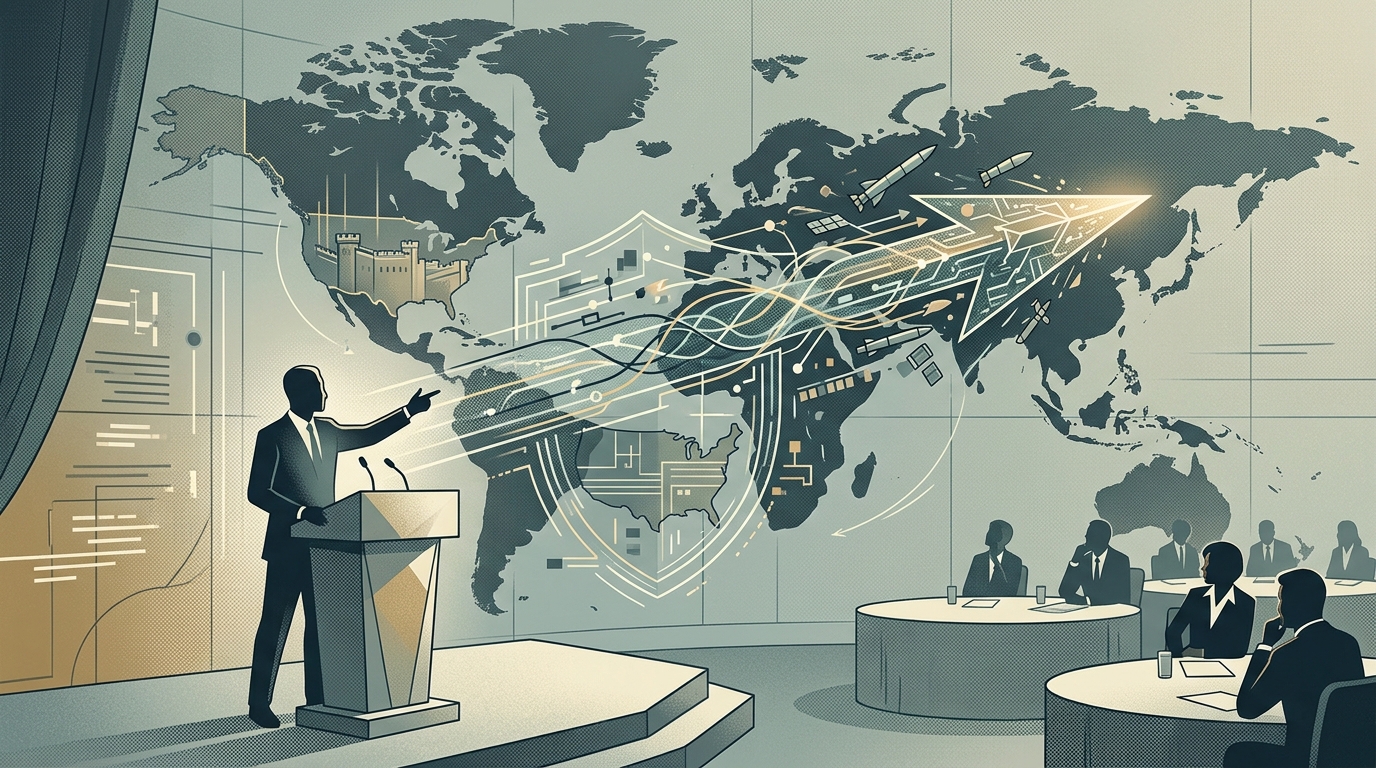
The scenario of a “Splinternet”—an internet and AI ecosystem split in two—now looks like an inevitable outcome. On one side, a US-led Western bloc with strict ethical standards and controlled access; on the other, a China-led Eastern bloc emphasizing state security and rapid deployment. The Trump-Xi summit, if it proceeds, will not be a meeting of cooperation, but a negotiation over the terms of a new, digital Cold War.