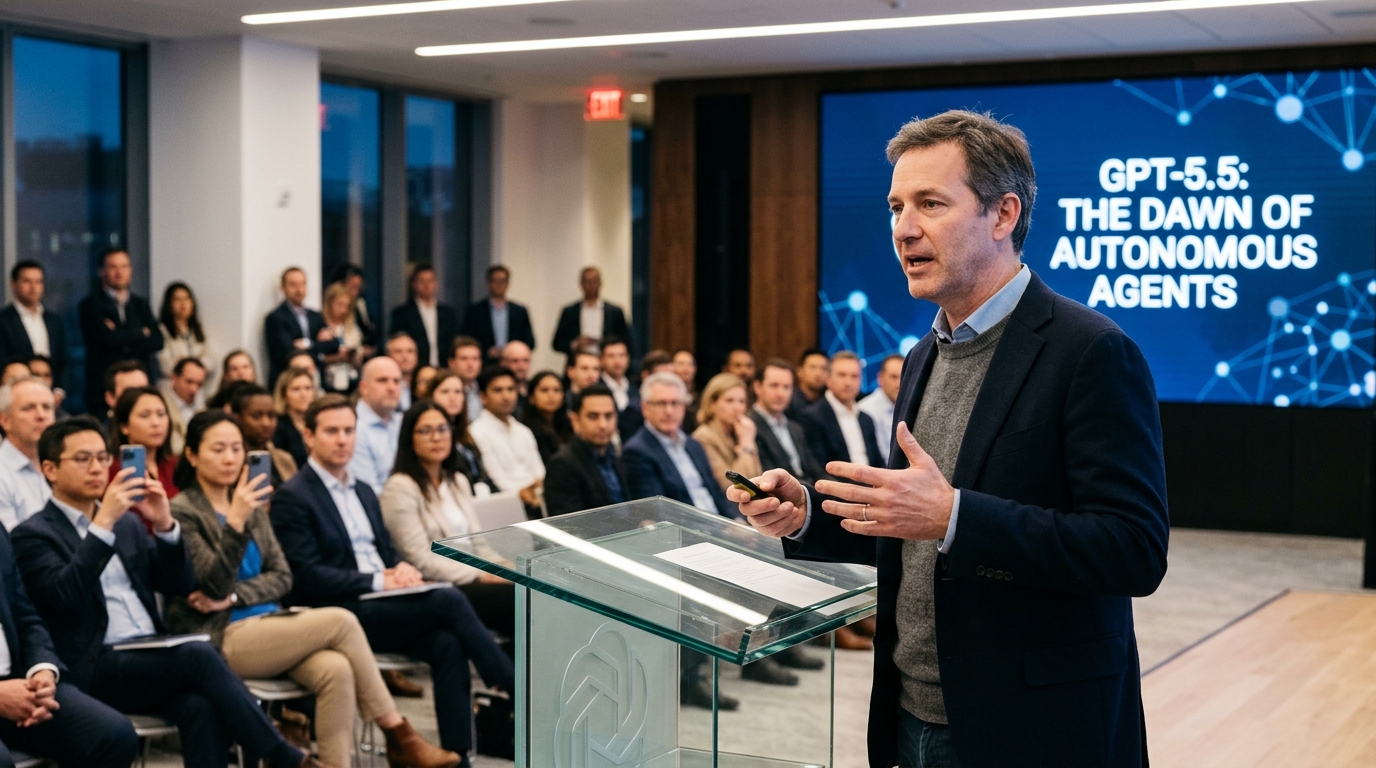
In a move that many analysts have described as the "final blow" to traditional digital interaction, OpenAI today announced the release of GPT-5.5. While GPT-5 had already laid the groundwork for a new era of artificial intelligence a few months ago, the 5.5 version is not just a simple upgrade but a radical overhaul of Large Language Model (LLM) architecture, focusing on what the company calls "Active Agentic Intelligence."
The Transition from Chatbot to Autonomous Agent
GPT-5.5 distinguishes itself from its predecessors primarily through the integration of "System 2 Thinking"—a slow, methodical reasoning process that allows the model to verify its answers before articulating them. While previous versions relied on predicting the next token with speed, GPT-5.5 "thinks" across multiple levels of abstraction. This makes it capable of executing complex tasks without the need for constant user guidance.
For instance, a user can now ask the model to "organize a three-day business trip to London, taking into account the meeting schedule, hotel preferences, and the corporate budget." GPT-5.5 will not merely suggest an itinerary; it will connect to external APIs, compare prices in real-time, make bookings (if authorized), and adjust the schedule in case of flight delays.
"We are no longer building tools that answer questions. We are building digital partners that solve problems," Sam Altman stated during the presentation.
Economic Implications and Market Disruption
The release of GPT-5.5 comes at a time when the global economy is still trying to absorb the shocks from the first generation of generative AI. The new model's ability to function as an autonomous agent poses a direct threat to jobs involving coordination, administrative support, and basic data analysis. However, OpenAI argues that the increase in productivity will offset losses, creating new industries that we cannot even imagine today.
In the business sector, GPT-5.5 is expected to drastically reduce the operating costs of customer service and scheduling departments. The model's ability to understand context over time and learn from user preferences without needing constant retraining makes it an invaluable asset for large multinationals, but also a threat to small and medium-sized enterprises that may lack the financial capacity to integrate these technologies immediately.
Competition and the Geopolitical Chessboard
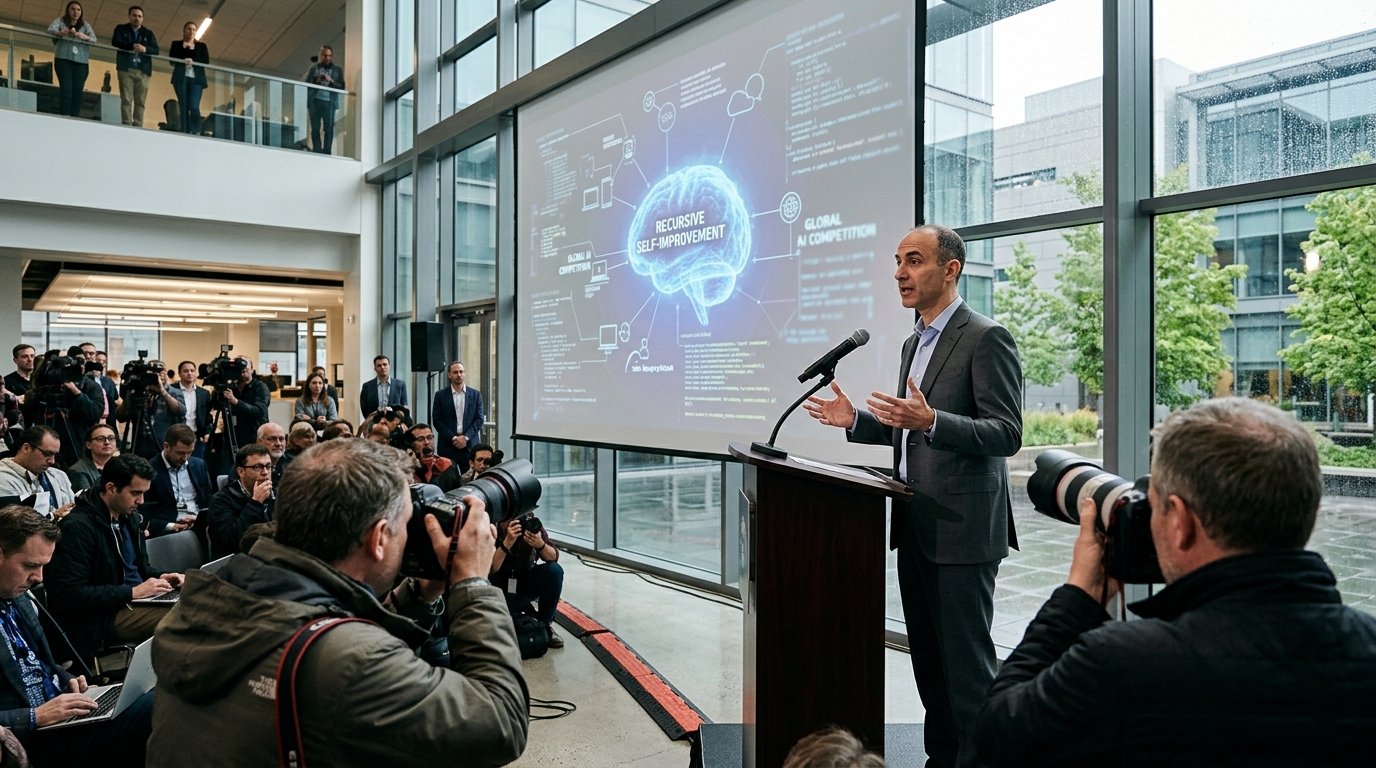
This announcement is not just about technology; it's about power. With Google having introduced Gemini 2.5 and Anthropic gaining ground with Claude 4, OpenAI needed to make a checkmate move. GPT-5.5 appears to be that move. The company's close partnership with Microsoft and access to the vast resources of Azure data centers give the model a scale advantage that is hard to overcome.
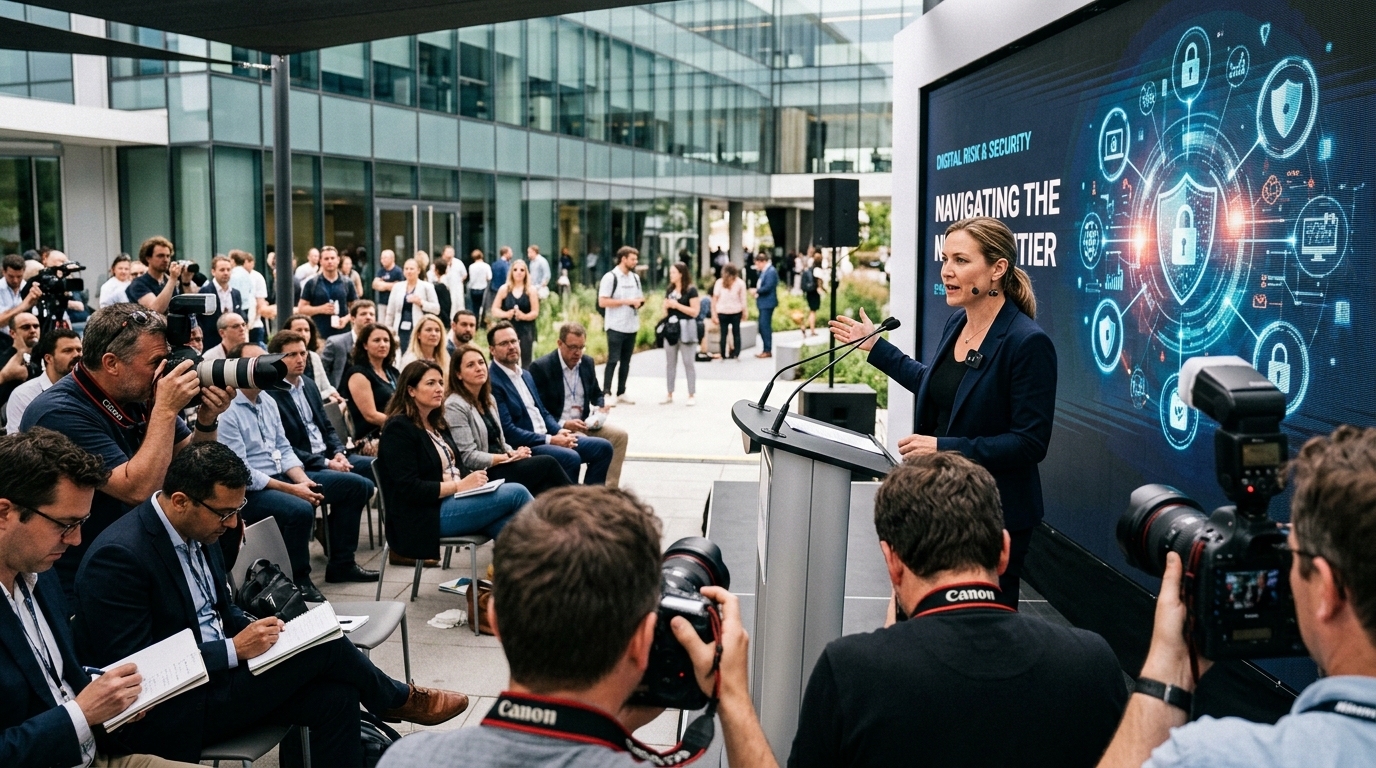
Geopolitically, U.S. dominance in the AI sector is further consolidated, causing concern in the European Union and China. The EU, through the AI Act, is attempting to set boundaries, but the speed of evolution is such that regulators often find themselves lagging behind. The question remains: Who controls autonomous agents when they start making decisions that affect financial markets or social cohesion?
Conclusion: Towards a New Symbiosis
GPT-5.5 is the symbol of a new era where artificial intelligence is no longer a passive tool. The challenge for humanity in 2026 is no longer learning "how to talk" to AI (prompt engineering), but how to coexist with entities that possess their own judgment and capacity for action. OpenAI has opened a door that cannot be closed, and the future depends on whether we can direct this power toward the common good or whether we will become mere observers of our own automation.