The geopolitical chessboard of the Middle East is once again at a critical turning point, as negotiations between the United States and Iran resemble a labyrinth with no visible exit. Despite periodic attempts at "de-escalation" or "informal understandings," the core of the disagreements remains immovable, composing a puzzle where every piece—from uranium enrichment levels to security in the Strait of Hormuz—seems not to fit with the rest.
The Nuclear Threshold and the Shadow of the Bomb
The most significant thorn in the relations between the two sides remains Tehran's nuclear program. Following the US withdrawal from the JCPOA in 2018, Iran has moved toward uranium enrichment levels reaching 60%, a hair's breadth away from the 90% required for a nuclear weapon. The international community, and Washington in particular, views this development as an existential threat to regional stability.
Tehran, for its part, maintains that its program is exclusively peaceful but uses its technological progress as a lever of pressure. Negotiations are stuck on the question: Who will take the first step? The US demands full compliance and the return of IAEA inspectors, while Iran demands guarantees that a future American administration will not unilaterally cancel the deal again—a guarantee that the White House is legally and politically unable to provide.
Economic Warfare and the Wall of Sanctions
The second major chapter is sanctions. The "maximum pressure" policy initiated under Trump and largely continued by the Biden administration has brought the Iranian economy to its knees but has failed to change the regime's behavior. Iran demands the full lifting of sanctions, including those related to terrorism and human rights, as a prerequisite for returning to the negotiating table.
However, for Washington, sanctions are the only remaining "card." Releasing billions of dollars in frozen assets is a red flag for Congress, especially at a time when Iran is accused of providing drones to Russia and supporting proxies across the region, from Hezbollah to the Houthis.
The Strait of Hormuz: The Energy Achilles' Heel
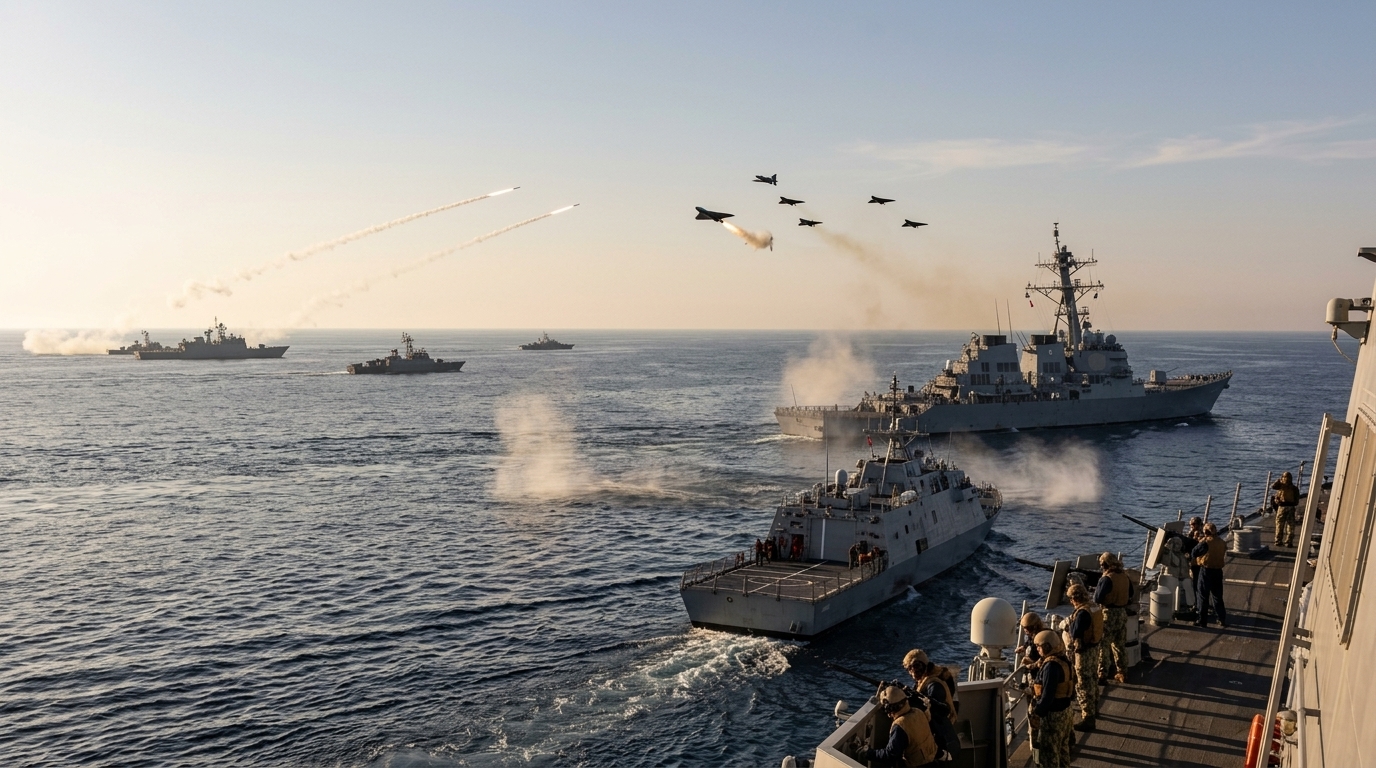
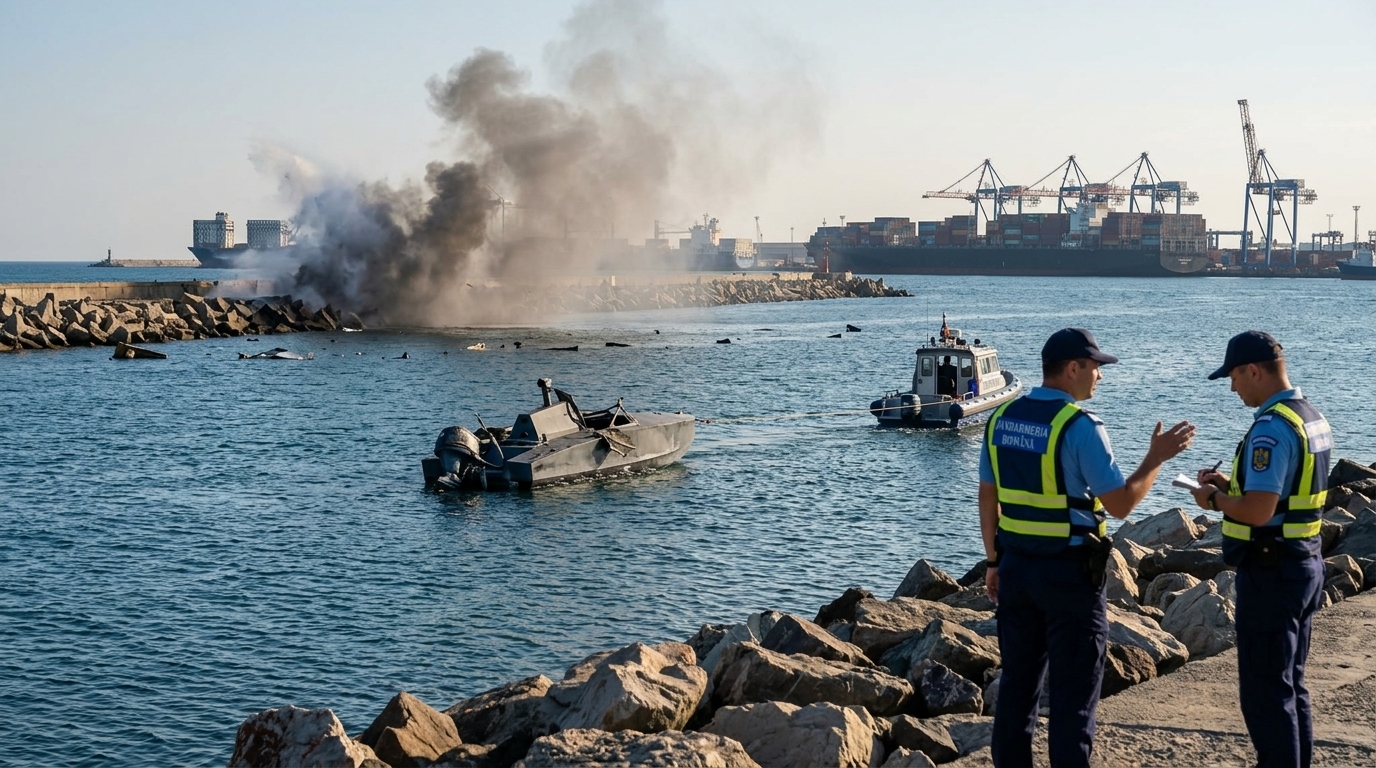
Geography plays its own decisive role. The Strait of Hormuz, through which one-fifth of global oil consumption passes, constitutes the ultimate weapon of geopolitical blackmail. Recent tensions and seizures of tankers have shown that Iran is willing to "weaponize" navigation to respond to economic pressures.
- Maritime security is vital for the global economy.
- Every incident in Hormuz causes an immediate spike in energy prices.
- The presence of the US Navy in the area acts as a deterrent but increases the risk of an accident that could lead to a generalized conflict.
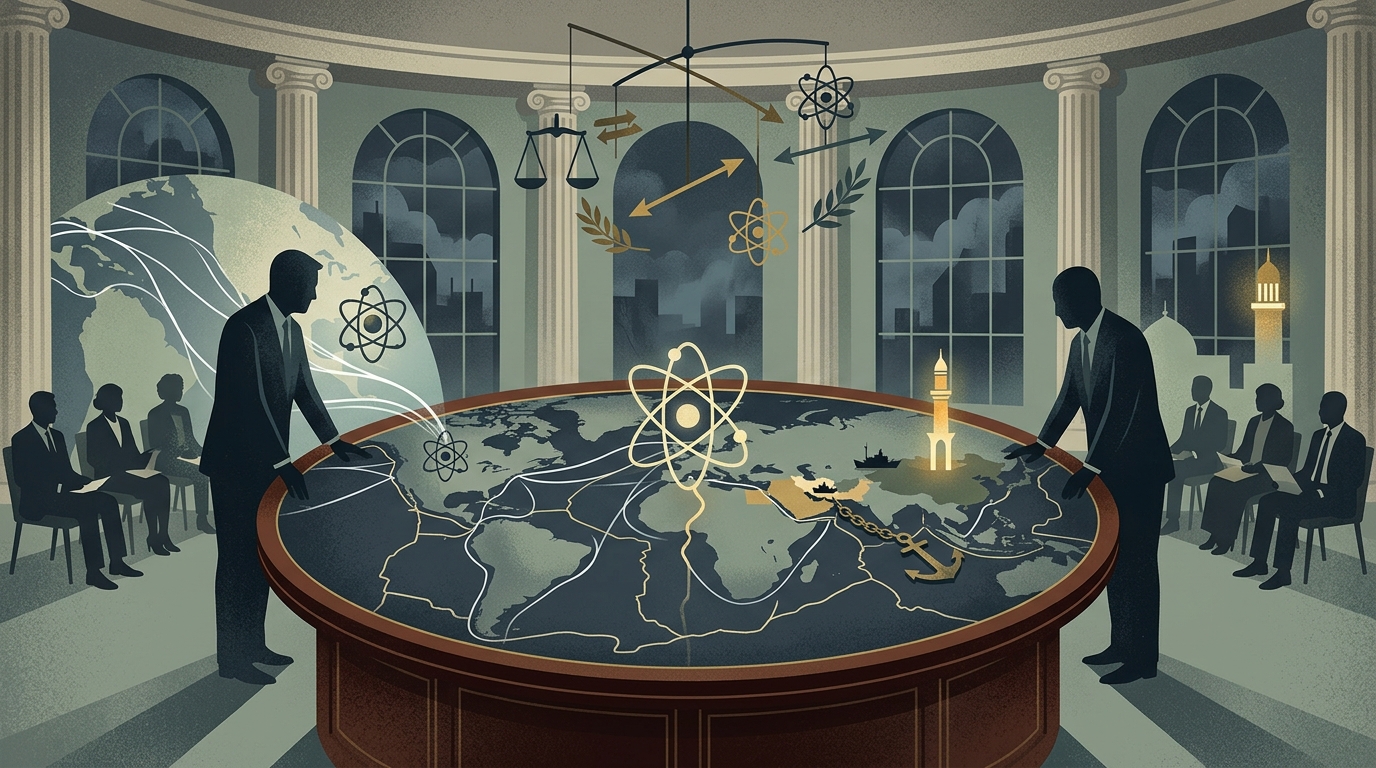
Linking the nuclear issue with maritime security makes a deal even more difficult, as the US seeks a "longer and stronger" agreement that would also include Iran's ballistic missile program—something Tehran categorically refuses to discuss.
The Involvement of Regional Powers
Finally, we cannot ignore the role of Israel and the Arab Gulf states. Israel considers any deal that allows Iran to maintain enrichment infrastructure as a historical mistake and reserves the right to unilateral action. On the other hand, Saudi Arabia and the UAE, although they have started their own rapprochement process with Tehran, remain suspicious of Iran's hegemonic ambitions.
"The absence of a deal is not a vacuum; it is a space filled with the risk of miscalculation," notes a senior diplomatic analyst.
In conclusion, the puzzle of US-Iran disagreements is not merely a technical dispute over uranium percentages. It is a deep conflict of visions for the security architecture of the Middle East. As long as mutual distrust prevails and domestic political expediencies in both countries hinder compromises, the likelihood of a comprehensive agreement remains low, leaving the region in a state of constant and dangerous anticipation.