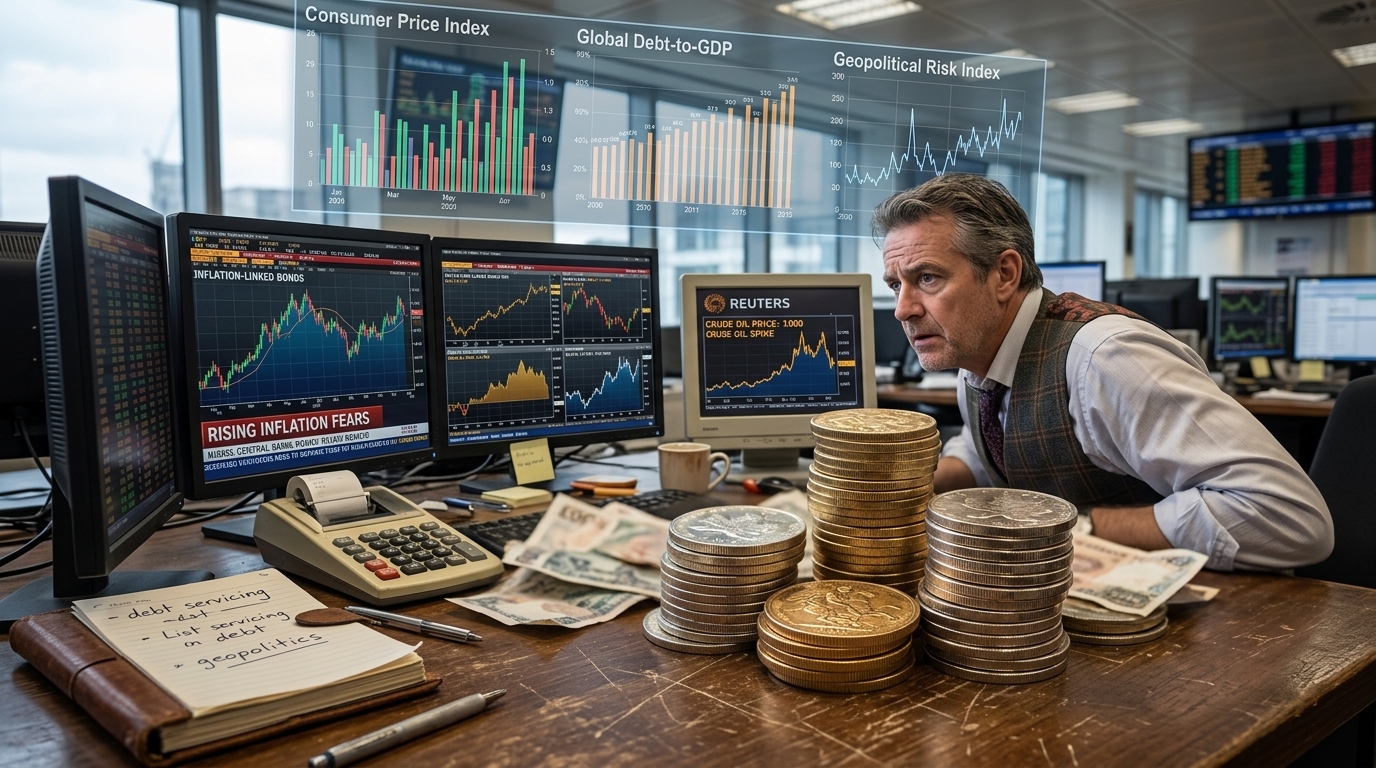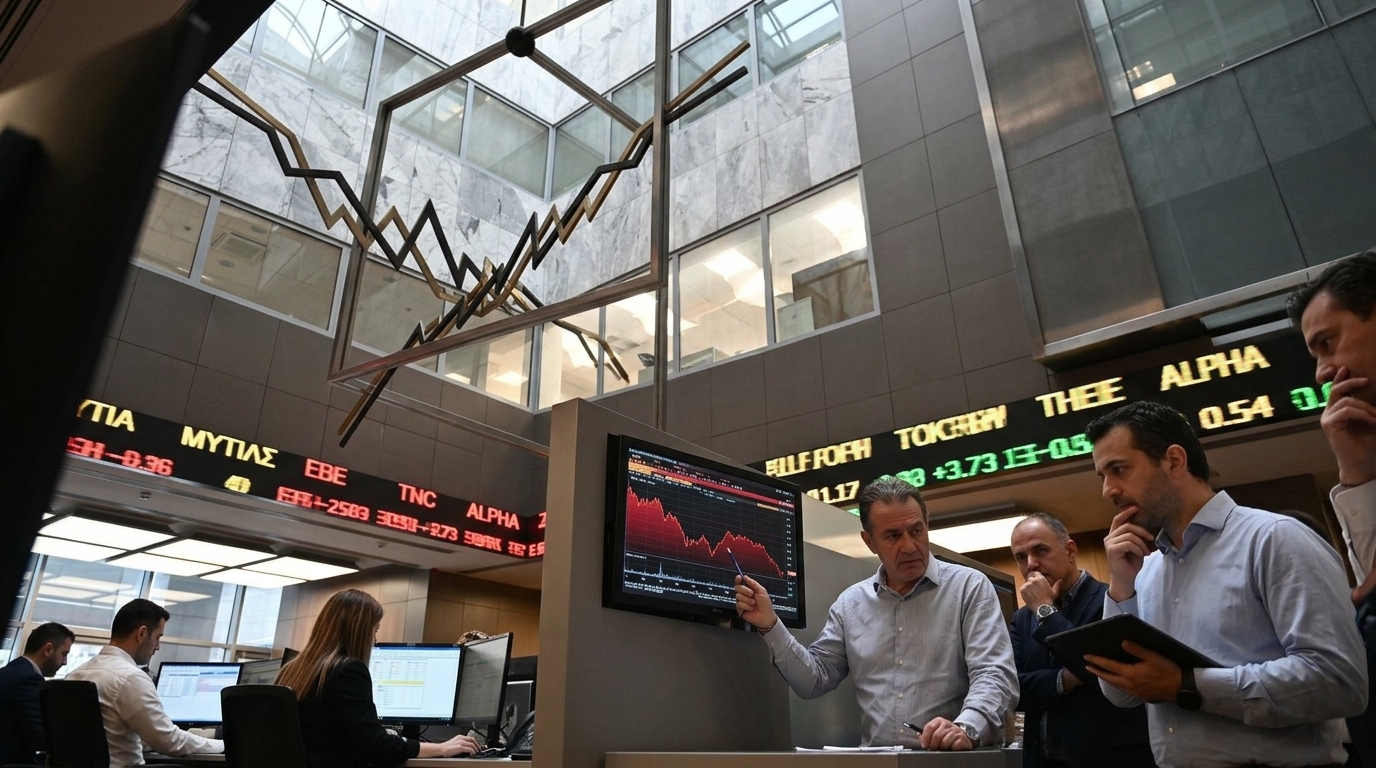
The performance of the Athens Stock Exchange (ASE) in recent weeks resembles a precarious balancing act on quicksand. Despite the robust fundamentals of the Greek economy and the recent attainment of investment-grade status, the local market appears trapped in a cycle of introversion and caution. The Athens bourse, ever sensitive to global tremors, is feeling the weight of geopolitical developments in the Middle East, which impact not only energy costs but also the overall risk appetite in the broader Southeastern European region.
The Geopolitical Discount and the Energy Shadow
The escalation of tensions between Israel and Iran has created a toxic mix for emerging and peripheral markets. For Athens, this translates into immediate pressure on stock prices, as foreign institutional investors—who control the lion's share of liquidity—tend to withdraw capital from markets perceived as "peripheral" during times of crisis. Rising oil and gas prices act as a drag on growth, increasing operational costs for businesses and squeezing profit margins.
As market analysts point out, "The stock market is not punishing the Greek economy; it is reflecting the fear of the unknown." The uncertainty regarding a potential wider conflict in the Middle East keeps buyers on the sidelines, while sellers capitalize on every minor rally to lock in profits. This behavior results in a "shallow" market, where small trading volumes can trigger disproportionately large price fluctuations.
Banks at the Forefront of the Squeeze
The banking sector, which was the undisputed protagonist of the rally over the past two years, is now at the center of the correction. Greek banks, despite strong earnings and the successful divestment of the Hellenic Financial Stability Fund (HFSF), are under pressure due to expectations regarding the ECB's interest rate trajectory. The anticipated rate cuts from Frankfurt, while positive for the real economy, limit the net interest margins (NIMs) of banks, forcing investors to re-evaluate valuations.
- Eurobank and National Bank remain the index's anchors, but their volatility has spiked significantly.
- Alpha Bank and Piraeus are searching for new support levels as investors focus on asset quality and dividend distribution potential.
- Liquidity remains the primary concern, with daily turnover often dipping below the 100-million-euro mark.
"The market needs a new narrative that goes beyond the mere recovery of investment grade. Investors are now looking for proof of sustainable growth in a hostile international environment," says a leading fund manager.
The Psychology of the 1,400 Level
Technically, the General Index is fighting its own battle with the psychological and technical threshold of 1,400 points. Remaining below this level for an extended period reinforces the scenario of a further correction toward 1,350 or even 1,320 points. Conversely, a convincing break above 1,450 points would require a significant de-escalation of international tensions and an influx of "fresh" capital, which is currently not on the horizon.
Furthermore, the domestic political scene, while stable, no longer provides the catalysts it once did. Reforms are progressing, but the market seems to have already priced them in. Attention is now shifting to third-quarter corporate results, which will indicate whether listed companies can withstand inflationary pressures and increased borrowing costs. The Athens Stock Exchange is no longer a "bargain" market; it is a market that must prove its value daily.
Conclusion and Outlook
The "quicksand" the market is currently navigating is not necessarily a harbinger of collapse but a sign of maturation and adjustment. Athens is called to prove it can stand tall even when the winds are blowing against it. Investor strategy for the remainder of the year is expected to be defensive, focusing on stocks with high dividend yields and strong cash flows. Patience will be the keyword for those remaining positioned in the Greek market, as the clearing of the geopolitical fog may take longer than initially anticipated.