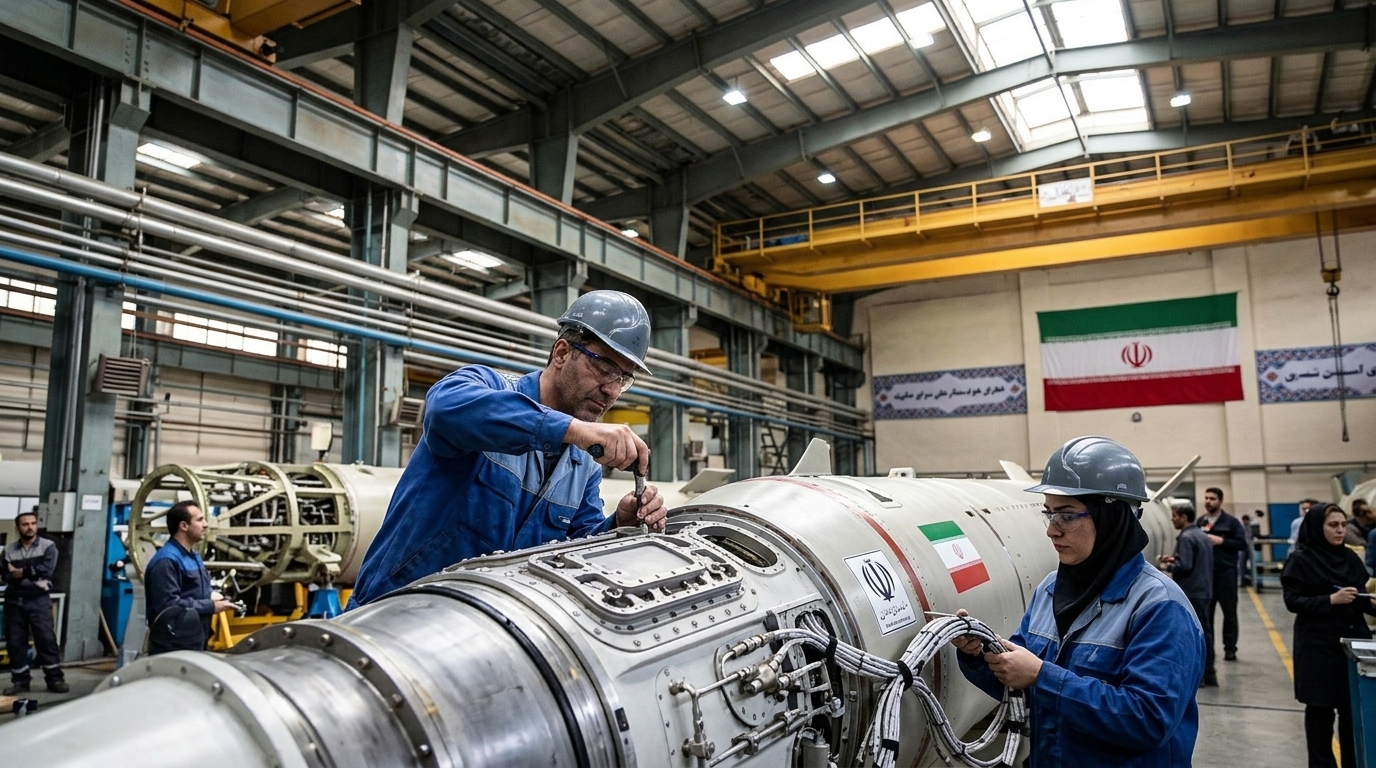
The geopolitical chessboard of the Middle East is facing a major upheaval as new intelligence reports, highlighted by CNN and US officials, suggest that Iran has achieved the "impossible." Despite years of crushing sanctions, high-profile sabotages, and recent precision strikes on its critical infrastructure, Tehran has managed to rebuild its military industry at a pace that far exceeds the projections of the CIA and the Pentagon. This development is not merely a technical success for the Iranian regime; it represents a profound strategic failure for Washington's "maximum pressure" policy.
The Architecture of Resilience: How Tehran Bypassed Obstacles
According to declassified assessments, Iran has adopted a model of "decentralized production" that makes its military facilities exceptionally resilient to airstrikes. Instead of large, centralized factory complexes, the production of Shahed-type drones and Fattah ballistic missiles has been dispersed across hundreds of smaller workshops, many of which are located deep underground or within densely populated urban areas. This "industrial guerrilla warfare" strategy allowed Tehran to restart production lines just weeks after the latest Israeli strikes.
Furthermore, the use of 3D printing technology and the domestic manufacturing of critical components that were previously imported have significantly reduced dependence on international supply chains. US agencies now estimate that Iran has successfully reverse-engineered at least a dozen different types of Western microprocessors, creating its own versions that, while perhaps less sophisticated, are more than adequate for guiding unmanned aerial vehicles (UAVs) and precision-guided missiles.
The Moscow-Beijing Axis: A Diplomatic and Technological Shield
The speed of the Iranian recovery would not have been possible without enhanced cooperation with Russia and China. The quid-pro-quo relationship with the Kremlin, especially following the onset of the war in Ukraine, has granted Iran access to advanced Russian radar systems and cyber warfare technology. In exchange for the thousands of drones Tehran supplies to the Eastern European front, Moscow provides technical expertise that accelerates the modernization of the Iranian defense industry.
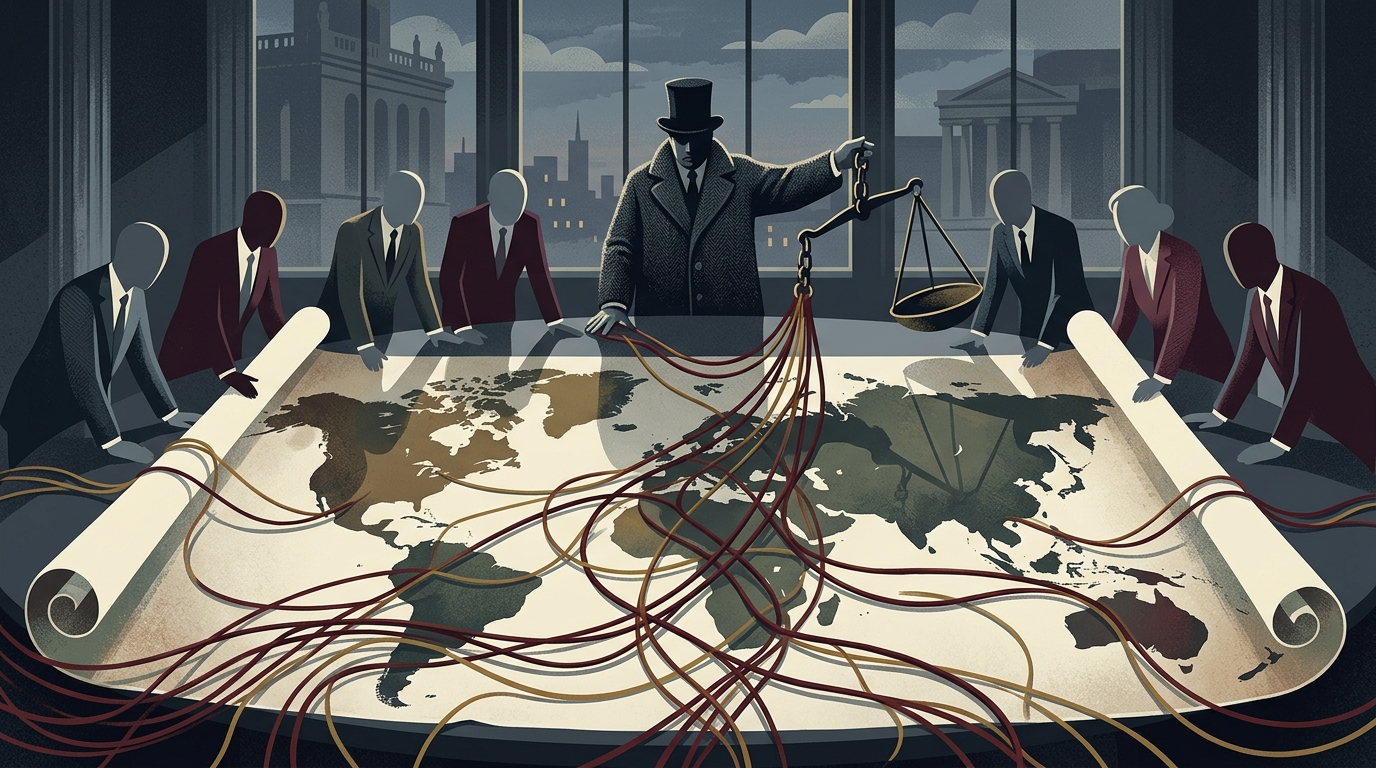
On the other hand, China remains the primary economic lifeline, purchasing Iranian oil through "shadow networks" and providing high-precision machine tools in return. This "Axis of Resilience" has created a parallel economic and industrial system operating outside the reach of the US dollar and Western banking controls. Analysts warn that the West is no longer facing an isolated pariah state, but a node in a global network of authoritarian regimes that trade technology and resources to neutralize American hegemony.
Regional Security Implications and Israel's Dilemma
The rapid reconstruction of Iranian capabilities dramatically shifts the security equation for Israel and the Gulf Arab states. The long-held belief that a military strike could "set back" the Iranian program by years now appears obsolete. If Tehran can repair damages within months rather than years, then the strategy of deterrence through periodic strikes loses its efficacy.
This presents Washington with a painful dilemma: it must either accept Iran as a permanent, advanced military power in the region or escalate to the level of total war to permanently dismantle its infrastructure—an option that no one in the White House desires. The failure of intelligence estimates also highlights a gap in understanding Iran's internal dynamics, which appears to possess a much more sophisticated scientific and industrial base than Western analysts had previously assumed.
Conclusion: A New Era of Asymmetric Power
As of May 2026, Iran finds itself more industrially fortified than ever, despite the economic hardships faced by its population. Tehran's ability to produce weapons en masse and cheaply, repurposing consumer technology into lethal tools, serves as a blueprint for 21st-century warfare. The international community is now forced to re-evaluate not only the threat posed by Iran but also the viability of sanctions as a foreign policy tool in a multipolar world where technology can no longer be contained behind borders.