The geopolitical chessboard of the Middle East is shifting once again, as new reports emerging from CNN point toward a reality that is deeply concerning for the West: Iran is recovering its military capabilities at a pace that exceeds all prior intelligence estimates. At the heart of this resurgence lies the production of unmanned aerial vehicles (UAVs), a sector where Tehran has systematically invested over the last decade, turning necessity into a strategic advantage. According to the report, Iran utilized periods of relative calm and ceasefires in the region not to de-escalate, but to upgrade its production lines and replenish its stockpiles.
The Strategy of 'Silent' Reconstruction
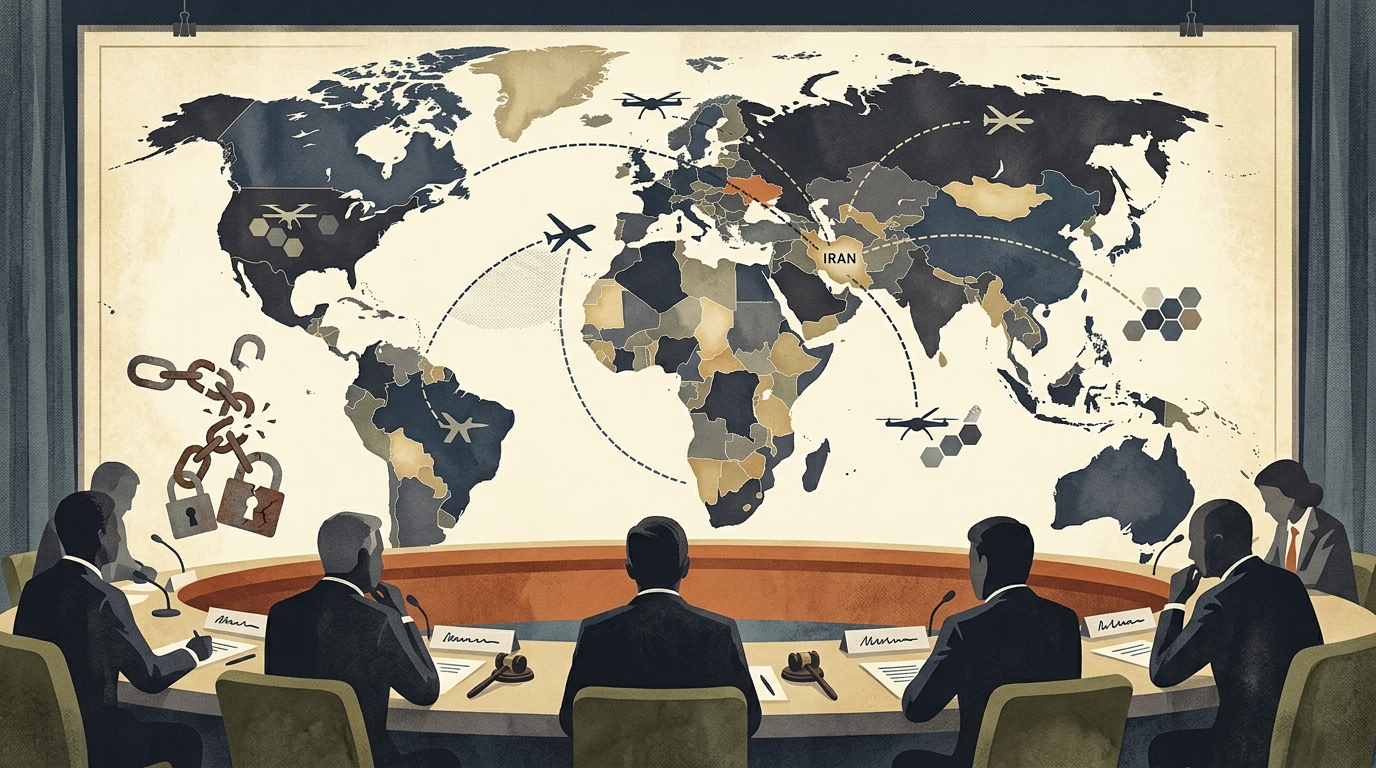
Iran's ability to bounce back from external pressure is not a new phenomenon, but the velocity of its recovery this time has caught intelligence agencies off guard. The CNN report emphasizes that Iranian authorities have managed to establish a 'shadow' supply network that effectively bypasses international sanctions. By utilizing dual-use components—parts readily available on the open market for commercial purposes—Tehran is able to manufacture drones like the now-infamous Shahed series with minimal cost and maximum tactical efficacy.
During the recent ceasefire, satellite imagery and field intelligence indicated intense activity at military installations previously thought to be mothballed or under heavy surveillance. This reconstruction is not limited to mere assembly; it extends into research and development. Iran appears to be integrating sophisticated artificial intelligence algorithms into its drone navigation systems, making them more resilient to electronic warfare (jamming) and significantly more precise in target acquisition.
Artificial Intelligence and Asymmetric Warfare
The integration of AI into Iranian drones is fundamentally changing the rules of modern warfare. These are no longer simple remote-controlled aircraft; they are becoming autonomous systems capable of making real-time decisions. This evolution allows Iran to conduct asymmetric warfare with minimal risk to its own personnel, while inflicting disproportionately high costs on its adversaries. The development of 'swarming technology'—where dozens of drones coordinate their flight paths to overwhelm air defense systems—represents a tangible threat that Western powers are struggling to counter effectively.
- Enhanced flight autonomy using AI for radar evasion.
- Improved computer vision systems for target recognition.
- Reduced production costs through the use of 3D printing for critical components.
- Integration with third-country satellite networks for global operational reach.
The Failure of Western Sanctions
The pressing question is how a nation under the most stringent sanctions regime in the world manages to lead in drone technology. The answer lies in the globalization of technology itself. Many of the microchips and engines found in downed Iranian drones originate from Western companies, having reached Iran via convoluted routes through Asia and Africa. The CNN report illustrates that while sanctions have been economically painful, they have failed to halt Tehran's technological trajectory.
Furthermore, the deepening cooperation with Russia has created a symbiotic relationship of knowledge exchange. Iran provides drones for the conflict in Ukraine and, in return, receives access to Russian military technology and invaluable battlefield data. This 'technological axis' is forging a new geopolitical bloc that directly challenges the hegemony of the United States and its allies. The feedback loop from the Ukrainian front allows Iranian engineers to iterate their designs in weeks rather than years.
Conclusions and Future Outlook
Iran's rapid recovery serves as a stark reminder that military power in the 21st century is not solely dependent on the size of a defense budget, but on agility and innovation. Tehran has demonstrated an ability to turn isolation into a catalyst for self-sufficiency. For the international community, the challenge is now twofold: the urgent need for more effective controls over technological flows and the realization that diplomacy may be the only viable path forward, as military containment becomes increasingly complex due to the proliferation of autonomous drone technology.