May 2026. The Middle East is ablaze once again, but this time the stakes for Washington feel more existential than ever. Two months after President Donald Trump ordered "surgical" strikes against Tehran's nuclear and military infrastructure, the reality on the ground is a far cry from the promises of a "quick and decisive" victory. What began as a show of force is evolving into a strategic labyrinth that threatens to swallow the political capital of a leader who once promised to end "forever wars."
The Illusion of Surgical Precision
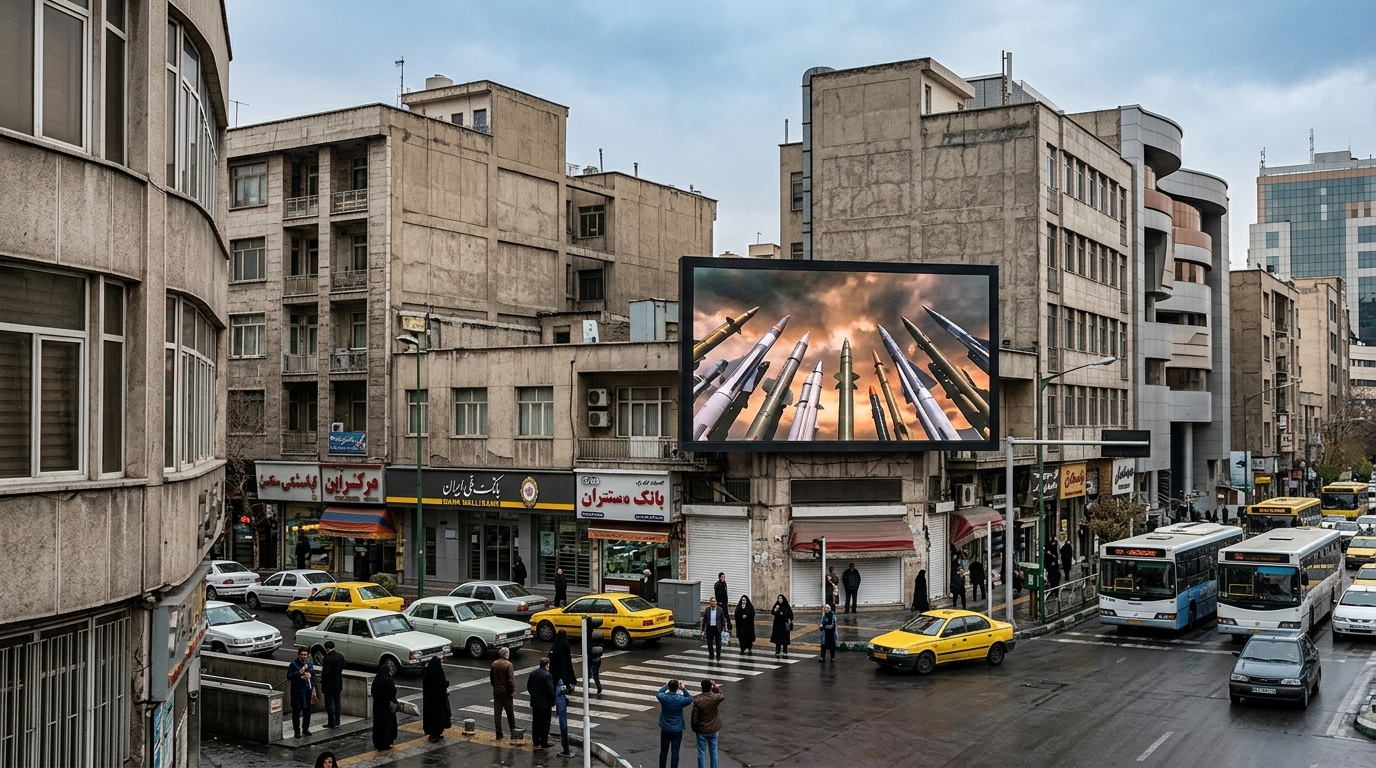
When the first Tomahawk missiles hit facilities in Natanz and Fordow back in March, the White House proclaimed the end of the Iranian nuclear threat. However, Tehran has proven that its strategy of "strategic patience" has given way to "active resistance." The use of swarms of kamikaze drones and the mobilization of its proxies in Lebanon, Iraq, and Yemen have created multiple fronts, forcing the US to commit resources that were intended to contain China in the Pacific.
The problem for Trump is twofold: military and communicative. On the ground, the absence of land forces—a red line he set to avoid alienating his base—makes it impossible to fully dismantle Iranian capabilities. On the communication level, the image of a "quagmire" is beginning to dominate American media, reminiscent of the dark days of Iraq and Afghanistan, which Trump passionately condemned during his campaign.
The Fracture in the MAGA Camp
Perhaps the most dangerous consequence of the crisis is the internal split within the Republican Party's electoral base. The "isolationists," who form the core of the MAGA movement, feel betrayed. For them, involvement in Iran is a victory for the "Deep State" and the neoconservatives (neocons) that Trump promised to expel. On the other hand, the party's traditional "hawks" are pushing for an even tougher stance, accusing the President of a hesitation that emboldens the enemy.
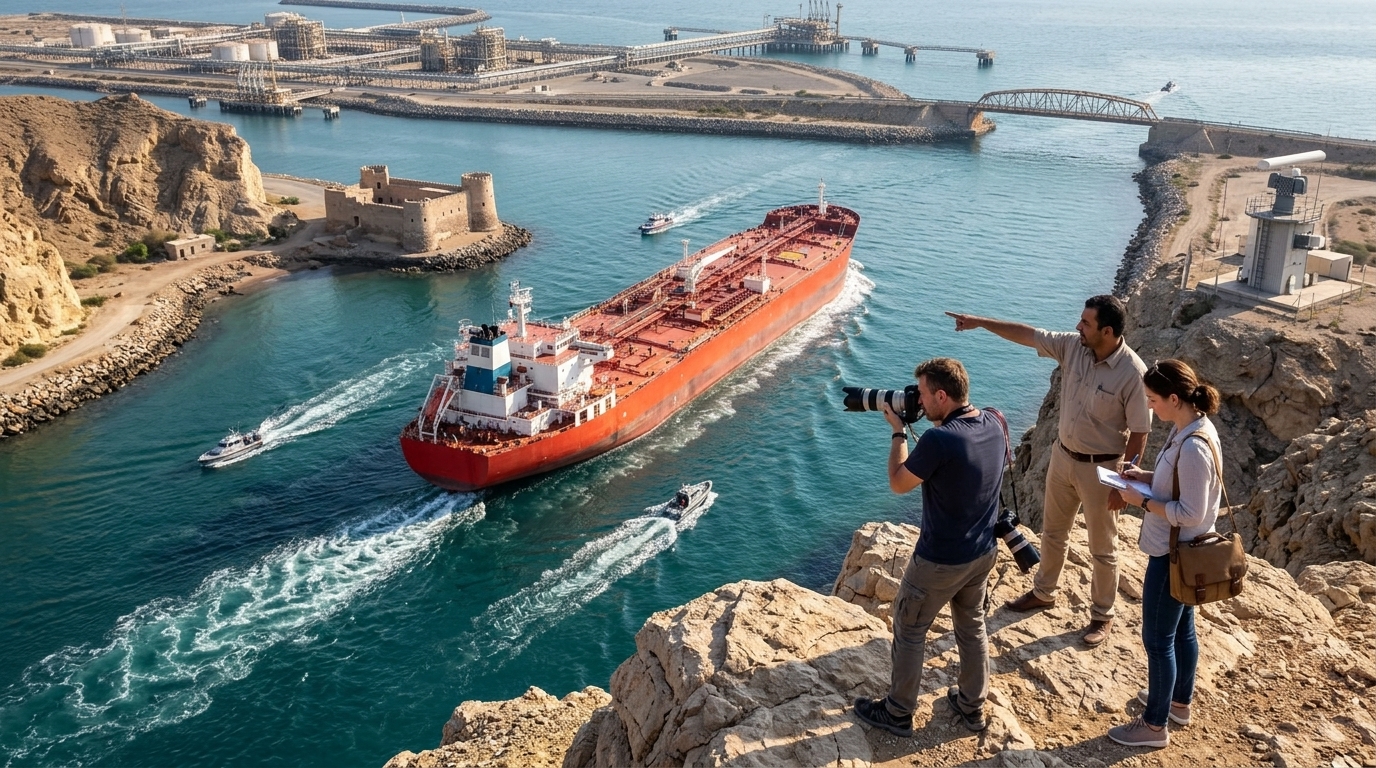
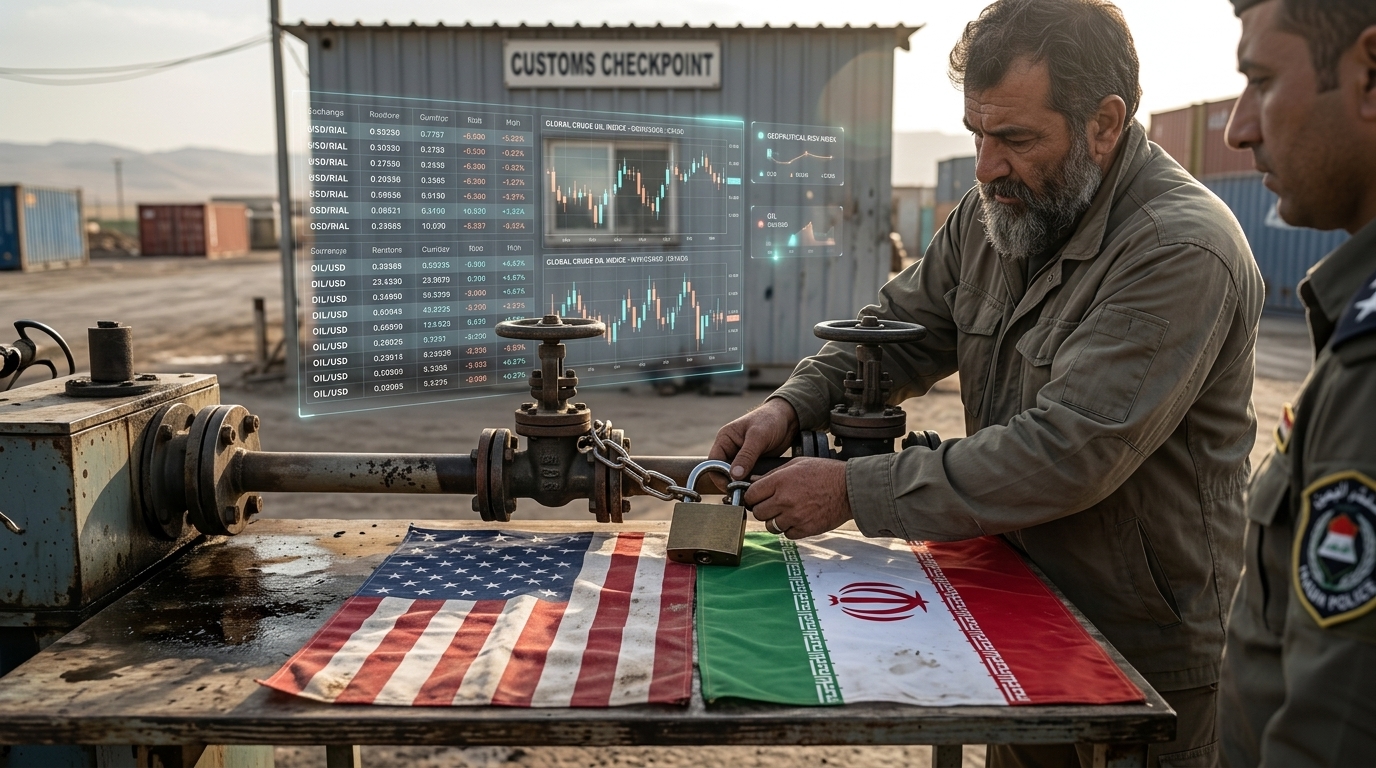
This internal bleeding is reflected in the polls. Trump's popularity in the Rust Belt states, where aversion to foreign adventures is intense, is in a tailspin. Voters who trusted him to bring jobs back to America now see billions of dollars flowing into a conflict with no clear end date, while fuel prices at the pump have skyrocketed due to instability in the Strait of Hormuz.
Geopolitical Isolation and the New Axis
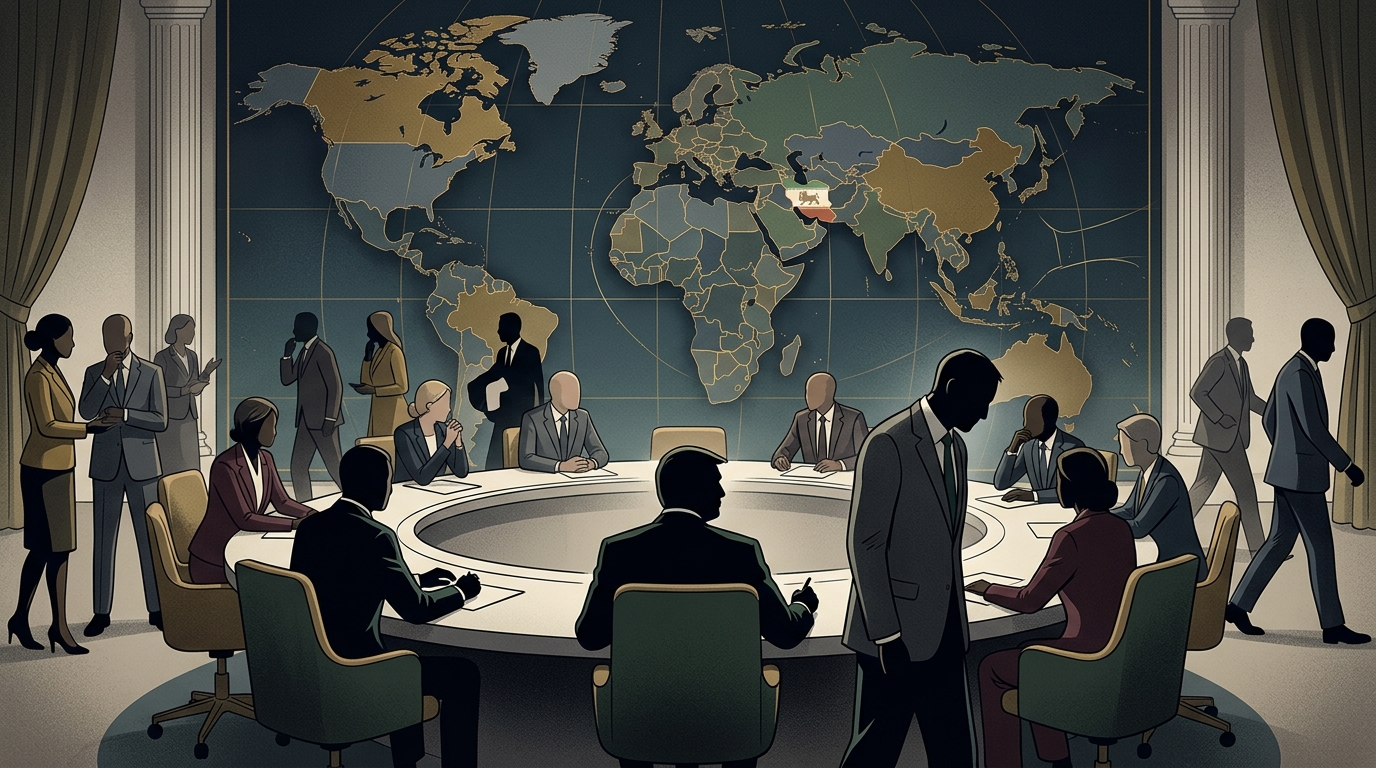
Internationally, Washington is discovering with horror that traditional allies are unwilling to follow. The European Union, concerned about a new refugee crisis and its energy security, is keeping its distance, while China and Russia are exploiting the vacuum to deepen their ties with Tehran. The signing of new military cooperation agreements between Moscow and Tehran suggests that Iran is no longer an isolated player, but part of a broader front challenging American hegemony.
- The failure of sanctions to break the Tehran regime.
- The increasing US dependence on regional players like Saudi Arabia, who are now demanding high-cost concessions.
- The risk of a nuclear accident or an uncontrolled escalation that could drag the entire region into war.
As we approach the 2026 midterm elections, Donald Trump finds himself in a political vise. If he retreats, he will look weak against a "dictator." If he escalates, he risks permanently losing his base and plunging the global economy into recession. The road to Tehran is proving much more difficult than the maps in the Oval Office predicted, and history may record this crisis as the beginning of the end for the "America First" doctrine as we knew it.