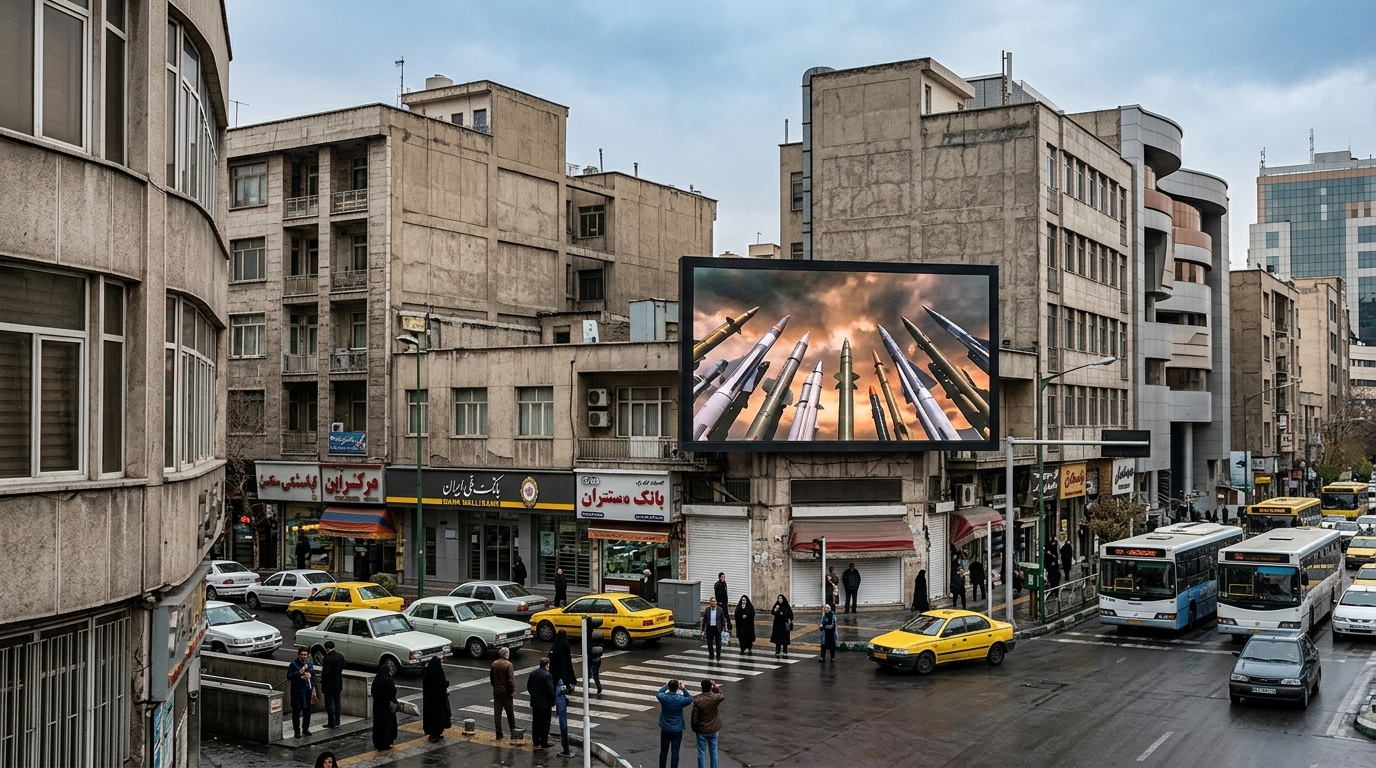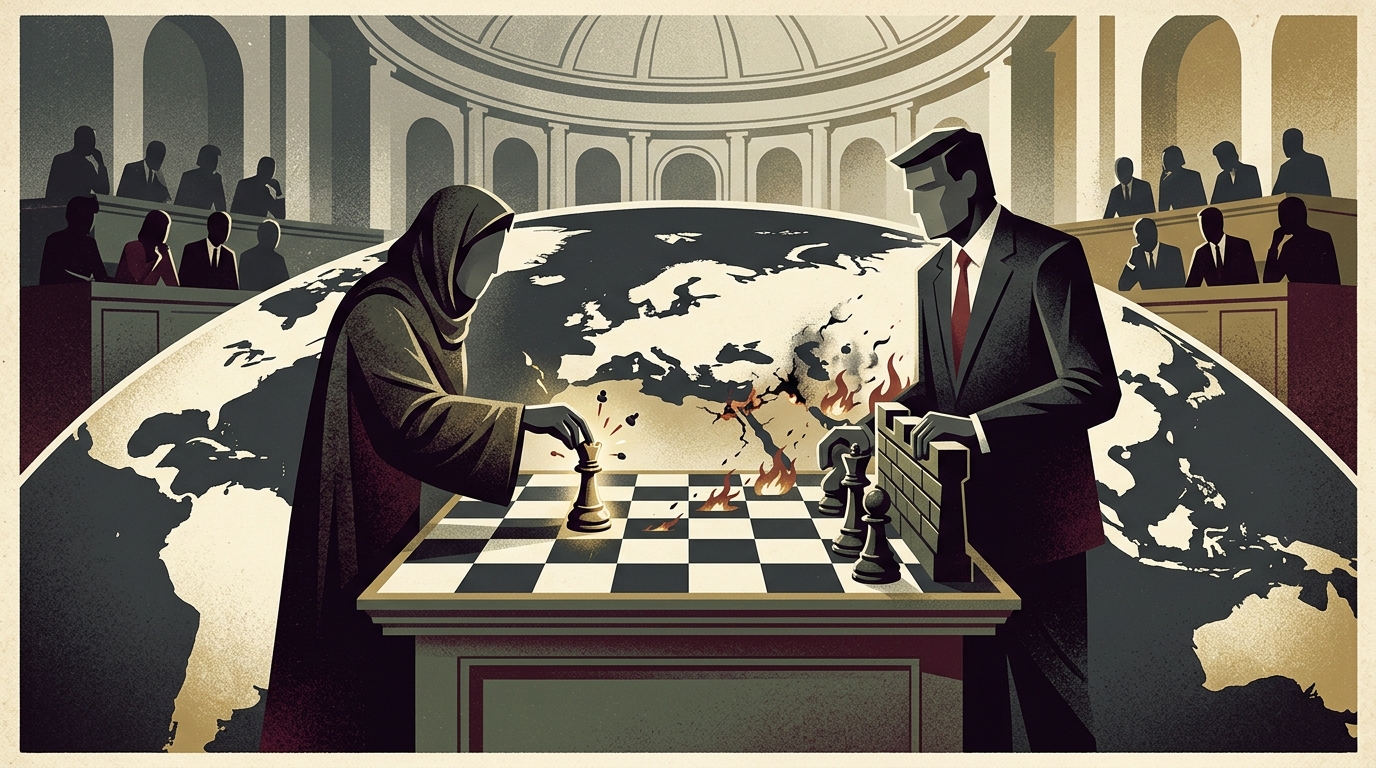
The international community is watching with bated breath a dangerous game of geopolitical poker, where the stakes are no longer merely diplomatic, but military and existential. President Donald Trump's recent refusal to pursue any form of agreement with Tehran, coupled with a hardening of his stance in the Persian Gulf, has triggered a series of furious reactions from the Iranian leadership. Warnings of "surprises beyond imagination" are no longer mere rhetoric; they are a clear signal that Tehran is prepared to use asymmetric means to counter the "maximum pressure" policy.
The Strategy of Total Rupture
The White House's stance in 2026 is reminiscent of the most intense moments of Trump's first term, but with an added dose of confidence and resolve. The rejection of a deal is not just a tactical move; it is the expression of a deep-seated belief that Tehran can only be broken through economic and military strangulation. Trump, faithful to the "America First" doctrine, seems to believe that time is on the side of the U.S., as the Iranian economy suffers from hyperinflation and social unrest.
However, this approach ignores the historical capacity of the Iranian regime to survive under conditions of isolation. Analysts point out that the lack of a diplomatic exit leaves Tehran with only one option: escalation. When a player feels they have nothing to lose, their moves become unpredictable and extremely dangerous for regional stability.
Tehran's 'Surprises': From Cyberwarfare to the Strait of Hormuz
What does Iran mean when it speaks of "surprises"? The answer lies in the doctrine of asymmetric warfare that the Country of the Ayatollahs has developed over decades. Security experts warn of three potential scenarios:
- Large-scale Cyberattacks: Iran has invested billions in cyberwarfare capabilities, targeting critical infrastructure in the West, from power grids to financial systems.
- Blockade of the Strait of Hormuz: A move that would cause a global economic shock, as one-fifth of the world's oil consumption passes through this narrow waterway.
- Activation of Proxies: Hezbollah in Lebanon, the Houthis in Yemen, and Shia militias in Iraq constitute Tehran's "long arm," capable of striking U.S. and allied targets across the region.
The reference to surprises "beyond imagination" might also hint at progress in the country's nuclear program. Despite sanctions, Tehran continues to enrich uranium, reaching levels that cause alarm in Jerusalem and Washington.
The Withdrawal from Germany: A Message to NATO
Simultaneously, Trump's decision to withdraw 5,000 troops from Germany adds a new layer of complexity. This move is interpreted as an attempt to redistribute U.S. forces toward the Indo-Pacific, but also as a punitive action against Berlin for its defense spending levels. For Europe, the weakening of the American presence at a time when the Middle East is on fire is extremely worrying.
"European security can no longer be taken for granted through American protection. The world is changing, and old alliances are being tested in practice," says a senior EU diplomat.
This withdrawal also sends a message to Tehran: The U.S. is willing to shift its strategic footprint globally, which can be interpreted either as weakness or as a regrouping for a more targeted conflict.
Conclusion: The Risk of Miscalculation
The greatest risk at this stage is not a pre-planned war, but a "war by accident." With both sides using extreme rhetoric and mobilizing forces, a small incident in the Persian Gulf or a misunderstanding at the intelligence level could lead to an uncontrollable conflagration. History has shown that "surprises" in war rarely have a positive outcome for those who provoke them, nor for those who suffer them. Diplomacy appears to have died, and in its place, only the echo of threats remains.