The geopolitical temperature in the Middle East is once again reaching a boiling point, as Tehran and Washington appear to be abandoning the language of diplomacy in favor of military deterrence. The recent rejection of an Iranian proposal by the Donald Trump administration in May 2026 marks a dangerous pivot in an already fragile relationship. Statements from top Iranian officials regarding 'surprise measures' are not merely rhetorical flourishes but a clear warning that the Islamic Republic's strategic patience is wearing thin.
The Diplomatic Deadlock and Trump's Hardline Stance
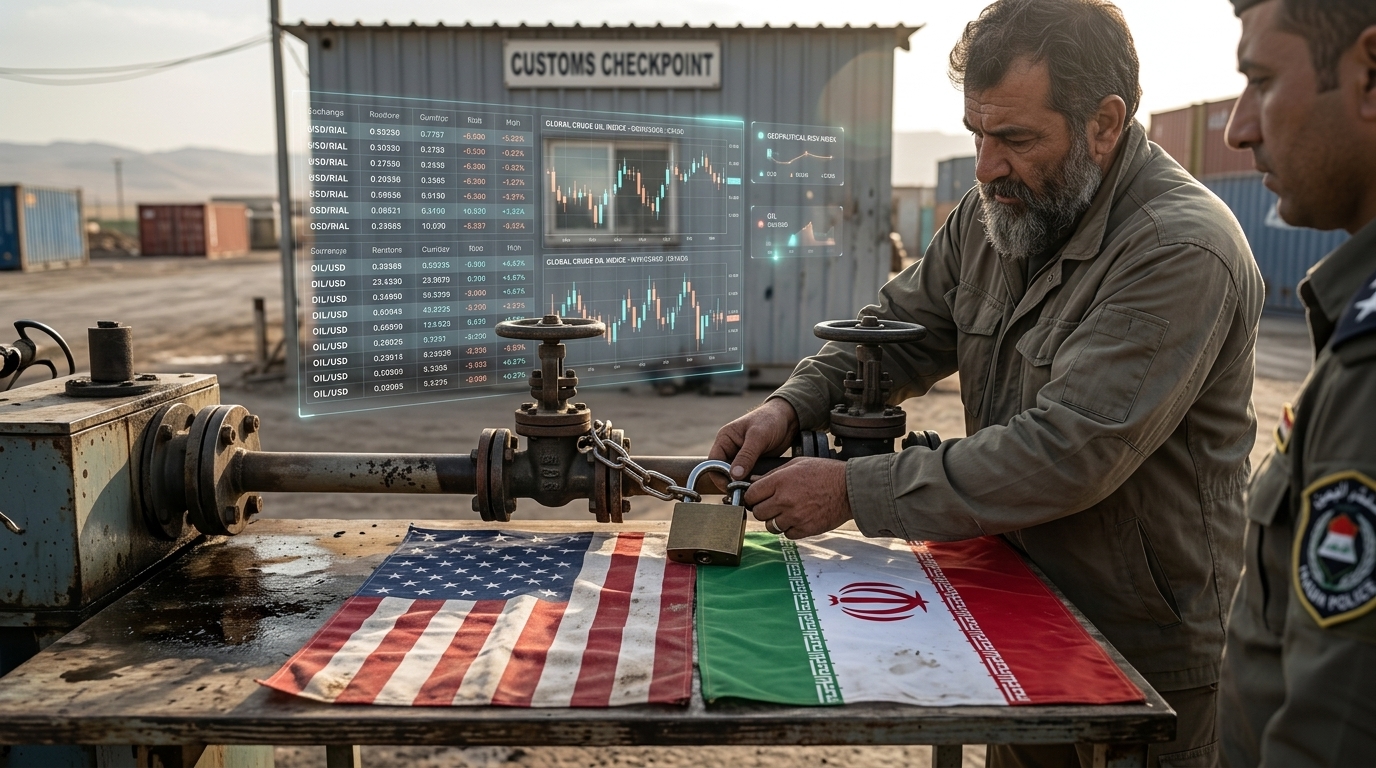
The proposal submitted by Tehran, which reportedly included restrictions on its uranium enrichment program in exchange for partial sanctions relief on the oil sector, hit a brick wall in the White House. President Trump, adhering to his 'Maximum Pressure 2.0' doctrine, appears to be seeking a total capitulation from Iran—one that would encompass not only its nuclear program but also its ballistic missile arsenal and its regional influence through proxies.
This rejection leaves the Iranian leadership with limited options. Domestically, hardliners are gaining ground, arguing that diplomacy with the West is a futile exercise. The threat of 'surprise measures' suggests a shift toward asymmetric action, which has historically been Tehran's strongest hand during times of crisis.
What Do 'Surprise Measures' Entail?
When Tehran speaks of surprises, analysts look toward three potential fronts:
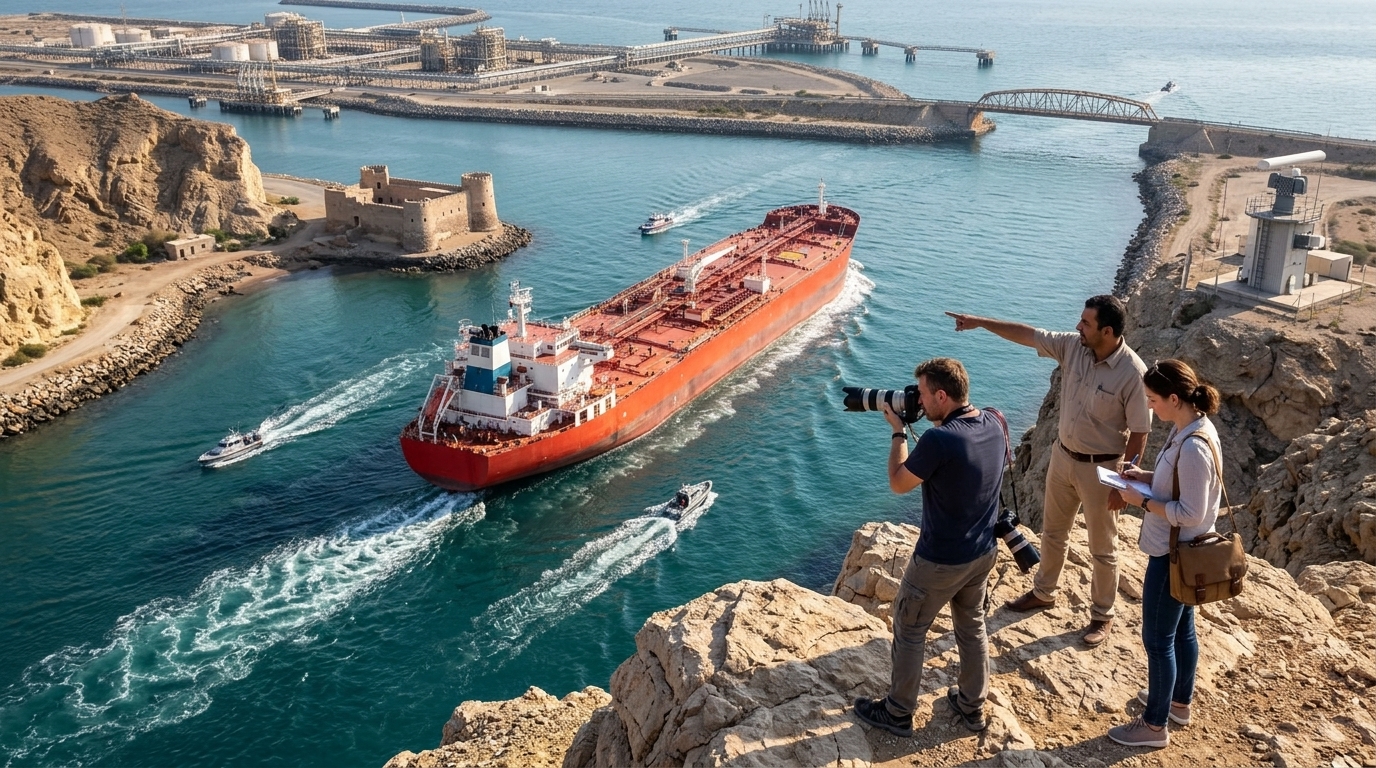
- The Strait of Hormuz: The threat of disrupting navigation in the world's most critical energy transit artery remains the 'nuclear option' of Iranian economic diplomacy.
- Cyber Warfare: Iranian cyber capabilities have evolved significantly, targeting critical infrastructure in the US and among its regional allies.
- Regional Escalation: Activating the 'Axis of Resistance' from Lebanon and Syria to Yemen could create multiple flashpoints, forcing Washington to overstretch its military assets.
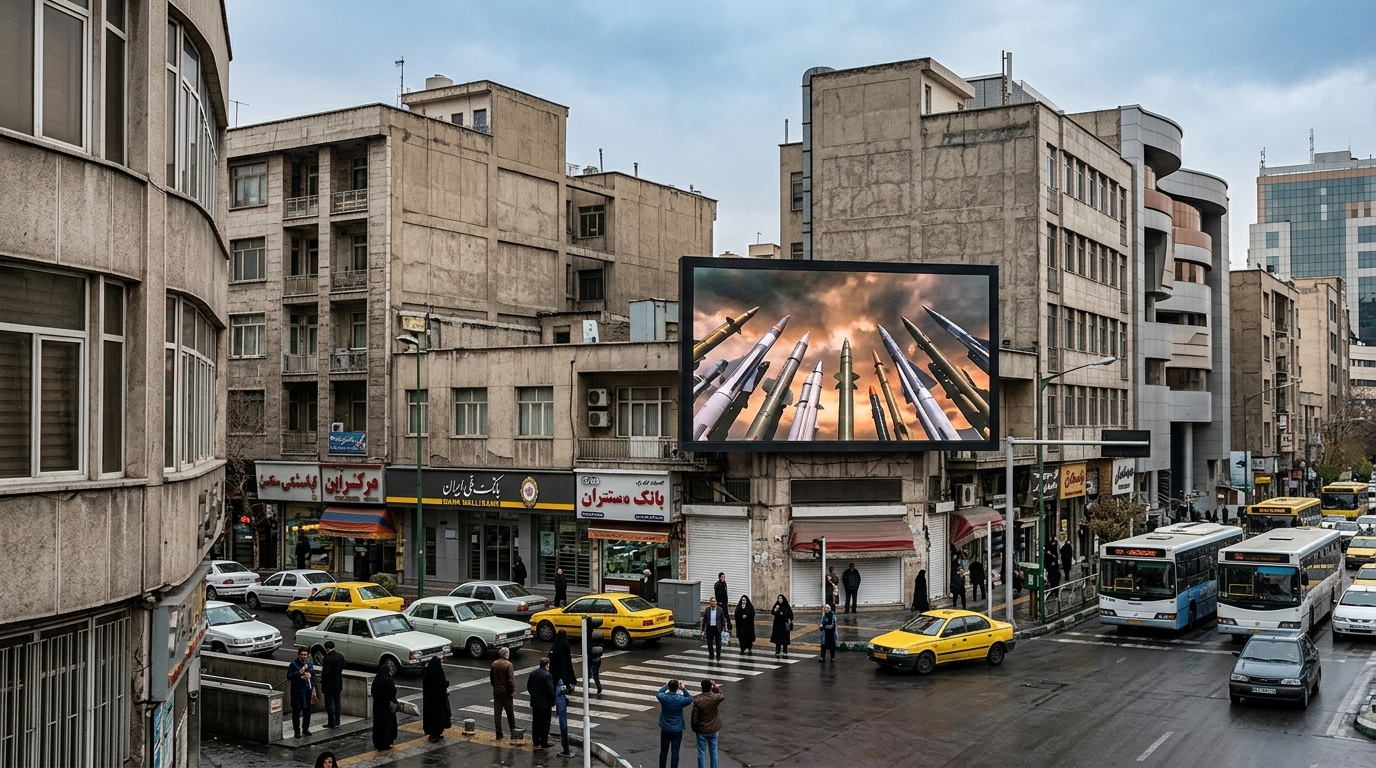
The use of the term 'surprise' also implies the possibility of technological reveals in the fields of drones or hypersonic missiles, sectors where Iran has invested billions despite international sanctions.
Israel's Position and the Gulf Allies
Israel is monitoring developments with extreme concern. For Jerusalem, any escalation between the US and Iran is a double-edged sword. On one hand, weakening Tehran is a strategic goal; on the other, the possibility of a direct strike from Iranian proxies is more visible than ever. At the same time, Gulf nations like Saudi Arabia and the UAE find themselves in a precarious balancing act, trying to avoid becoming the battlefield for a broader conflict.
"History teaches us that in the Middle East, a diplomatic vacuum is always filled with gunpowder. The current absence of communication channels between Washington and Tehran is the most dangerous in decades," notes a senior diplomatic analyst.
Conclusion: Toward an Uncontrollable Conflict?
The international community is watching with bated breath. The probability of an accidental incident triggering a generalized conflict is higher than ever. Donald Trump is betting on Iran's economic collapse, while Tehran is betting on its resilience and its ability to inflict pain on its adversaries through asymmetric means. In this game of geopolitical poker, 'surprise measures' may be the final move before the situation spirals out of control.