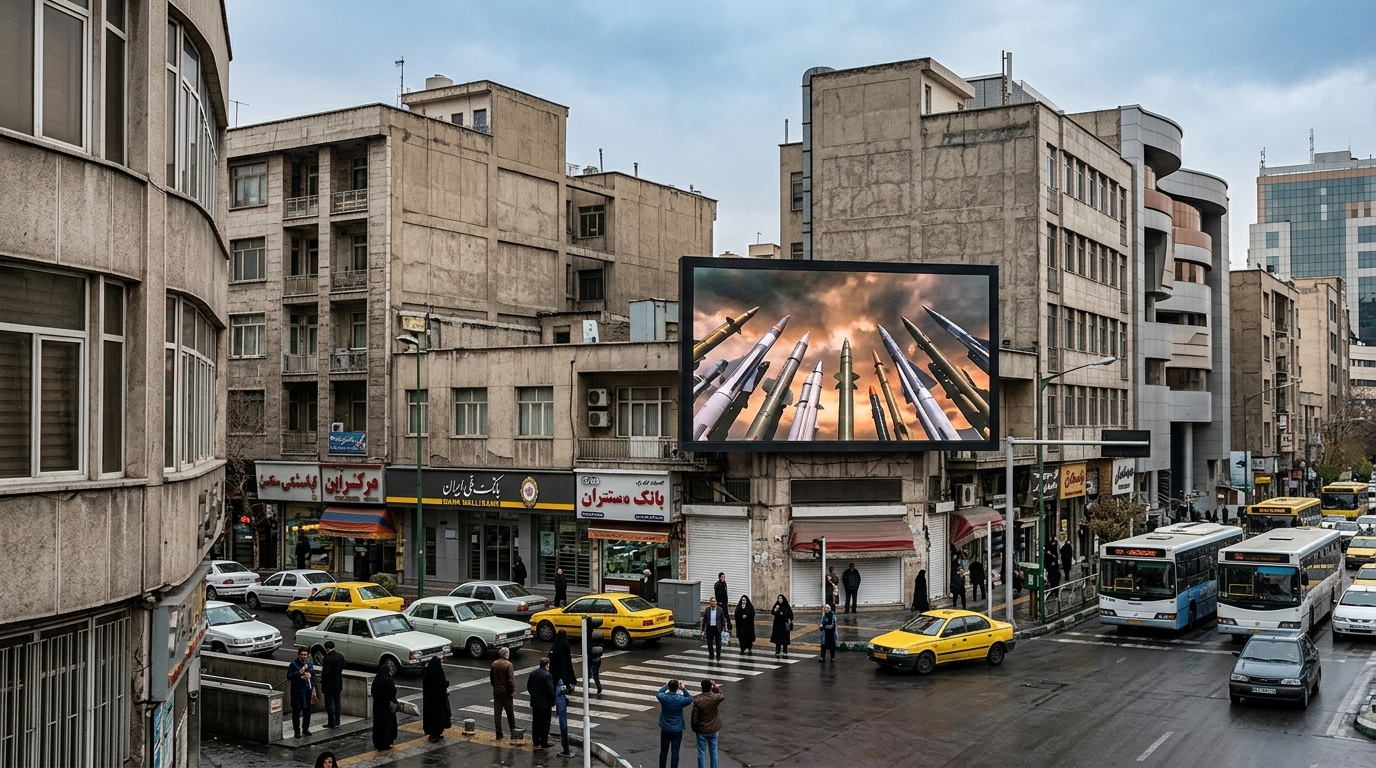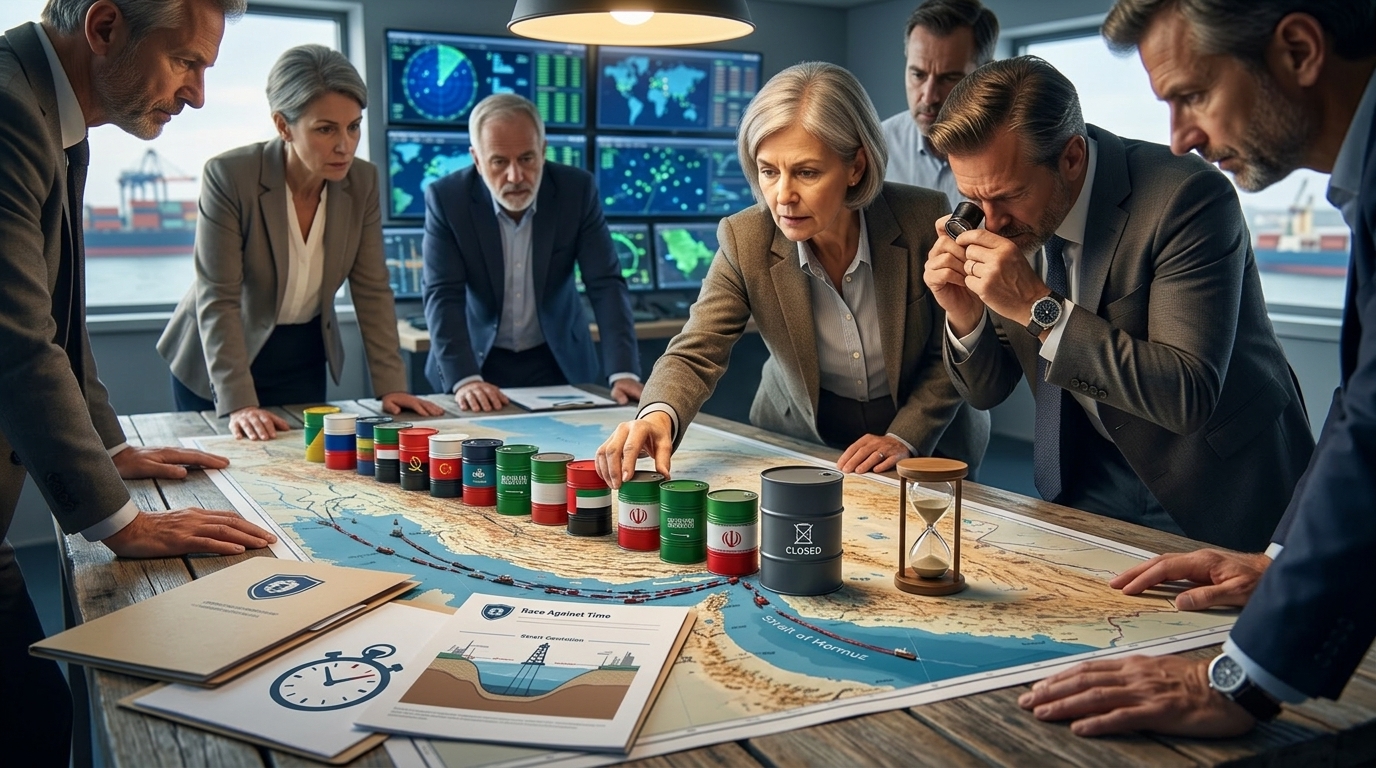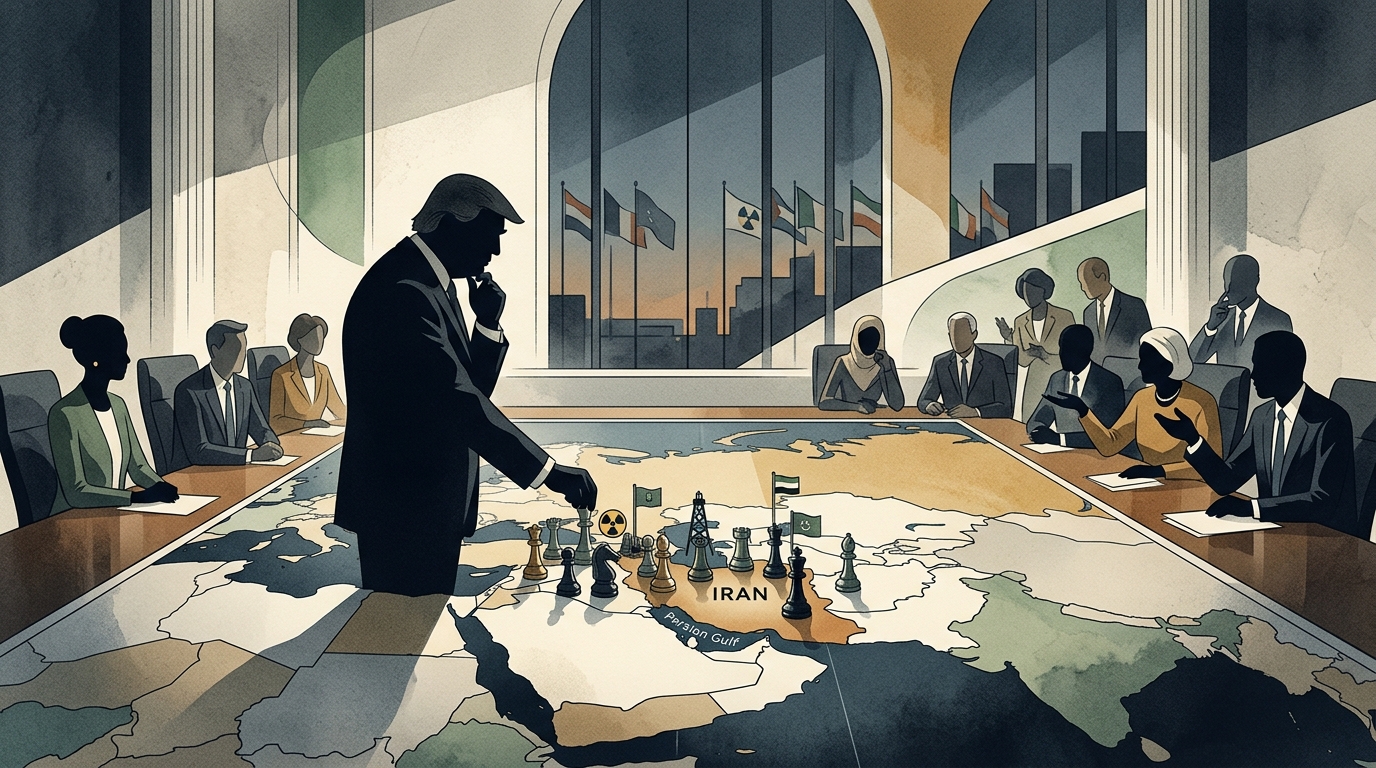
As we navigate May 2026, the geopolitical atmosphere in the Middle East remains electric, with the conflict between the United States and Iran entering its third month with no visible end in sight. A recent, penetrating analysis by Reuters sheds light on a reality that the Trump administration is struggling to manage: instead of the swift capitulation of Tehran predicted by Washington's hawks, the American president faces a strategic stalemate that threatens to leave him in a worse position than before the hostilities began.
The 'Maximum Pressure 2.0' strategy appears to be hitting a new regional reality. Despite U.S. technological superiority and targeted strikes against Iranian infrastructure, Tehran has demonstrated a remarkable ability to absorb shocks, relying on a network of proxies and a strengthened alliance with China and Russia. The analysis underscores that the lack of an 'exit strategy' is turning what Trump hoped would be a show of force into a test of endurance that America may not be prepared to win.
The Illusion of Decisive Victory
When operations began, White House rhetoric focused on the need to 'restore deterrence.' However, two months later, deterrence seems more fragile than ever. Iran, rather than retreating, has escalated its activities in the Strait of Hormuz and intensified its nuclear program, using it as leverage. According to Reuters, the Trump administration underestimated the internal cohesion of the Iranian regime in the face of an external threat.
Furthermore, the use of military force without clear diplomatic goals has created confusion among U.S. allies in the region. While Israel and certain Gulf states initially supported the tough stance, they are now expressing concerns about the economic fallout and the risk of an all-out war that could destabilize their own economies. The absence of a 'grand bargain' on the horizon makes the conflict a costly exercise without a clear benefit.
The Diplomatic Vacuum and the Eastern Pivot
Perhaps the most concerning aspect of the analysis is how the conflict has brought Tehran closer to Beijing and Moscow. China, seeking energy security and wanting to challenge American hegemony, has offered an economic lifeline to Iran, bypassing sanctions through alternative payment systems. Russia, for its part, provides technical and intelligence support, turning Iran into a testing ground for countering Western weapons systems.
- The strengthening of the Tehran-Beijing axis undermines the effectiveness of U.S. sanctions.
- Moscow uses the conflict to distract from the Eastern European front.
- European allies remain on the sidelines, concerned about a new refugee crisis.
"Trump promised to end 'forever wars,' but the current trajectory with Iran suggests he is creating a new, more complex, and potentially more dangerous one," a senior diplomat states in the Reuters report.
The Domestic Political Cost
Domestically, Trump's base is beginning to show signs of fatigue. The 'America First' promise clashes with the enormous cost of maintaining an increased military presence in the Persian Gulf. Energy prices, though controlled for now, remain volatile, affecting the cost of living for American citizens. The analysis points out that if the conflict continues without a 'victory' that can be sold to the domestic audience, Trump risks losing his political momentum ahead of future electoral contests.
In conclusion, the conflict with Iran is emerging as a critical turning point for Donald Trump's second term. Instead of imposing his will, he finds himself trapped in a dynamic where Iran has less to lose and America has more to risk. The possibility of Washington emerging from this crisis with diminished prestige and limited options is now a visible scenario that the Reuters analysis urgently places on the discussion table.