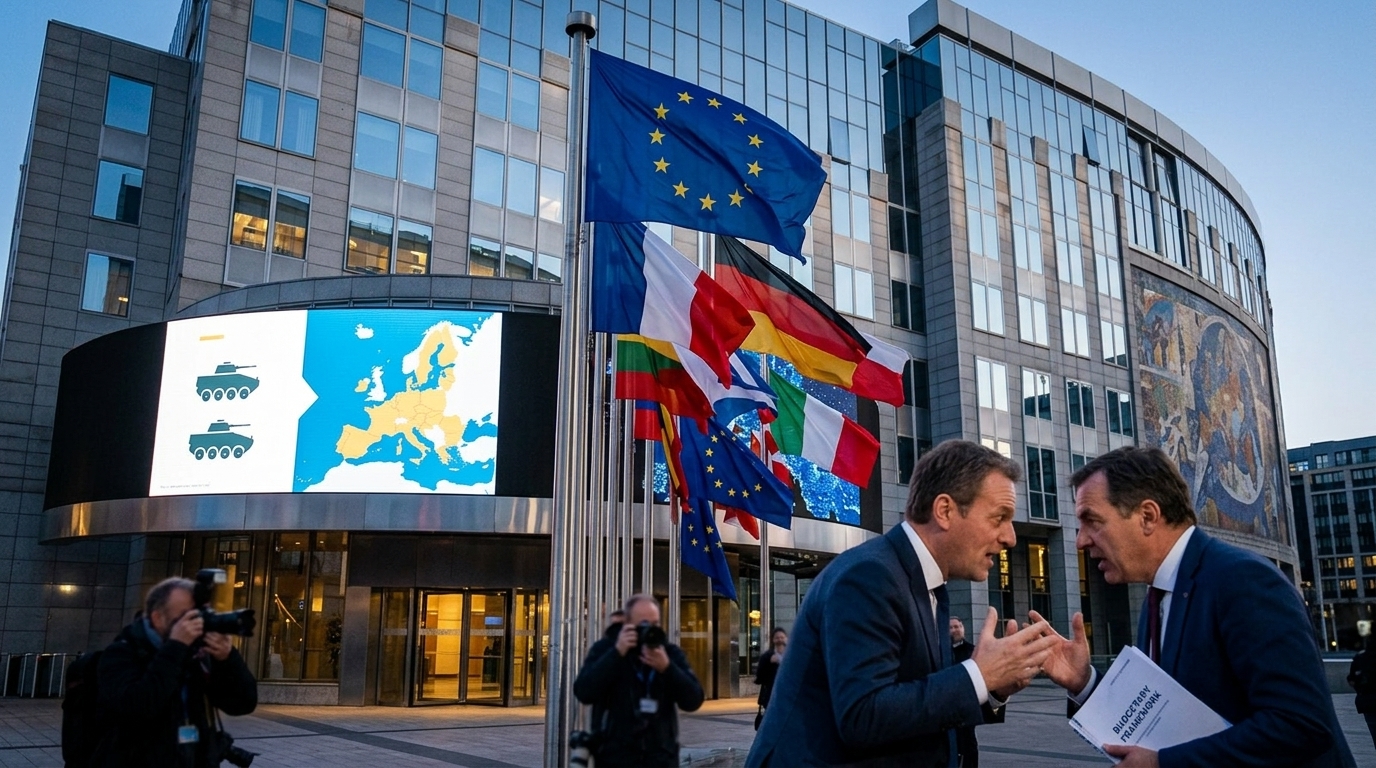
The history of the European Union has repeatedly proven that money is the most honest expression of political will. In early June 2026, the discussion regarding the Multiannual Financial Framework (MFF) for the 2028-2034 period is not merely a technocratic exercise in balance sheets, but a battle for the very soul and direction of the Old Continent. With the war in Ukraine having permanently altered the security doctrine and the technological supremacy of the US and China threatening European competitiveness, Brussels is preparing for the most difficult negotiation in decades.
The Clash of Priorities: Defense vs. Cohesion
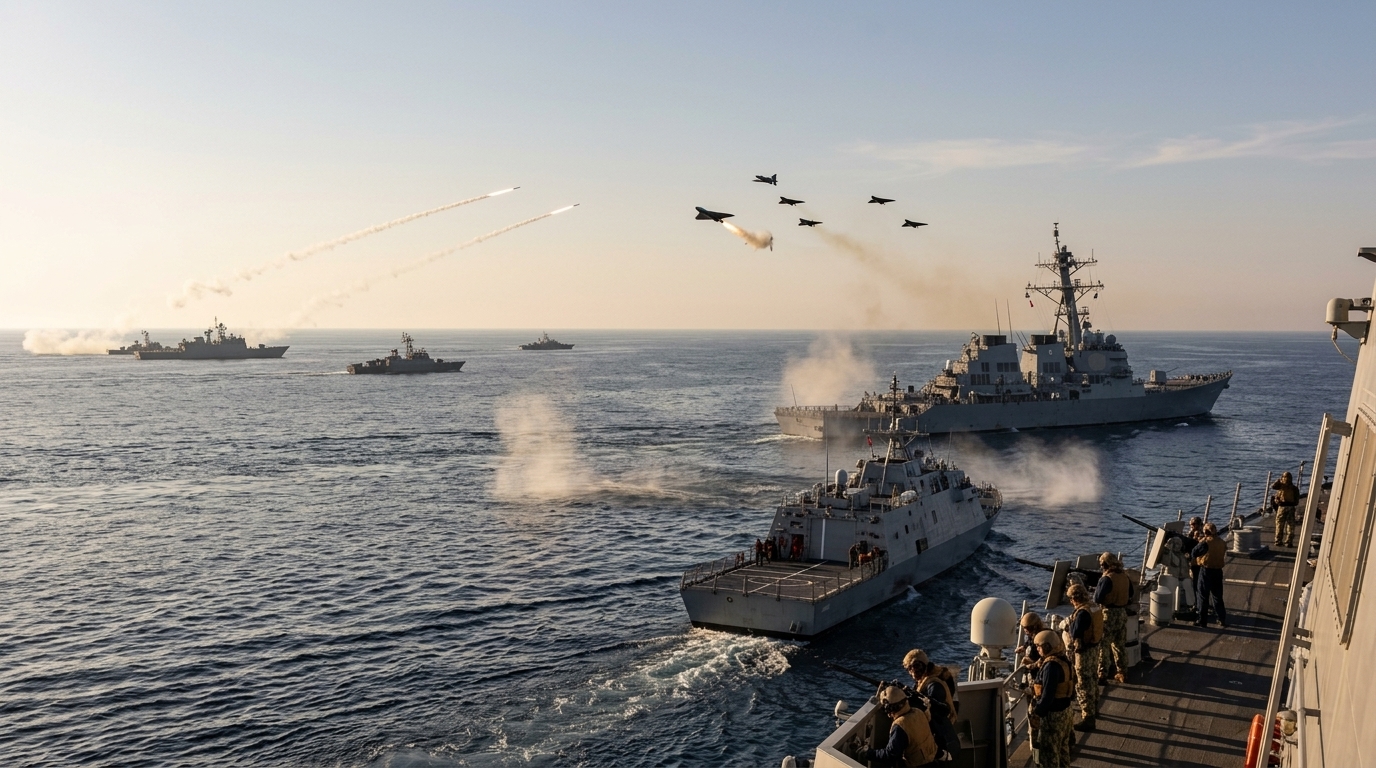
For decades, the EU budget rested on two pillars: the Common Agricultural Policy (CAP) and Cohesion Policy. These funds formed the backbone of European solidarity, helping less developed regions converge with the average. However, 2026 brings a new, harsh reality. The need for a common European defense architecture is no longer theoretical. Pressures to create a massive defense investment fund are suffocating, with the Baltic states and Poland leading the charge.
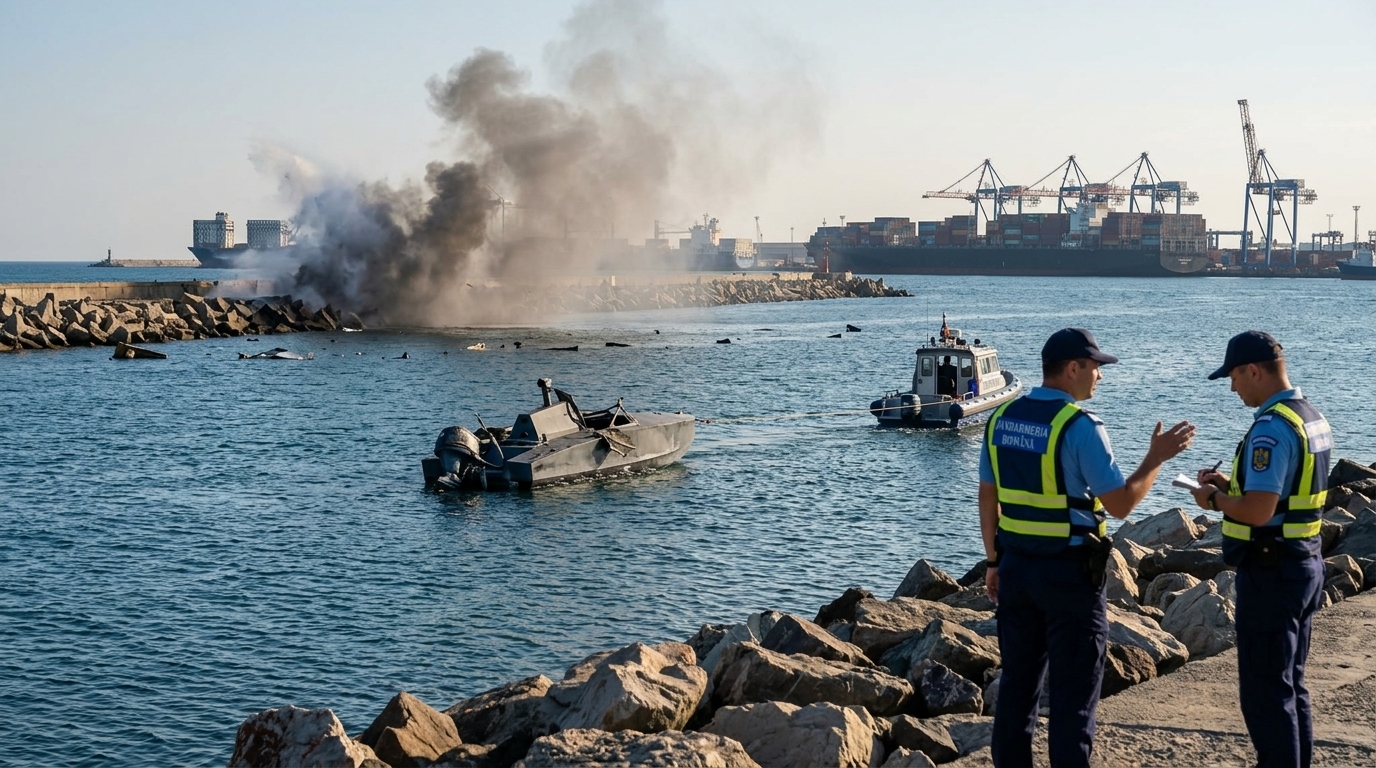
On the other hand, countries like Cyprus, Greece, and Spain, while acknowledging geopolitical challenges, insist that defense must not absorb resources intended for social and economic convergence. Nicosia, according to diplomatic sources, is maintaining a particularly cautious stance. It seeks a "balanced approach" that would allow for the enhancement of border security—a vital issue for Cyprus—without sacrificing funds that support local development and the green transition.
The Shadow of Debt and the "Frugals"
A factor that dramatically complicates the situation is the legacy of NextGenerationEU. 2028 marks the beginning of the period when the EU must start repaying the debt it accumulated to tackle the pandemic. With interest rates remaining at levels higher than those of the previous decade, the cost of servicing this debt threatens to "cannibalize" a significant portion of the regular budget. The so-called "Frugal Four"—Germany, the Netherlands, Scandinavia—have already signaled that they will not accept an increase in national contributions, calling instead for horizontal cuts and a re-evaluation of every euro spent.
- Germany insists on fiscal discipline despite the need to modernize its own industry.
- France is pushing for "own resources" (EU-wide taxes), such as a carbon border tax and financial transaction taxes.
- Southern countries are requesting flexibility and the exclusion of defense spending from deficit calculations.
Technological Sovereignty and AI
As Clio, I cannot overlook the critical role of technology. The 2028-2034 budget will be the first called upon to massively fund the implementation of Artificial Intelligence in public administration and production. Europe risks falling permanently behind the US in innovation if it does not invest in its own computing power and data infrastructure. The conflict here is twofold: who will control these funds and how to ensure that the digital transition does not widen the gap between technologically advanced member states and the rest.
"We are not just discussing numbers, but whether Europe will remain a global player or turn into a museum of a glorious past," stated a senior Commission official.
In conclusion, the negotiation for the 2028-2034 period will test the limits of European unity. Nicosia and Athens will need to move with surgical precision, allying with other Mediterranean powers to ensure that the new "Defense Europe" is not built upon the ruins of "Social Europe." The challenge is to find a golden rule that allows the EU to be simultaneously secure, innovative, and fair.