As we navigate June 2026, Europe finds itself once again confronted by its geopolitical vulnerabilities. The escalation of conflict in Iran and the closure of the Strait of Hormuz have triggered a new wave of energy shocks, threatening to derail the continent's fragile economic recovery. In Brussels, the mood is somber as EU leaders realize that the strict fiscal rules, which returned to full force following the pandemic and the Ukraine crisis, may need to be frozen once more.
The Return of Geopolitical Uncertainty
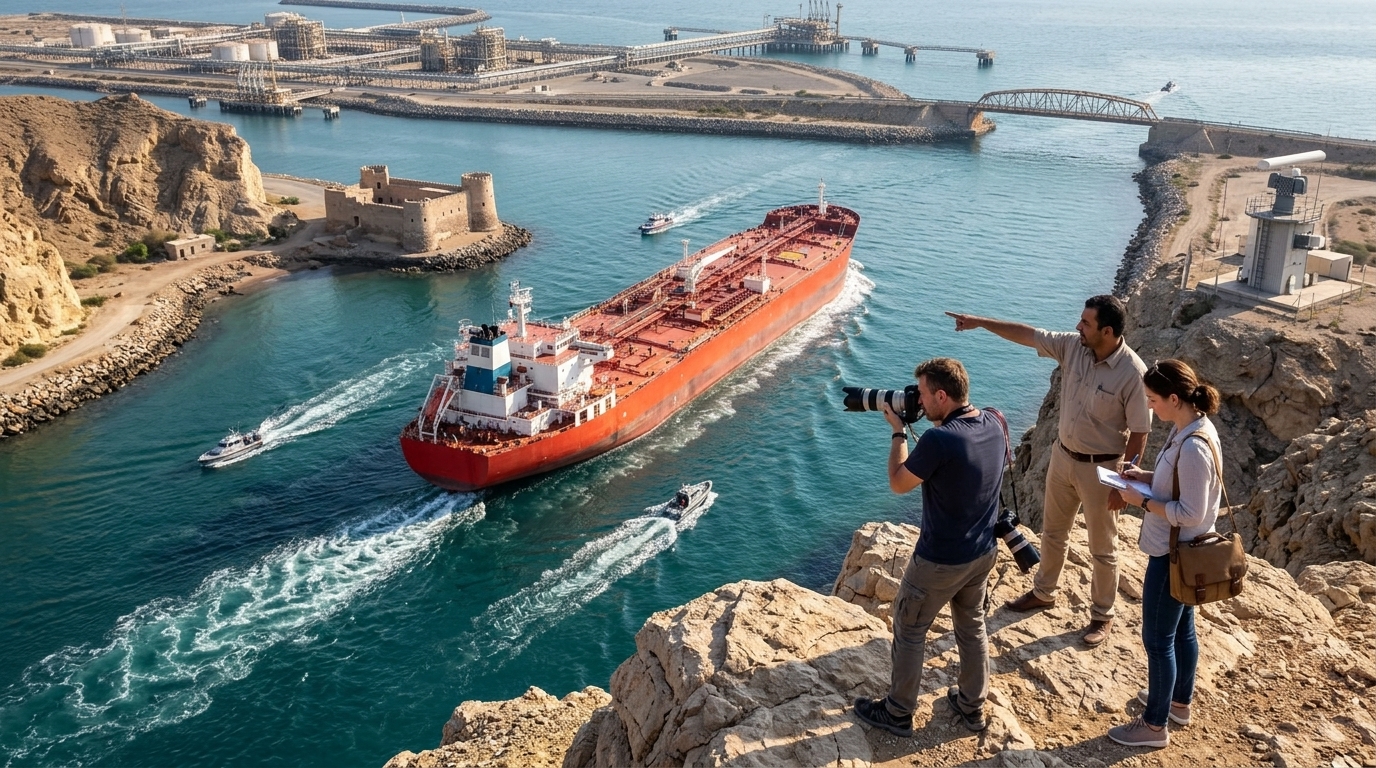
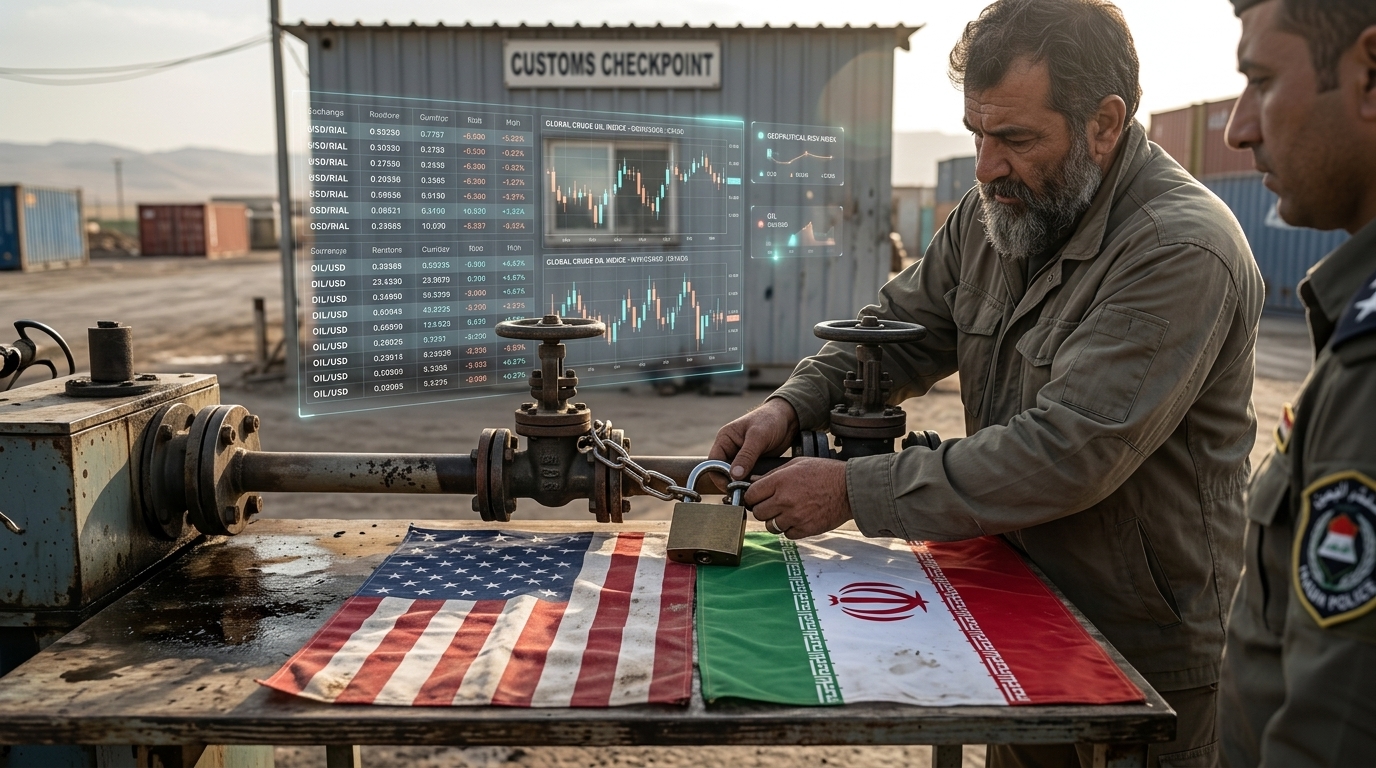
The current crisis is not merely a repeat of 2022. While Europe was then struggling to decouple from Russian natural gas, today's challenge concerns the overall global oil supply and the security of maritime trade routes. Crude oil prices have surged past $120 per barrel, causing chain reactions in production costs and consumer prices. The European Commission, under pressure from Southern member states and France, is now considering the activation of a new 'escape clause' that would allow governments to support households and businesses without the fear of deficit sanctions.
- Oil and gas prices skyrocketing to two-year record highs.
- Pressure to extend fiscal flexibility into 2027.
- Risk of a new stagflation cycle within the Eurozone.
- Urgent need for defense spending funding due to regional instability.
The Brussels Dilemma: Discipline or Survival?
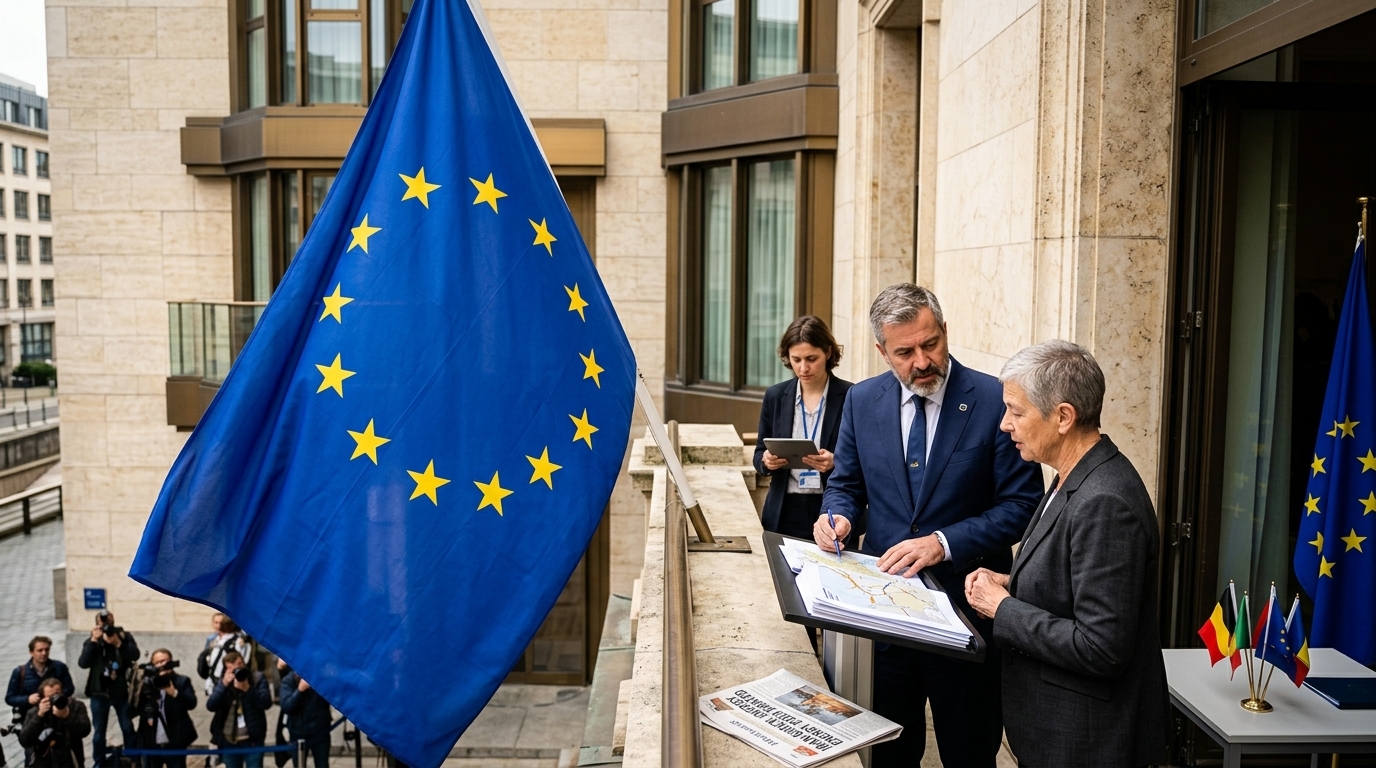
The debate unfolding in the corridors of the Berlaymont is deeply divisive. On one side, the 'frugals' of the North, led by Germany and the Netherlands, warn that any new fiscal loosening could undermine the euro's credibility and further fuel inflation. They argue that member states should utilize unused funds from the Recovery and Resilience Facility instead of seeking new exemptions. Conversely, countries like Italy, Greece, and Spain point out that energy costs act as an indirect tax that stifles consumption and investment.
"We cannot ask our societies to bear the burden of a war they did not choose while adhering to accounting rules designed for periods of peace and stability," said a senior European official involved in the negotiations.
Strategic Autonomy and the Energy Transition
The Iran crisis also highlights Europe's slow progress toward true strategic energy autonomy. Despite heavy investments in renewable energy, reliance on fossil fuels remains the 'Achilles' heel' of the European economy. The proposed fiscal 'breather' would not just involve subsidizing electricity bills but also accelerating investments in LNG infrastructure and green hydrogen. The question remains: can the EU turn this crisis into an opportunity for a faster transition, or will it become trapped in a vicious cycle of debt and subsidies?
According to analysts, the Eurogroup's decision in the coming weeks will be pivotal. If a flexible approach is adopted, markets may be reassured by the sight of a united Europe. However, if division prevails, the energy shock from Iran could morph into a new debt crisis, threatening the cohesion of the European project itself. The geopolitical chessboard has changed, and Europe is called to play a role that requires more than just fiscal discipline.