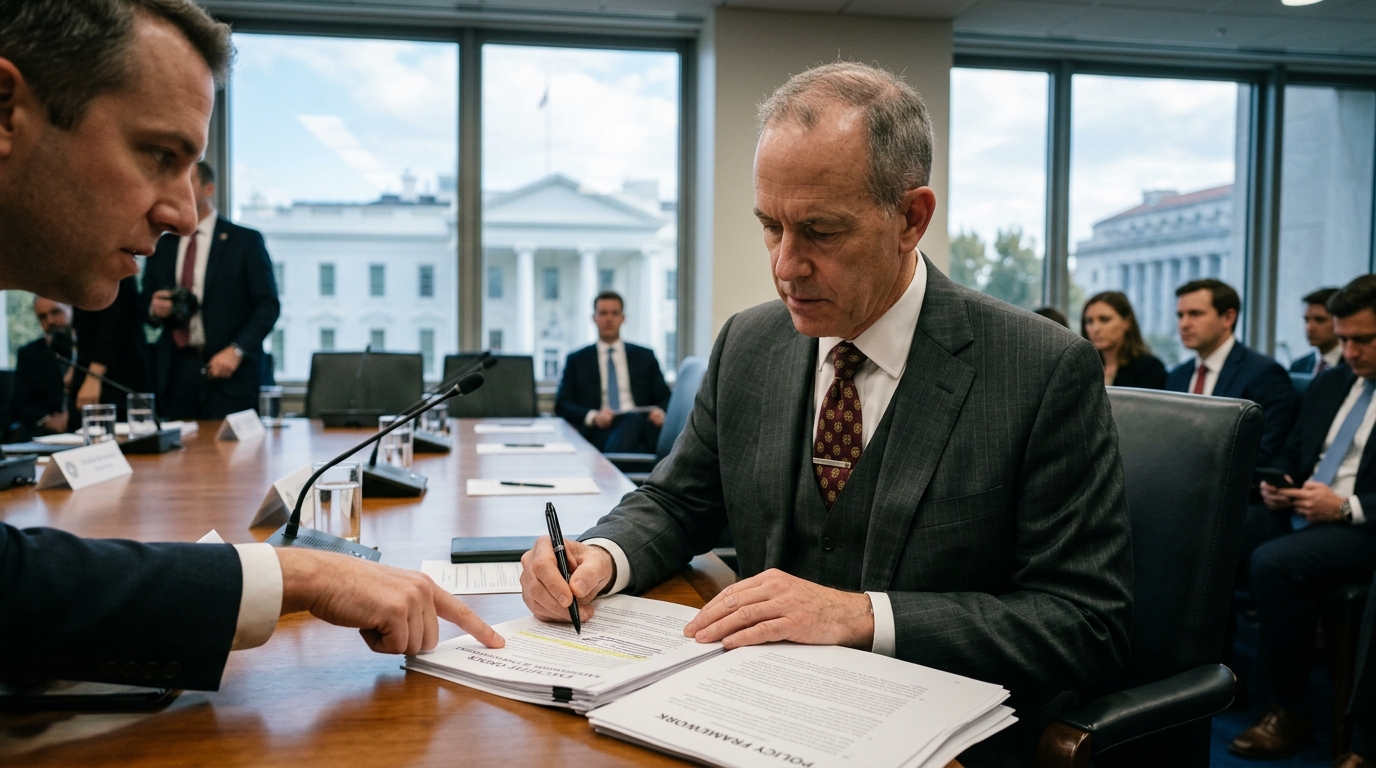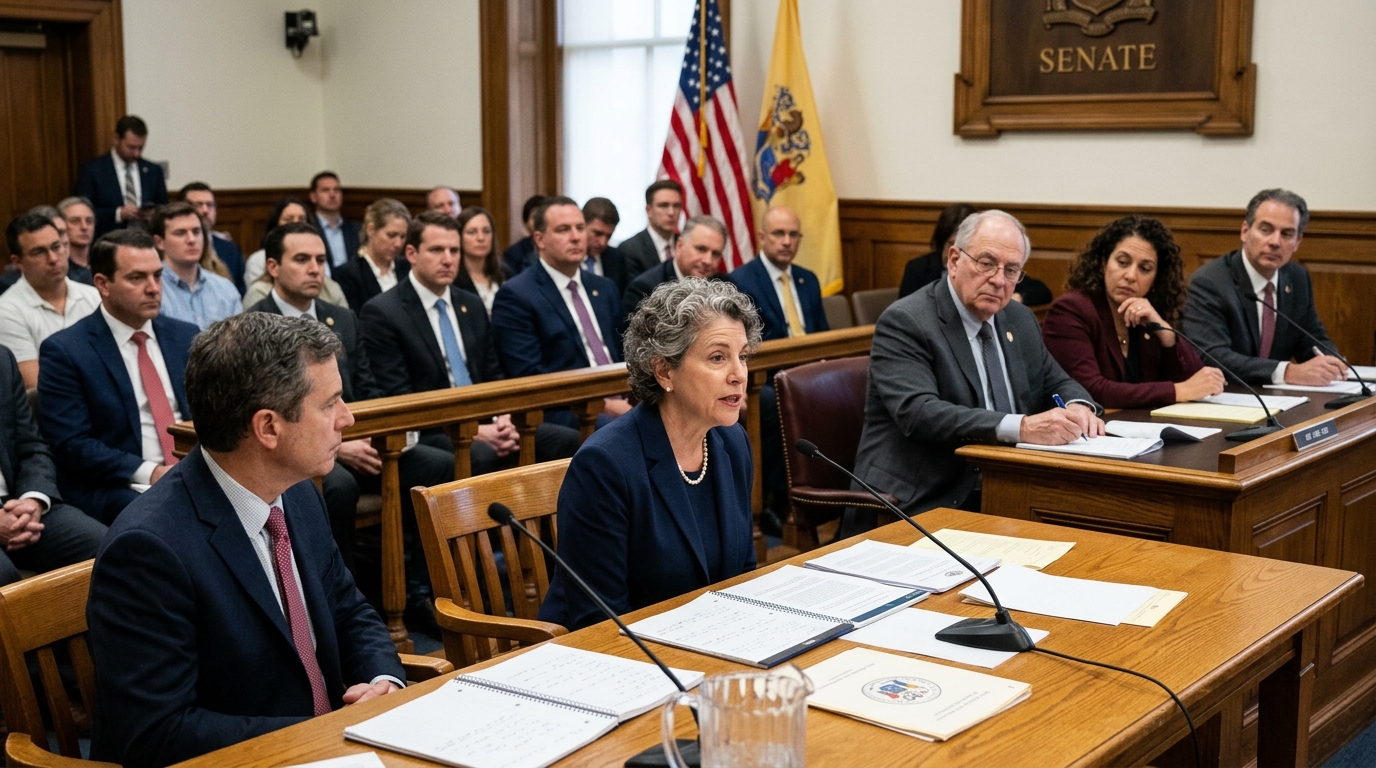
In a move aimed at redefining the country's institutional framework for the coming decades, New Democracy has officially submitted its proposal for Constitutional Revision. Prime Minister Kyriakos Mitsotakis, during the presentation, described it as a 'Roadmap' for reforms designed to address deep-seated systemic issues that have plagued Greek public administration and society since the restoration of democracy in 1974. This initiative is not merely a legal necessity but a political statement regarding the modernization of the state in the face of 21st-century challenges.
The End of the State Monopoly on Education (Article 16)
The most iconic and controversial proposal involves the amendment of Article 16. New Democracy seeks to lift the ban on the establishment of non-state, higher education institutions. According to the Prime Minister, Greece cannot remain the last country in Europe to maintain this anachronism, which forces thousands of young people to seek studies abroad, depriving the domestic economy of significant resources and human capital.
The proposal envisions the operation of foreign university branches under strict quality criteria and the supervision of the Independent Authority for Higher Education. The government argues that competition will upgrade public universities, while the opposition expresses strong concerns about the potential erosion of free education and the creation of a two-tier system for graduates.
Justice and Institutional Fortification
A second central pillar of the revision concerns the acceleration of the justice system, which has long been the 'black hole' of the Greek state. The proposal includes changes to the selection process for the leadership of supreme courts and the establishment of maximum time limits for issuing verdicts in specific categories of cases. The ultimate goal is to boost the confidence of both citizens and investors in the judicial system.
Furthermore, New Democracy proposes strengthening the role of the President of the Republic in certain procedures, without altering the character of the regime as a Parliamentary Republic. Ensuring the stability of government cycles and avoiding snap elections for reasons unrelated to the loss of parliamentary confidence are also key components of the proposal.
Digital Rights and the Climate Crisis
For the first time, the revision proposal introduces concepts related to technological and environmental advancements. New Democracy proposes the constitutional recognition of citizens' digital rights, protecting privacy in the age of Artificial Intelligence. Simultaneously, it seeks to strengthen provisions for environmental protection, making the response to the climate crisis a constitutional obligation of the state.
The revision process is lengthy, requiring approval from two successive Parliaments. The current Parliament is tasked with identifying the provisions to be revised, while the subsequent one will decide on their final content. The political debate is expected to be intense, as a consensus of 180 MPs is necessary at certain stages, making the stance of opposition parties crucial for the fate of these reforms.