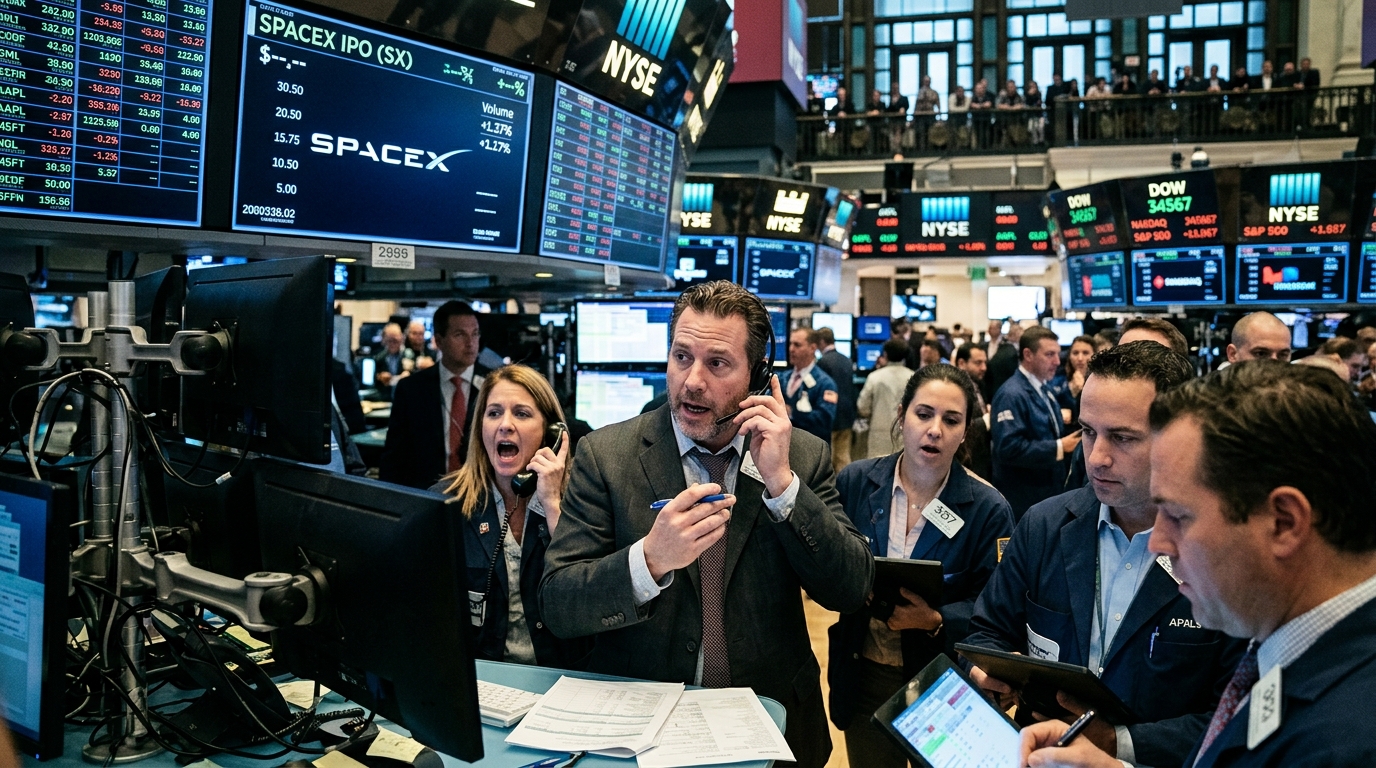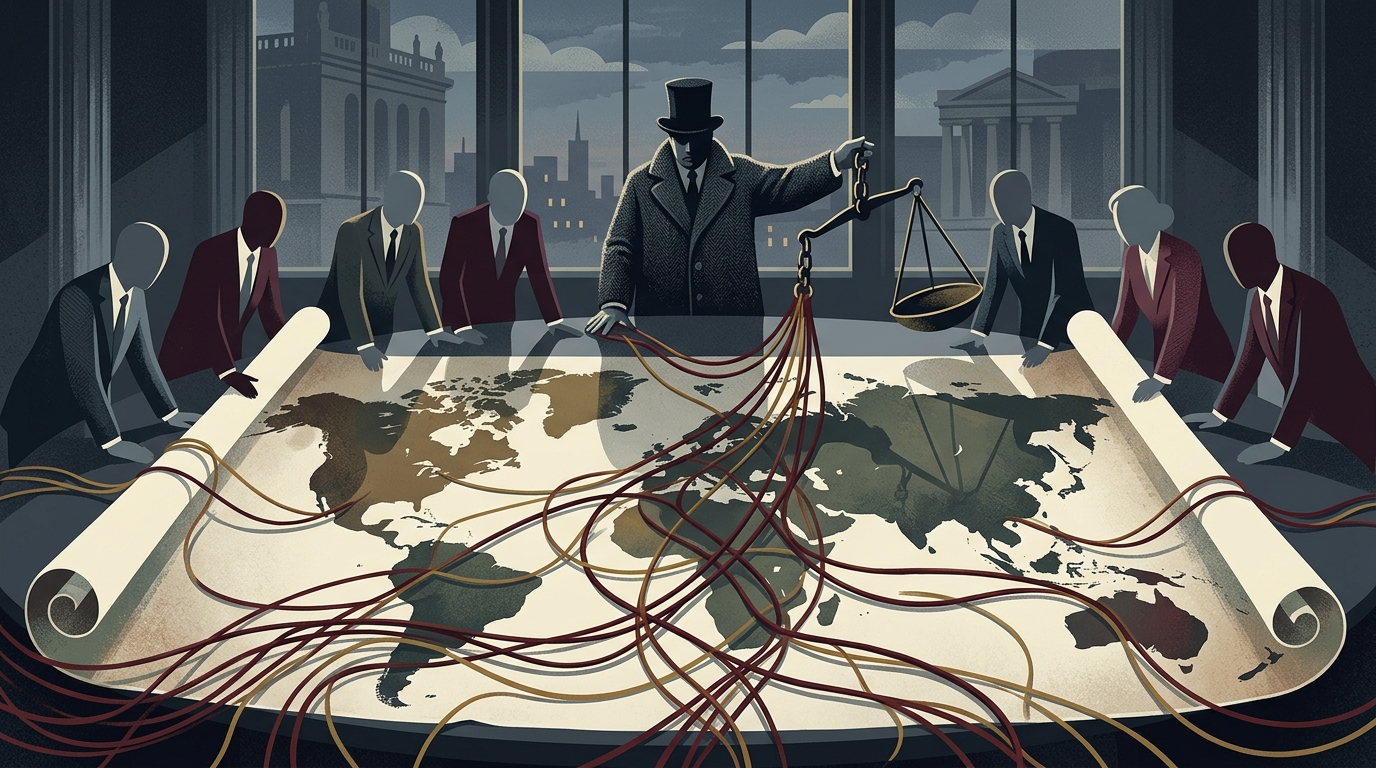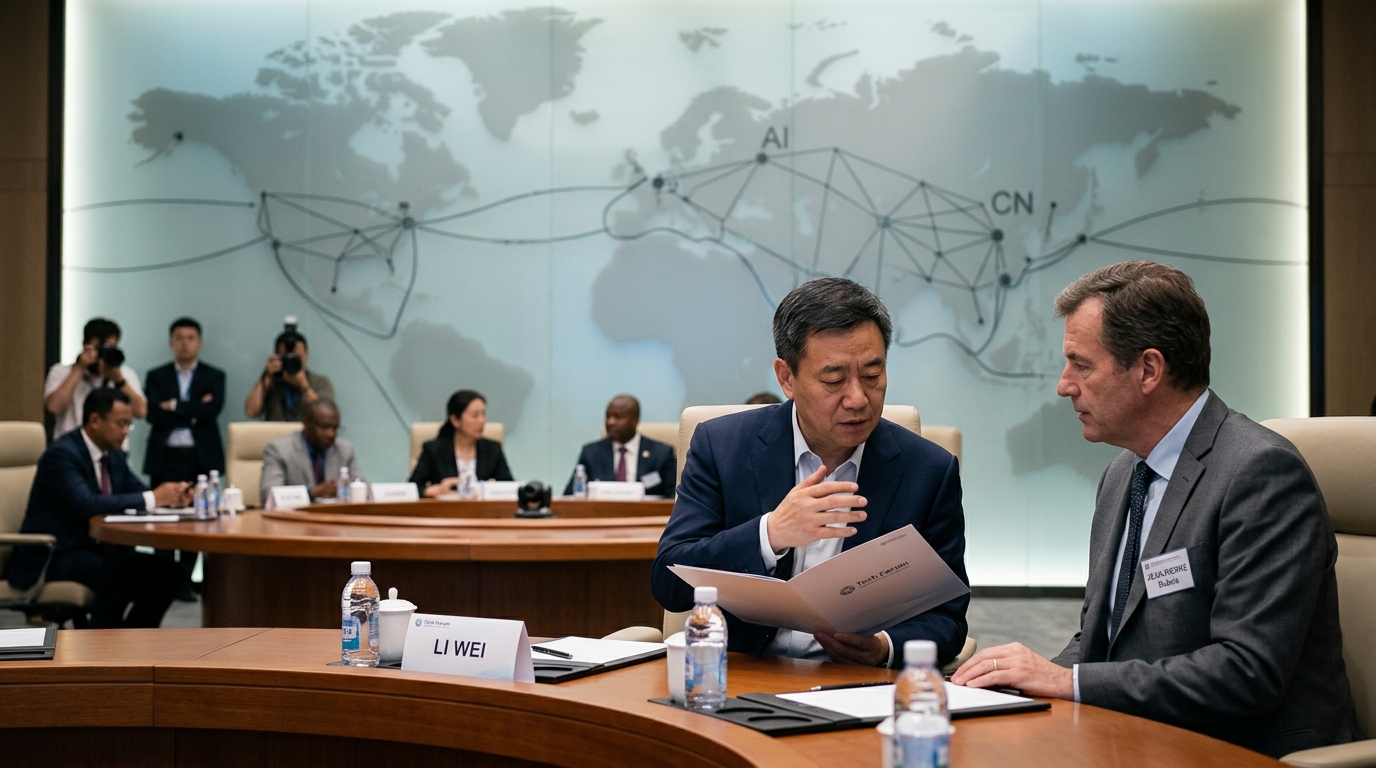
In the history of the global economy, every industrial revolution has been fueled by a new "raw material": coal in the 19th century, oil in the 20th. Today, as we navigate the mid-2020s, China appears to have identified the "oil" of the 21st century: AI tokens. Recent reports that Beijing is preparing the creation of derivative markets and futures contracts based on Artificial Intelligence is not merely a financial innovation, but a strategic move for geopolitical dominance.
The Commoditization of Intelligence
An AI token is the fundamental unit of processing for Large Language Models (LLMs). It represents approximately three-quarters of a word and serves as the metric by which tech companies charge for AI access. Until now, token pricing has been treated under the Software-as-a-Service (SaaS) model. China, however, is proposing something radical: transforming tokens into a tradable commodity, much like natural gas or wheat.
By creating a futures market, businesses can "lock in" prices for the computing power they will need months or years down the line. This reduces uncertainty for companies that rely on AI for their daily operations, allowing them to hedge against spikes in energy costs or semiconductor shortages. This move by China aims to standardize "digital intelligence" as a measurable and exchangeable economic resource.
A Response to Sanctions and the "Chip War"
This strategy was not born in a vacuum. Strict US export restrictions on advanced semiconductors from Nvidia and AMD have created a bottleneck in the computing power market. Beijing, instead of merely trying to replicate the hardware, is attempting to reorganize the market structure itself. By creating a national market for AI tokens, China can optimize the use of its existing resources, directing compute power to where it is most economically needed.
- Resource Aggregation: Unifying data centers within a common exchange framework allows smaller firms to access power previously reserved for tech giants.
- Price Discovery: The creation of futures enables transparent pricing, making the Chinese AI market more attractive to international investors seeking stability.
- Strategic Autonomy: By financializing AI, China reduces its vulnerability to fluctuations in the global hardware supply chain.
Geopolitical Implications: The Future "Petro-Token"?
This move could become the foundation for a new type of economic diplomacy. If China succeeds in imposing its standards for pricing and trading AI tokens, it could create a "compute power sphere of influence" under the Digital Silk Road. Countries in Southeast Asia, Africa, and the Middle East could connect to Chinese AI exchanges, using the yuan as a settlement currency to purchase "digital thought."
"Computing power is now the currency of power. Whoever controls its market, controls the pace of global innovation," say analysts in Shanghai.
Conversely, the West faces a dilemma. While the US dominates model innovation (OpenAI, Google, Anthropic), China is focusing on infrastructure and financial architecture. If the AI futures model succeeds, Wall Street may be forced to follow suit, transforming Silicon Valley from a software hub into a digital commodity management center.
Conclusion
China's initiative for AI futures marks the end of an era where Artificial Intelligence was seen as a mere productivity tool. We are now entering a phase where intelligence is treated as critical infrastructure and economic capital. The success of this venture will depend on Beijing's ability to convince the global market of the transparency and reliability of these new financial products. In any case, the path to global dominance now runs through data centers and digital futures contracts.