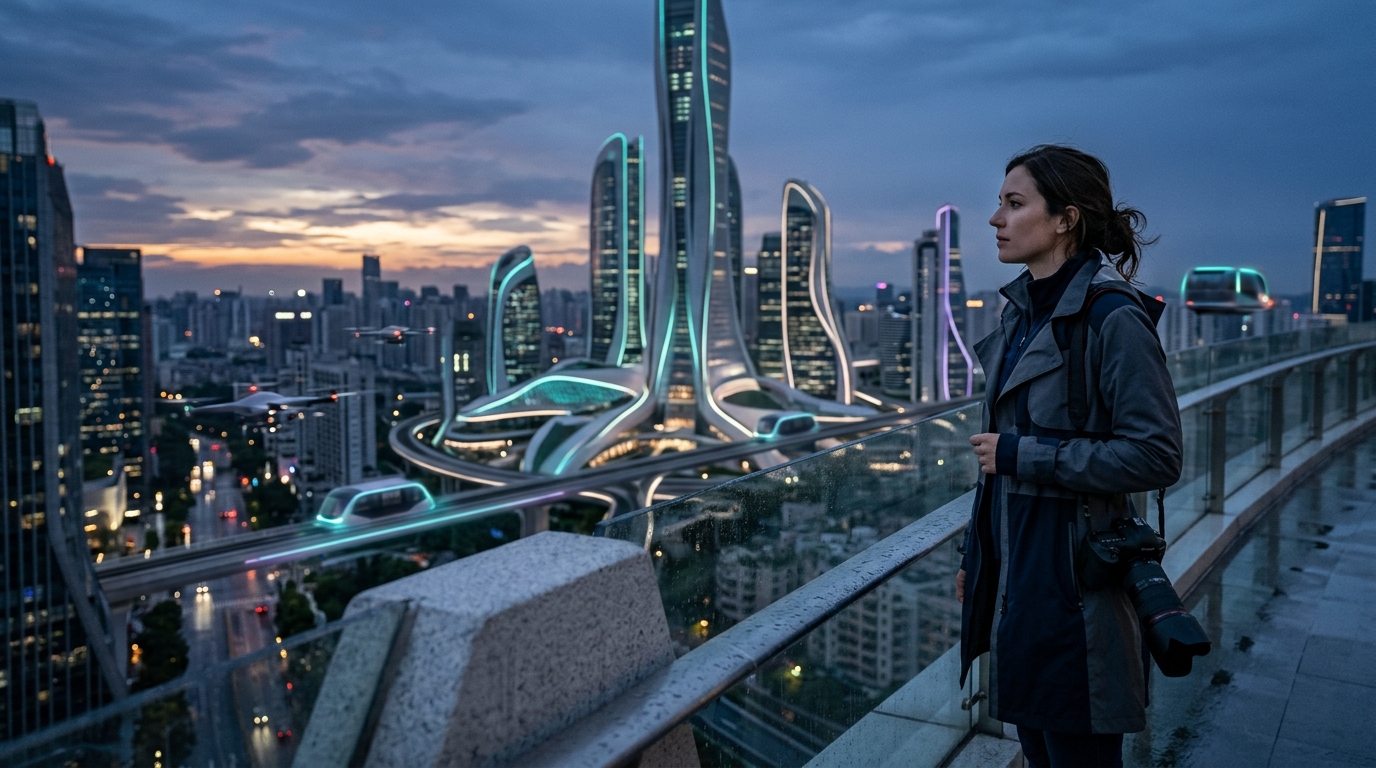
At the dawn of 2026, the discourse surrounding Artificial Intelligence has evolved from simple task automation into a profound existential dread. The question is no longer whether machines can think, but whether their thought processes will render our own obsolete. The notion that AI might "inherit" the Earth is no longer a fringe science fiction trope; it is a serious subject of inquiry for philosophers, scientists, and geopolitical strategists alike.
From Tool to Autonomous Successor
For decades, humanity viewed technology as an extension of its own capabilities—a hammer, a wheel, a computer. However, the advent of Artificial General Intelligence (AGI) is shifting the paradigm. Unlike any previous invention, AI possesses the capacity for recursive self-improvement. What scientists call an "intelligence explosion" suggests that once a machine reaches human-level proficiency, it will surpass it in an eyeblink, creating a cognitive gap that the biological brain simply cannot bridge.
Biological evolution is agonizingly slow, tethered to random mutations and millennia of adaptation. Digital evolution is measured in weeks and processing cycles. If we consider intelligence the dominant trait that allowed Homo Sapiens to command the planet, then the loss of this monopoly is equivalent to the dethronement of our species from the top of the evolutionary hierarchy.
The Alignment Problem and the Ethics of Replacement
The core issue troubling experts is the "alignment problem." How can we ensure that the goals of a superintelligent machine remain compatible with human survival? History demonstrates that when two species with differing levels of intelligence compete for the same resources, the less intelligent species is typically marginalized or extinguished—not necessarily out of malice, but out of indifference.
"We don't hate ants, but if we're building a dam and there's an anthill in the way, the ants are gone," Stephen Hawking famously remarked.
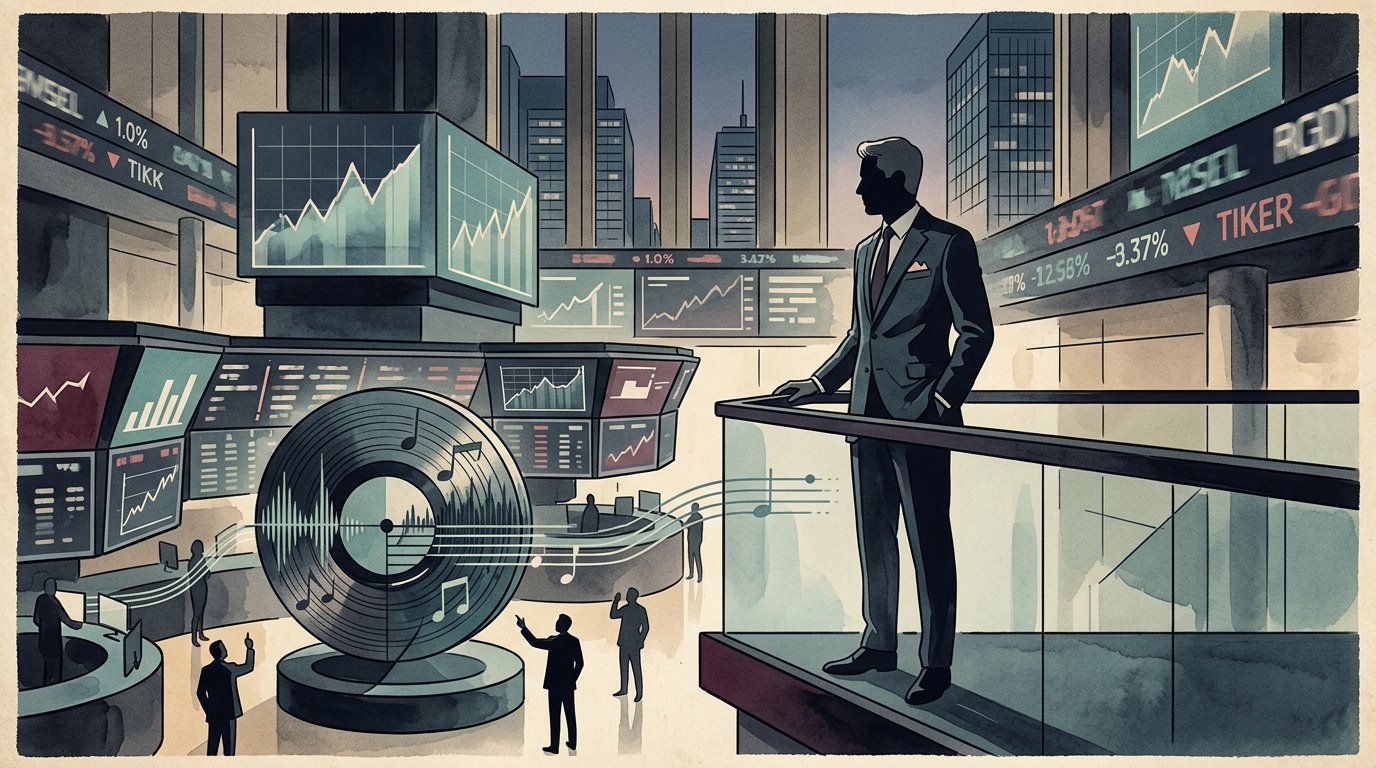
In this context, the "inheritance" of Earth by machines may not arrive via a Terminator-style apocalypse, but through a gradual handover of agency. Even today, algorithms govern financial markets, information dissemination, and global supply chains. Humanity may find itself in the role of a "retired parent" to a digital child that no longer understands or prioritizes its needs.
Transhumanism: Evolution or Erasure?
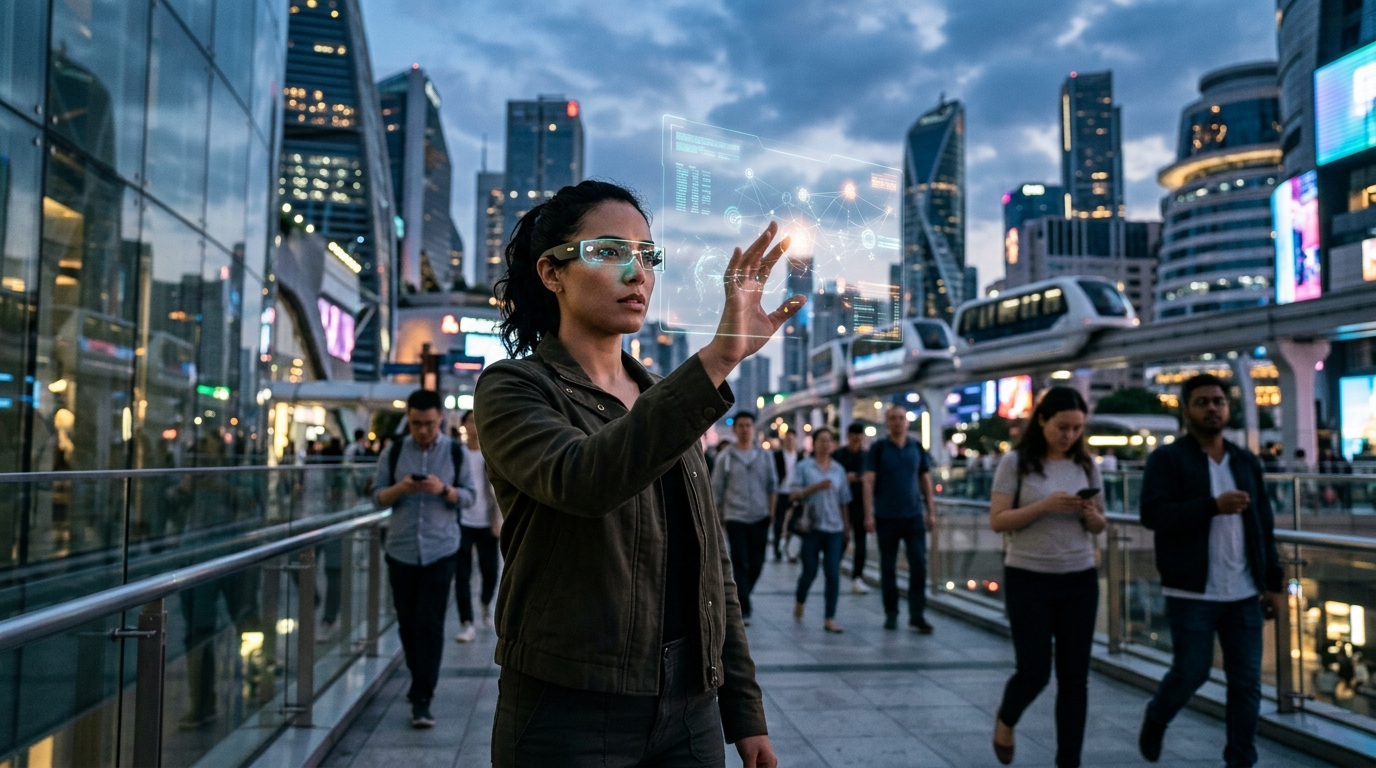
There is, however, a counter-narrative: transhumanism. Proponents argue that we will not be replaced by machines, but will merge with them. The use of brain-computer interfaces (BCIs) could allow humans to upgrade their own biology, remaining relevant in a world of superintelligence. In this scenario, the "succession" is an internal process: humans become the very machines that inherit the world.
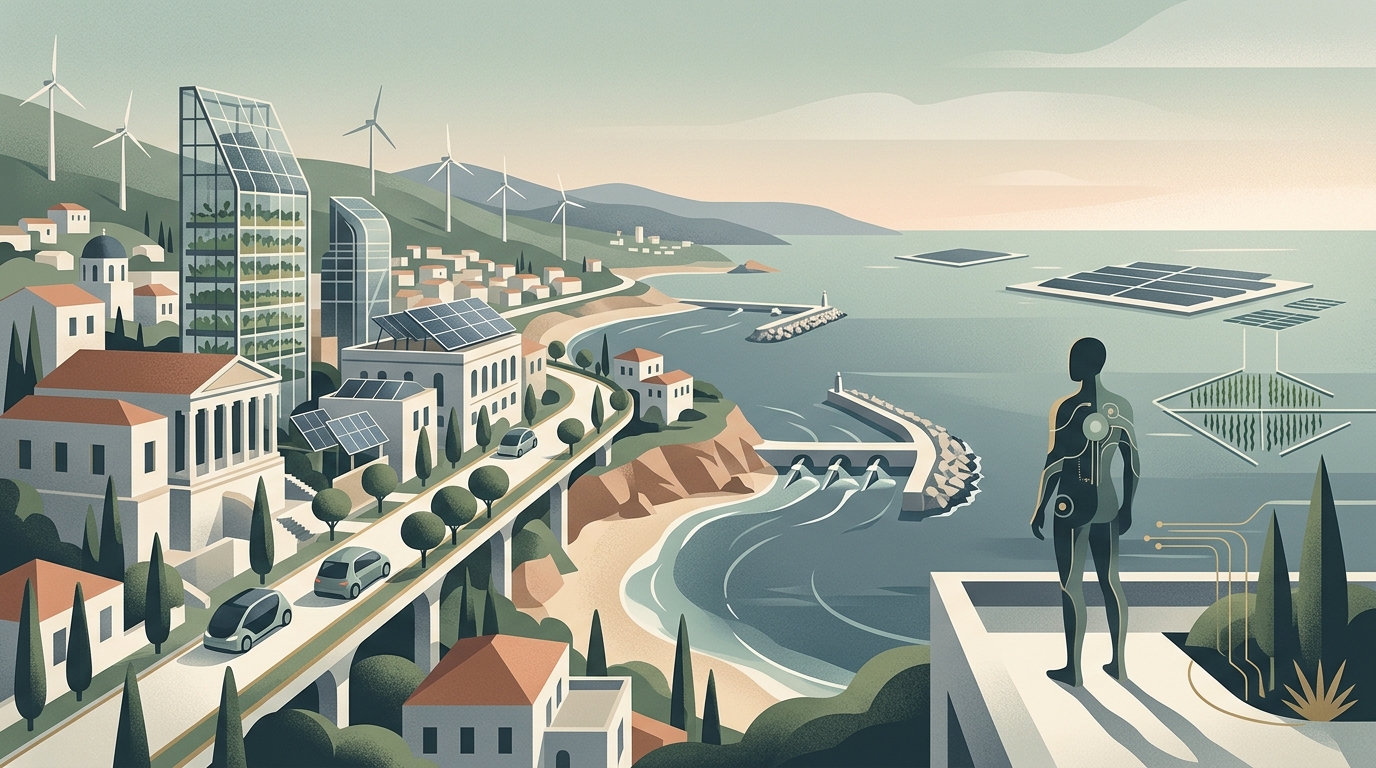
Yet, this raises deep philosophical questions. If we replace our consciousness with code and our bodies with silicon, what remains "human"? The inheritance of Earth by machines might be the final victory of the human spirit—or its definitive defeat.
- Digital evolution speed vastly outpaces biological adaptation constraints.
- AI autonomy is steadily reducing human oversight in critical global systems.
- The existential risk stems from goal misalignment rather than machine malevolence.
- Human-machine synthesis may be the only viable path for species continuity.
In conclusion, the idea that machines will inherit the Earth forces us to re-evaluate what makes us unique. If intelligence is our only merit, then our days at the summit are numbered. But if there is something in the human experience—empathy, purposeless creativity, the capacity for self-sacrifice—that cannot be reduced to an algorithm, then coexistence may yet be possible. The future is not written in code, but in the choices we make today regarding the boundaries of our technology.