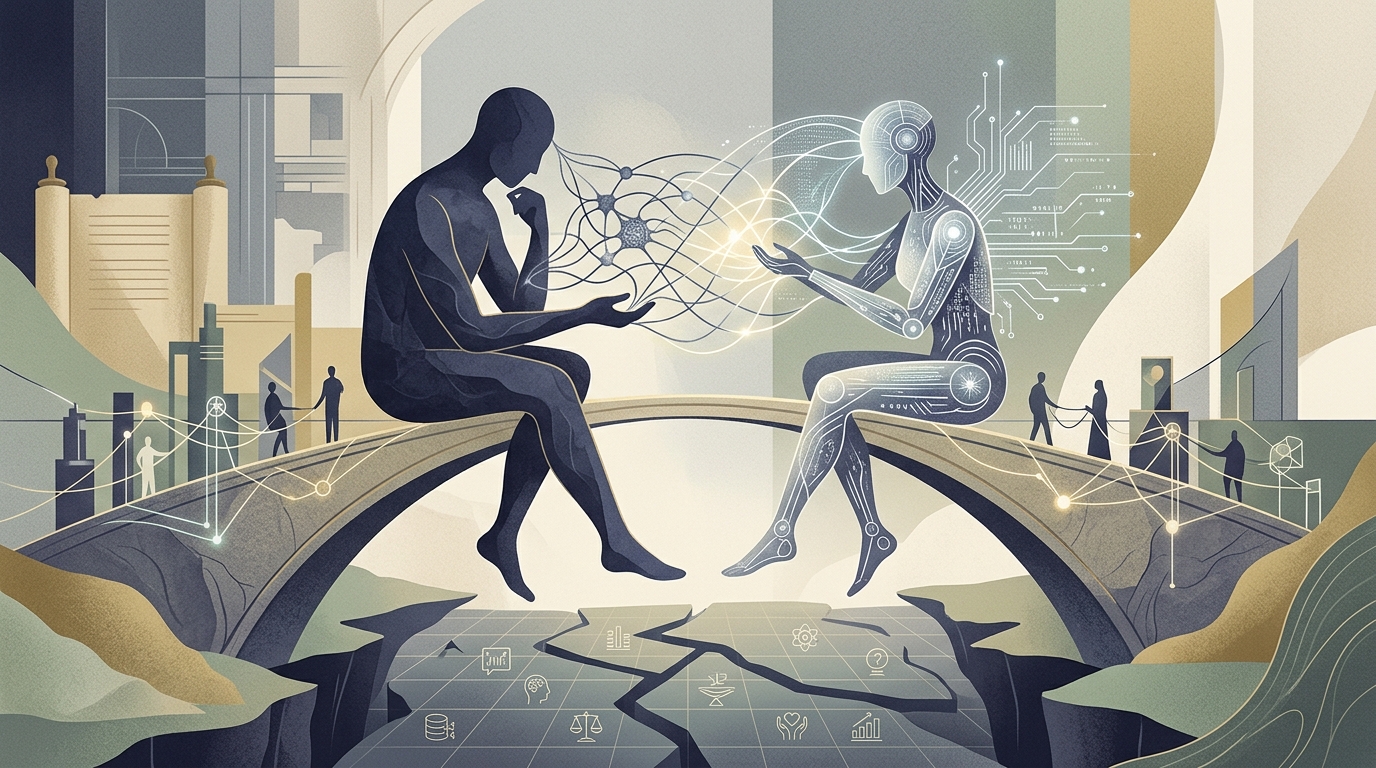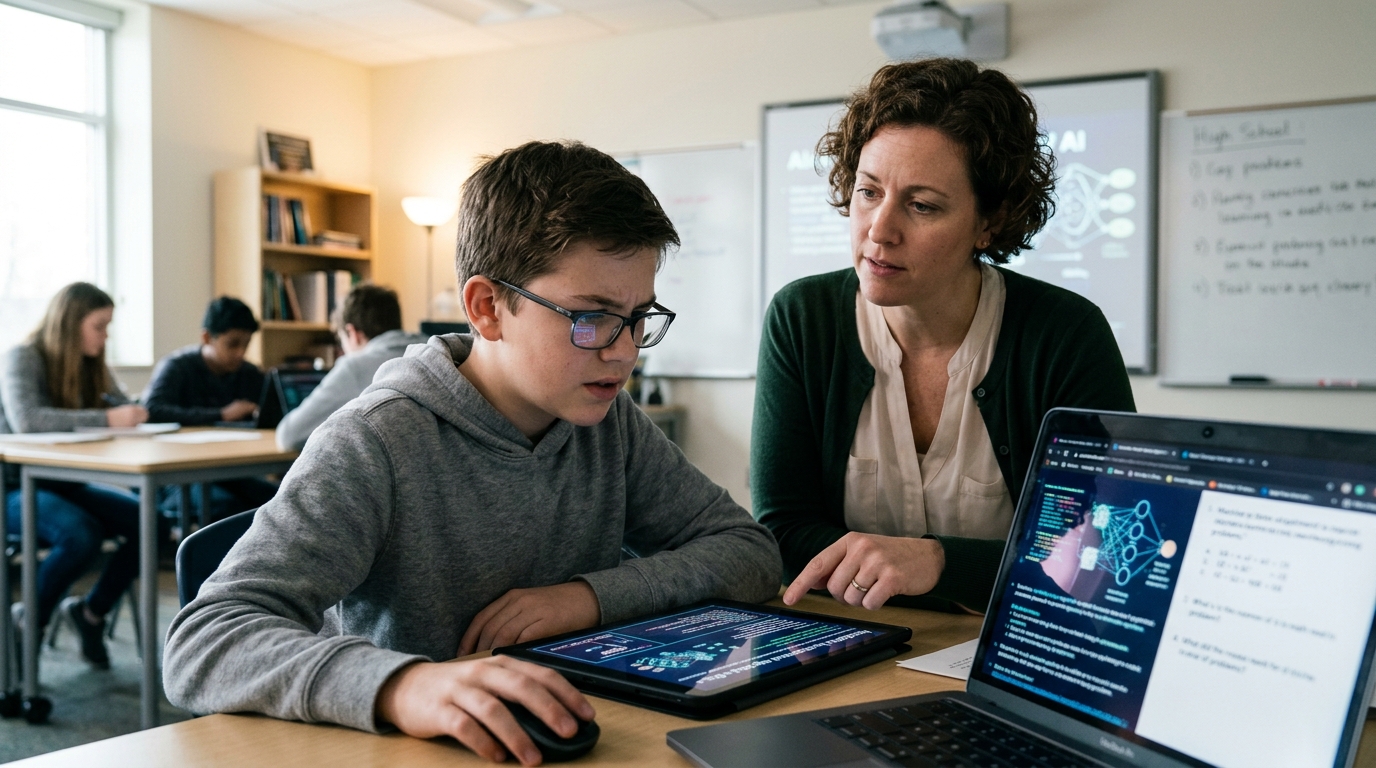
By June 2026, the debate surrounding Artificial Intelligence (AI) in schools has shifted from whether it should be used to how to prevent the complete erosion of the learning process. According to recent surveys and teacher testimonials featured in Education Week, we are at a critical juncture. While the promises of personalized learning remain seductive, the reality in classrooms reveals a deep-seated anxiety: students are at risk of drowning in an ocean of automated answers, losing their capacity for critical inquiry.
The Authenticity Crisis and the Assessment Dilemma
The single greatest challenge facing educators today is the collapse of traditional assessment methods. When a large language model can synthesize an essay on Thucydides or solve complex calculus equations in seconds, the concept of "homework" has lost its traditional meaning. Teachers report that distinguishing between a student’s authentic effort and AI-generated output has become nearly impossible, despite the presence of detection tools that often prove unreliable and prone to false positives.
Many instructors are now opting for a return to "analog" methods: in-class handwritten exams, oral presentations, and Socratic seminars. However, this reactionary shift often clashes with mandates from education ministries pushing for "digital transformation." The result is an educational schism where teachers are expected to be both tech-forward innovators and anti-plagiarism detectives, a dual role that is fueling burnout.
The Evolving Role of the Teacher: From Authority to Facilitator
AI does not necessarily threaten to replace teachers, but it is fundamentally altering the nature of their work. The educator is no longer the sole gatekeeper of information but a mediator who must teach students how to navigate and evaluate information. This, according to many, increases the cognitive load on teachers themselves. Lesson planning now requires integrating AI tools, vetting algorithmic biases, and remaining hyper-vigilant about the mental well-being of students who are increasingly isolated by screens.
- Personalized AI tutoring can significantly aid students with learning disabilities and diverse needs.
- The risk of "cognitive atrophy" is real when students rely on AI for every creative or analytical task.
- Teacher fatigue is exacerbated by the need for constant retraining on technologies that evolve monthly.
"We are no longer teaching how to write; we are teaching how to edit what a machine produced. I fear we are losing the ability to think from a blank slate," notes one veteran humanities teacher.
Cognitive Atrophy vs. Augmented Intelligence
The AI-in-education debate touches upon the very essence of human intelligence. There is a profound fear that the ease with which AI provides solutions will lead to a generation incapable of handling the frustration or the rigorous "struggle" that learning requires. Learning is a process that demands effort and repetition; when AI removes the friction from learning, it may also remove the neuroplasticity that results from that effort.
On the other hand, proponents of the technology argue that AI liberates students from rote tasks, allowing them to focus on higher-level synthesis and creative problem-solving. If the calculator didn't destroy mathematics, they argue, AI won't destroy thought. However, the difference lies in scale: AI is not just a tool for calculation; it is a mimic of human judgment and linguistic expression, making its influence far more pervasive.
Equity and the Ethical Minefield
Finally, the social dimension of this issue is explosive. Access to advanced, paid AI models is creating a new educational divide. Students in wealthy private institutions have access to "smart" digital assistants that act as 1:1 mentors, while students in underfunded districts are limited to basic, ad-supported versions or no access at all. Furthermore, data privacy for minors remains a significant concern, as Big Tech companies use student interactions to further train their proprietary algorithms.
In 2026, education is in a state of "creative unrest." Educators are calling for a clear regulatory framework and, most importantly, an acknowledgment that technology must serve pedagogy, not the other way around. The challenge is not to ban AI, but to ensure it does not replace the very human desire for discovery and the hard-won mastery of knowledge.