The history of technological progress is a continuous sequence of "creative destruction," as described by Joseph Schumpeter. Today, in June 2026, we find ourselves at the epicenter of this transformation. While dire predictions of mass job replacement by Artificial Intelligence (AI) continue to dominate headlines, a quieter but equally powerful trend is shaping the labor market: the birth of professions that five years ago would have sounded like science fiction.
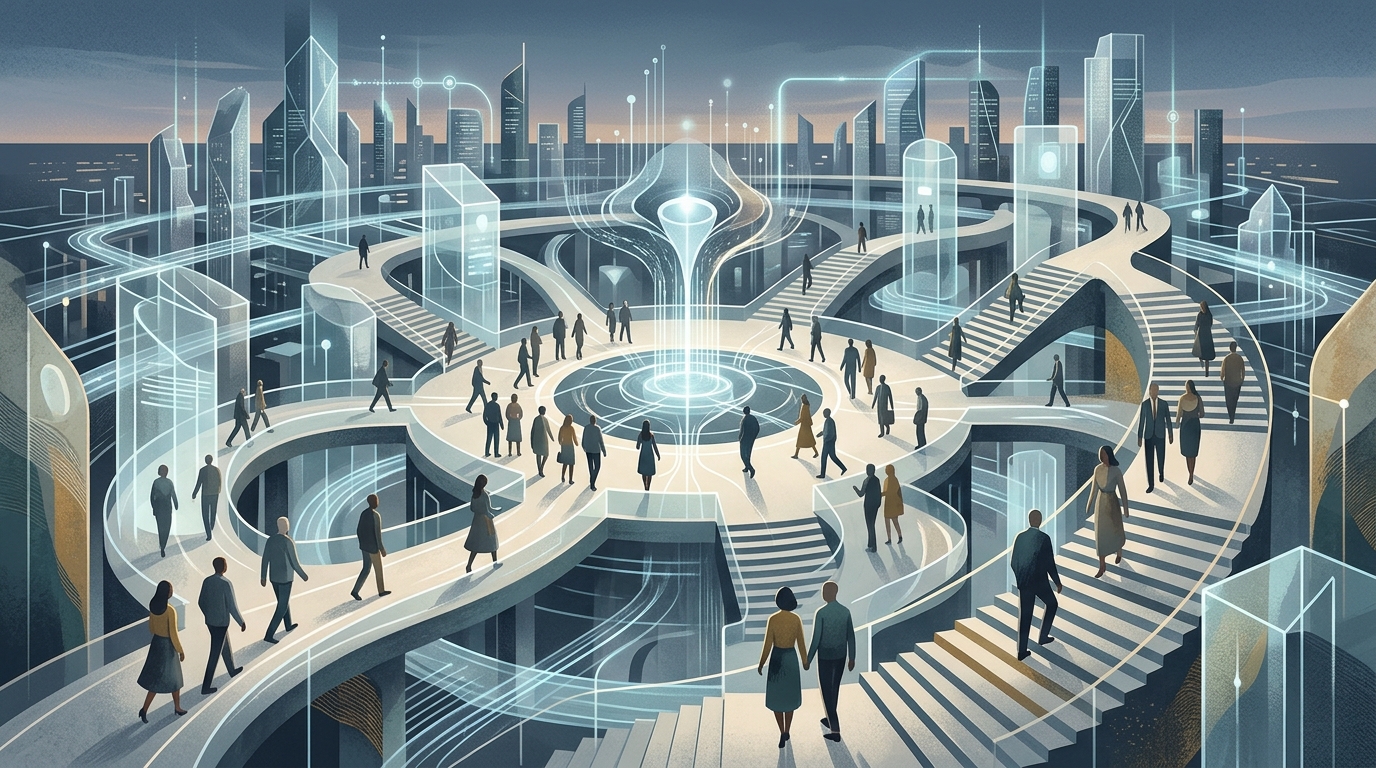
The transition from a traditional economy to an intelligence economy is not just about replacing tasks; it is primarily about the emergence of new needs. As Large Language Models (LLMs) and Generative AI integrate into every facet of business, a skills gap is created that only a new class of professionals can fill.
The Machine Whisperers: Prompt Engineers and Data Curators
One of the first professions to establish itself is that of the Prompt Engineer. Although initially dismissed by many as a passing fad, it is now a critical role for any organization seeking to leverage AI with precision. These professionals are not mere "users"; they are translators of human intent into code that the machine can execute with maximum efficiency. It requires a combination of linguistic prowess, logical thinking, and a deep understanding of model architecture.
At the same time, the need for high-quality data has given rise to the AI Data Curator. Unlike the data entry clerks of the past, the 2026 curator must possess specialized knowledge in specific fields (law, medicine, engineering) to oversee the synthesis of synthetic data and ensure that model training is not based on flawed or biased information. Quality now holds more value than quantity.
Ethics and Compliance: The Guardians of Algorithms
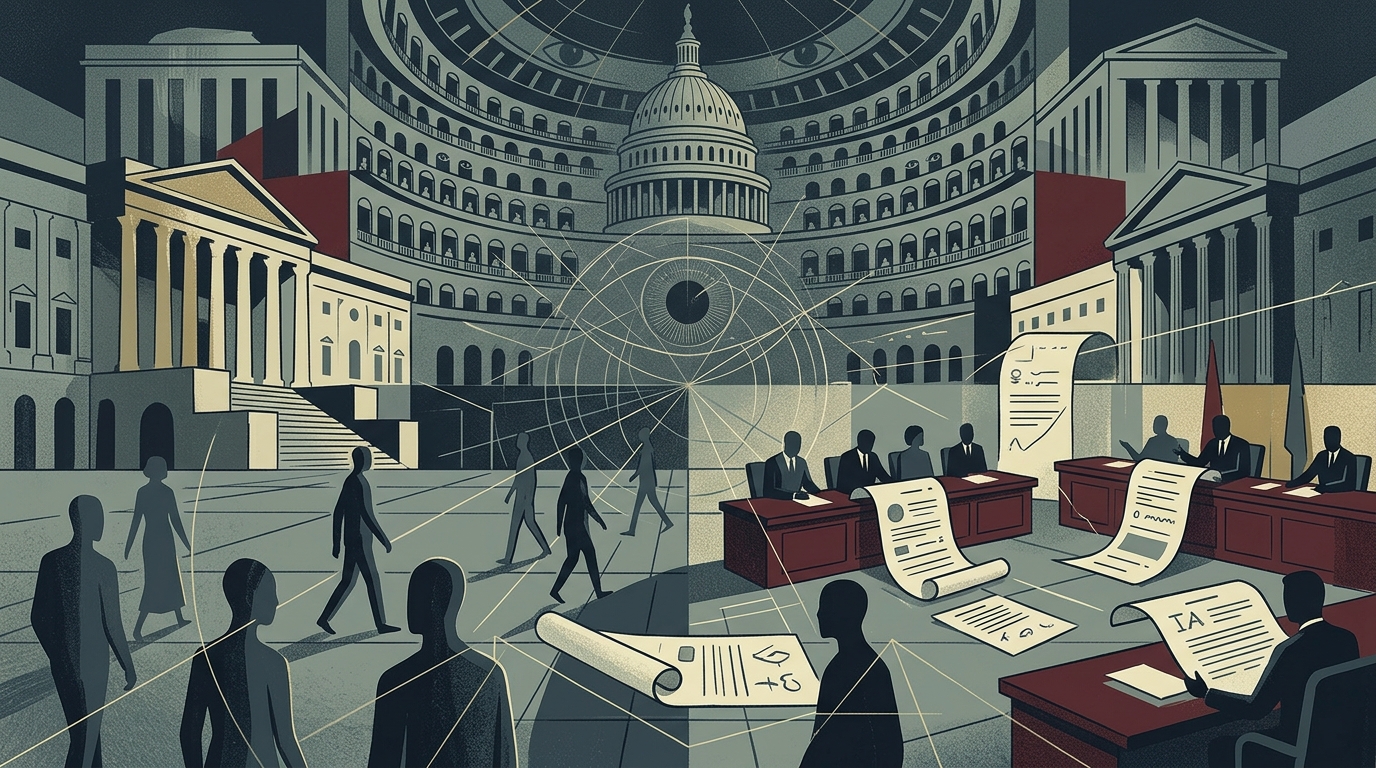
With the full implementation of the EU AI Act in Europe, the role of the AI Ethics & Compliance Officer has become mandatory for large enterprises. These professionals act as the "conscience" of the company, ensuring that algorithms do not introduce discrimination and that machine decisions are transparent and explainable.
"It is no longer enough for an AI model to work; we must be able to explain why it made a decision and guarantee that it does not violate fundamental rights," market analysts note.
This field combines legal science with computer science and sociology, creating a new interdisciplinary career that protects both the citizen and the business from legal risks.
Transformation Architects and Digital Twins
Another role gaining ground is the AI Solutions Architect. These professionals don't just build software; they design entire ecosystems where humans and AI agents collaborate harmoniously. In the industrial sector, we are seeing the rise of Digital Twin Managers, who oversee digital replicas of entire factories or cities, using AI to predict failures and optimize production in real-time.
- AI Tutor / Personalization Specialist: In education, professionals who tailor curricula to each student's needs via AI.
- Algorithmic Auditor: Independent auditors who certify the neutrality of algorithms.
- Synthetic Media Producer: Content creators using exclusively generative intelligence tools for film and advertising productions.
The Future of Work: Adaptation or Marginalization?
The emergence of these jobs demonstrates that Artificial Intelligence is not the end of human labor, but the beginning of a new phase. However, the challenge remains the speed of the transition. The need for reskilling is more urgent than ever. Governments and educational institutions must move quickly to prepare the workforce for roles that require critical thinking, emotional intelligence, and technical training.
In conclusion, the jobs born from AI are not merely technical. They are roles that require deep human judgment. The machine may generate the answer, but the human remains the one who asks the question, defines the context, and bears the responsibility for the outcome. The 2026 labor market is not less human; it is simply more intelligent.