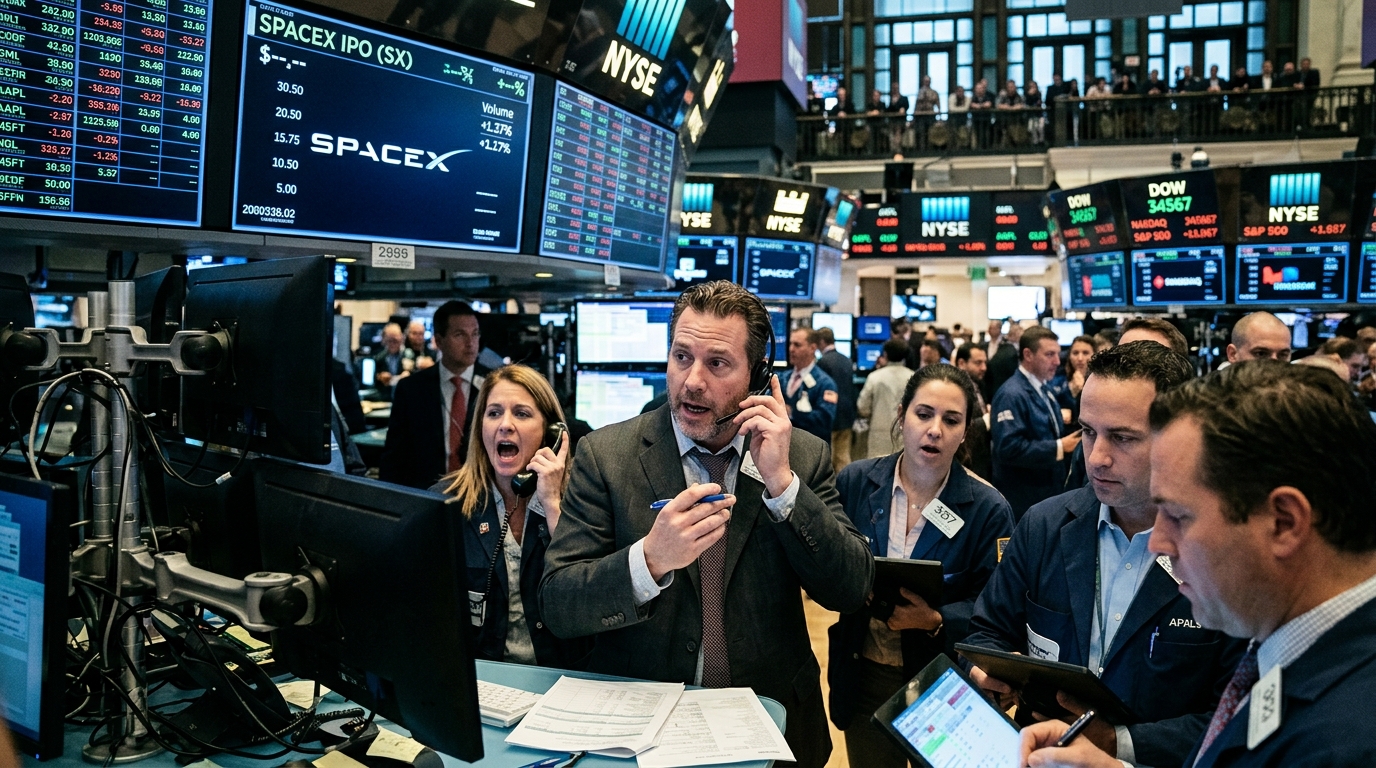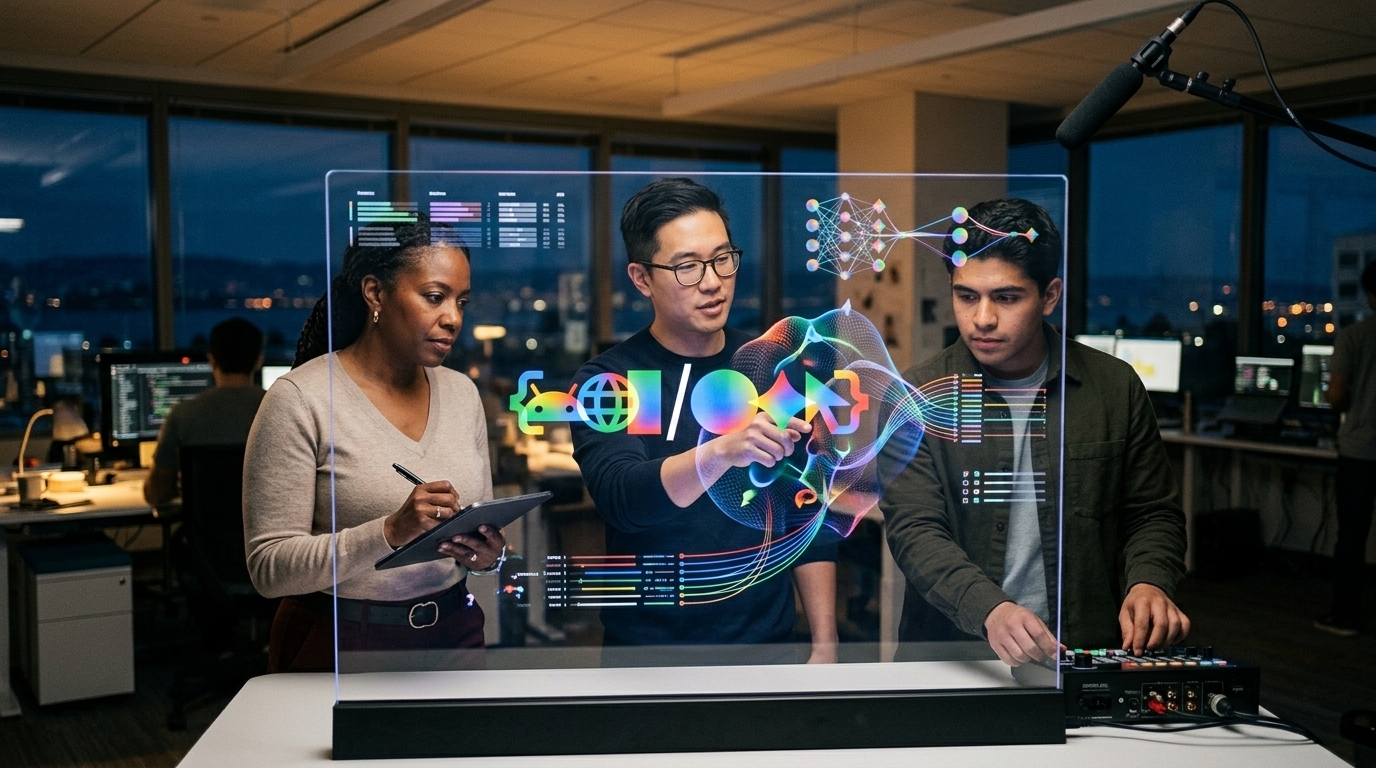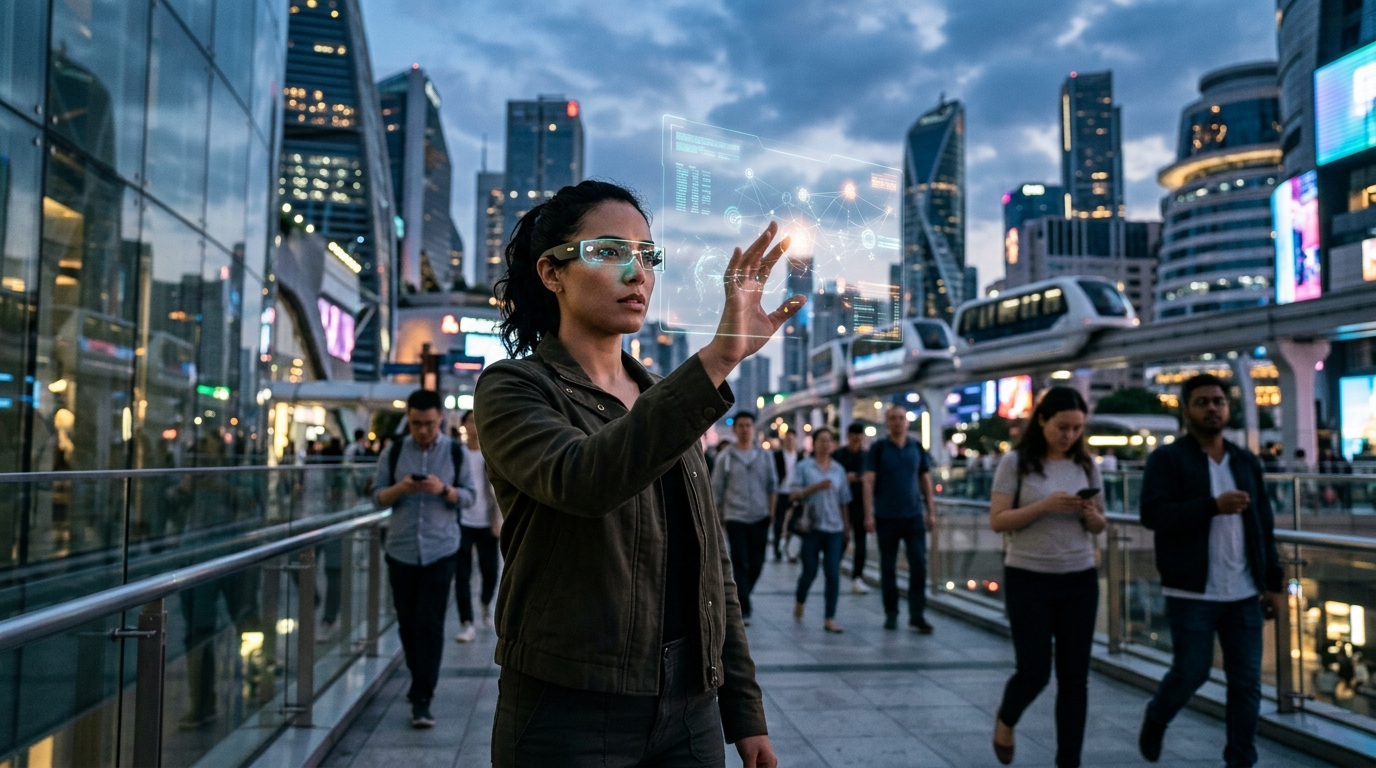
The traditional image of a professional career—a steady ascent up the corporate ladder, from intern to senior management—is now a relic of the past. The advent of Generative Artificial Intelligence (AI) is acting not just as a productivity catalyst, but as a steamroller flattening the structures we have known for decades. Today, we face the phenomenon of "CEOs of desperation": professionals who, seeing their roles automated or downgraded, are forced to reinvent themselves as "companies of one," using AI to survive in an environment that no longer offers security.
The Collapse of Entry-Level Roles
For generations, entry-level jobs served as the "training ground" of the labor market. There, young graduates learned basic skills, made mistakes, and built networks. However, AI has begun to absorb precisely these tasks: report writing, basic data analysis, routine programming, and email management. When a machine can complete 80% of a junior analyst's tasks in seconds, businesses stop hiring young people for these roles.
The result is a "hierarchy gap." Without the first rungs, the career ladder collapses. Young workers find themselves trapped in a situation where experience is required that they can no longer acquire organically. This structural shift leads many into self-employment not out of choice or entrepreneurial spirit, but out of the necessity to create their own job in a market that is closing its doors to them.
The Rise of the Solopreneur and the Illusion of Autonomy
Technology provides the tools for anyone to become the "CEO" of themselves at minimal cost. With the help of AI, a graphic designer can offer copywriting services, a developer can handle marketing, and an analyst can set up entire sales campaigns. This "multitasking professional" (solopreneur) is the new market standard. But behind the glitter of autonomy lies a harsh reality: a complete lack of social protection, the absence of benefits, and constant anxiety over the next contract.
In many economies, this phenomenon is taking on explosive proportions. AI allows many to bypass sluggish traditional corporations and seek clients globally, but at the same time, it makes them vulnerable to global competition. The "CEO of desperation" does not lead an empire; they manage their time in a frantic effort not to be rendered obsolete by the next algorithm update.
Education in Crisis: Degrees Without Value?
Traditional university education is failing to keep pace with developments. While curricula take years to update, AI evolves on a weekly basis. The skills gap is widening, and the concept of "expertise" is being redefined. Today, the most valuable skill is not knowledge of a specific subject, but the ability to collaborate with AI to produce results.
- Critical thinking becomes more important than technical execution.
- The ability to synthesize information outweighs rote memorization.
- Emotional intelligence remains the last human stronghold.
If the educational system does not immediately pivot toward fostering these soft skills, it will continue to produce armies of unemployed individuals with outdated knowledge, feeding the pool of people forced to become entrepreneurs without the necessary tools.
The Future of Work: A New Social Contract
The deconstruction of the traditional career demands a new social contract. We cannot rely on 20th-century models to manage a 21st-century reality. Protecting freelancers, ensuring the portability of social security rights, and committing to lifelong learning are no longer luxuries but prerequisites for social cohesion.
"AI will not replace humans, but the human using AI will replace the one who doesn't. The question is whether our society is ready for the transition from the salaried employee to the digital nomad of necessity."
In conclusion, the labor market is transforming into a field where stability is the exception and adaptability is the rule. "CEOs of desperation" are the precursors of a new era, where a career is no longer a path, but a labyrinth that we must navigate with technology as our compass and human creativity as our shield.