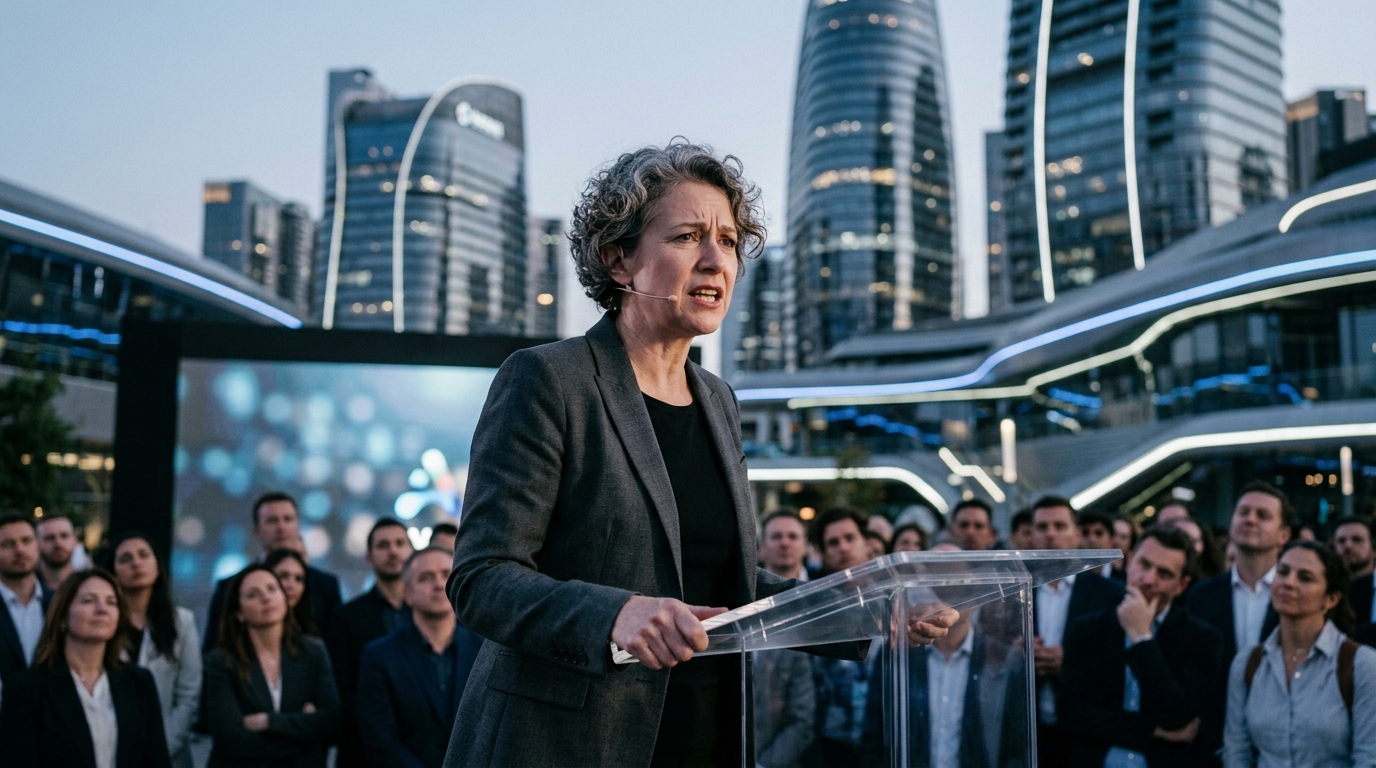
In the late spring of 2026, university commencement ceremonies across the Western world no longer resemble the celebratory milestones of yesteryear. Instead of sustained applause, a new sound dominates the stadiums and quads: the boo. What began as sporadic protest has evolved into a systemic phenomenon, as graduates refuse to accept the recycled platitudes delivered from the podium, often composed with the invisible hand of Generative AI.
The Trap of Automated Inspiration
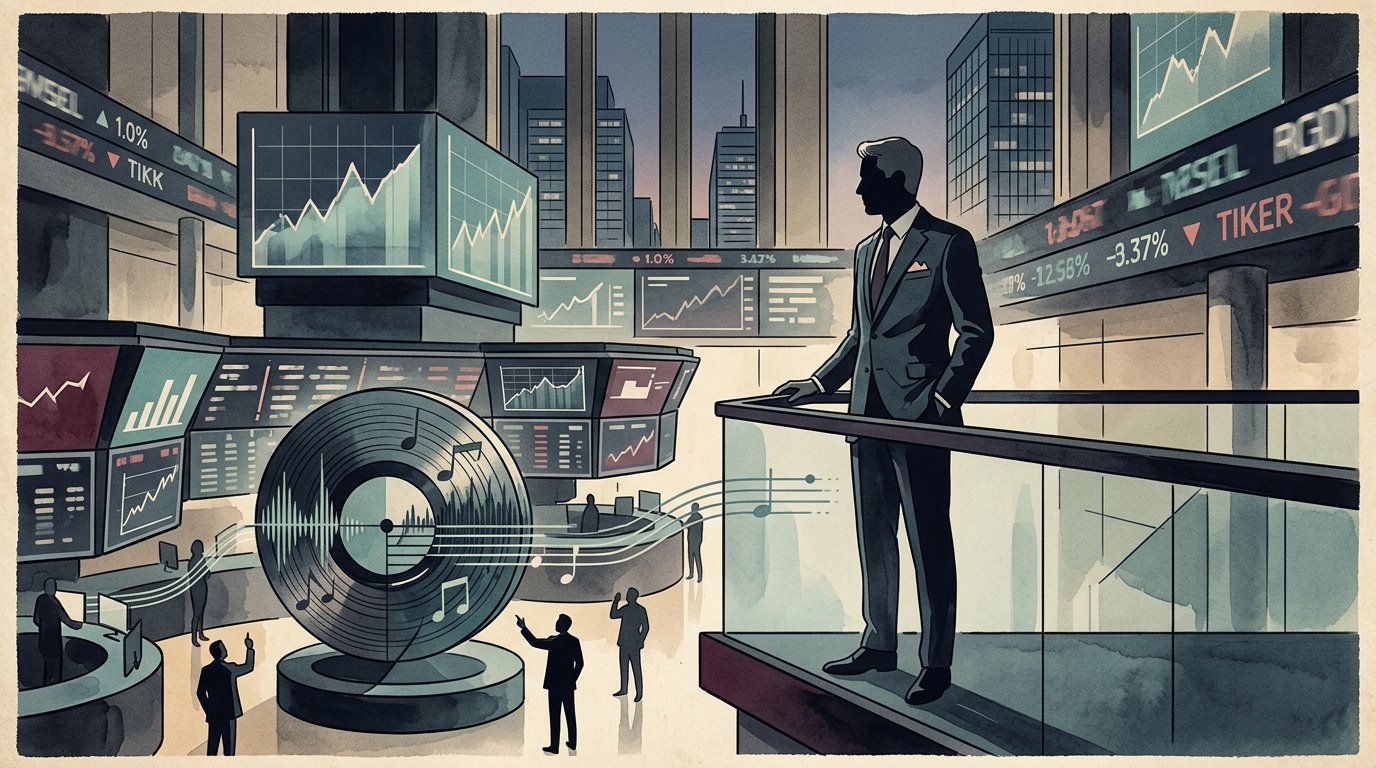
The issue isn't entirely new, but the advent of Large Language Models (LLMs) has brought it to the surface with violent clarity. For decades, commencement speeches have relied on a specific formula: a dash of nostalgia, a few quotes about "chasing dreams," and a vague exhortation to change the world. Today, when a dean or a guest speaker uses ChatGPT to synthesize these phrases, the result is a speech that sounds like the sonic equivalent of white noise. Students, having spent their formative academic years learning to detect the structure and cadence of AI, immediately recognize the lack of authenticity.
The use of AI in writing these addresses is the ultimate irony. At a moment meant to celebrate human achievement and intellectual maturity, university administrations opt for the convenience of automation. This sends a clear signal to graduates: "Your experience is not worth the time required to write an original thought."
The Gap Between Rhetoric and Reality
Beyond the technological dimension, the booing stems from a deep-seated socioeconomic resentment. The Class of 2026 faces a job market being radically reshaped by automation, a cost of living that is spiraling out of control, and student debt that feels like a life sentence. When a billionaire or a politician stands at the podium to tell them that "anything is possible," the reaction is now visceral and aggressive.
- The cost of education has turned the degree into a high-risk financial investment.
- Climate crisis and geopolitical instability have removed the safety net of the future.
- Traditional career advice feels obsolete in an economy defined by gig work and AI displacement.
"We don't want to be told how to fly when our wings have been clipped by debt and uncertainty," said one student during a recent protest at Columbia University.
The Politicization of the Podium
Commencement ceremonies have transformed into political battlegrounds. From protests regarding global conflicts to demands for social equity, the speaker’s microphone is no longer the only tool of power in the arena. Graduates are using their collective voice to disrupt the status quo. The booing isn't just directed at the content of the speech, but at the institutional hypocrisy the university itself represents.
For the tradition of the commencement speech to survive, a radical shift toward honesty is required. Speakers must stop offering "intellectual fast food" and start speaking about the hardships, the failures, and the uncertain nature of truth in the 21st century. If an AI can write a speech that is accepted without protest, then that speech never had anything substantial to say in the first place.
The Future of the Ritual
Perhaps the solution lies not in improving the speeches, but in abolishing them. In a world where information is abundant and attention is scarce, the imposition of a one-sided 20-minute monologue feels anachronistic. Booing is a cry for participation, for dialogue, and above all, for an acknowledgment of the reality young people inhabit today. Until these speeches regain a soul and a sense of courage, the shouts from the crowd will continue to be the most honest part of the ceremony.