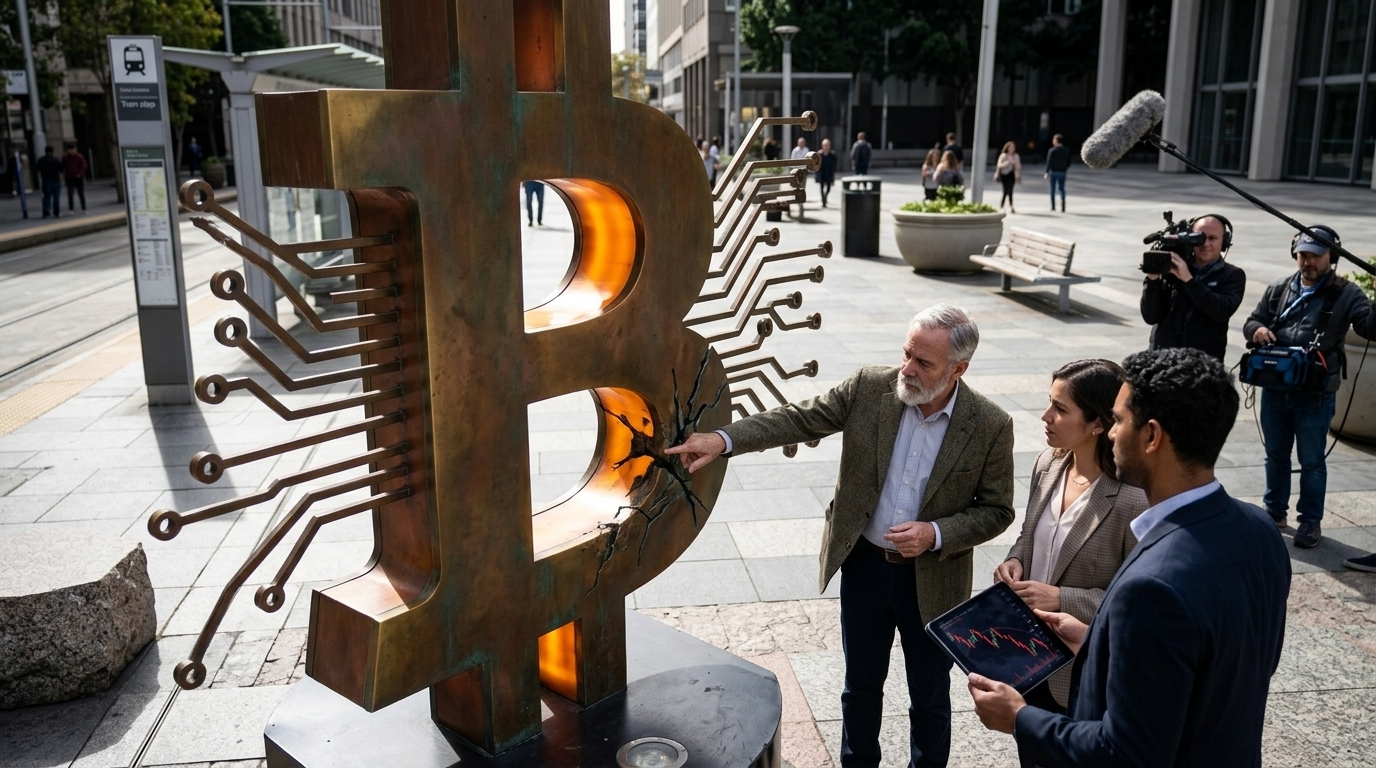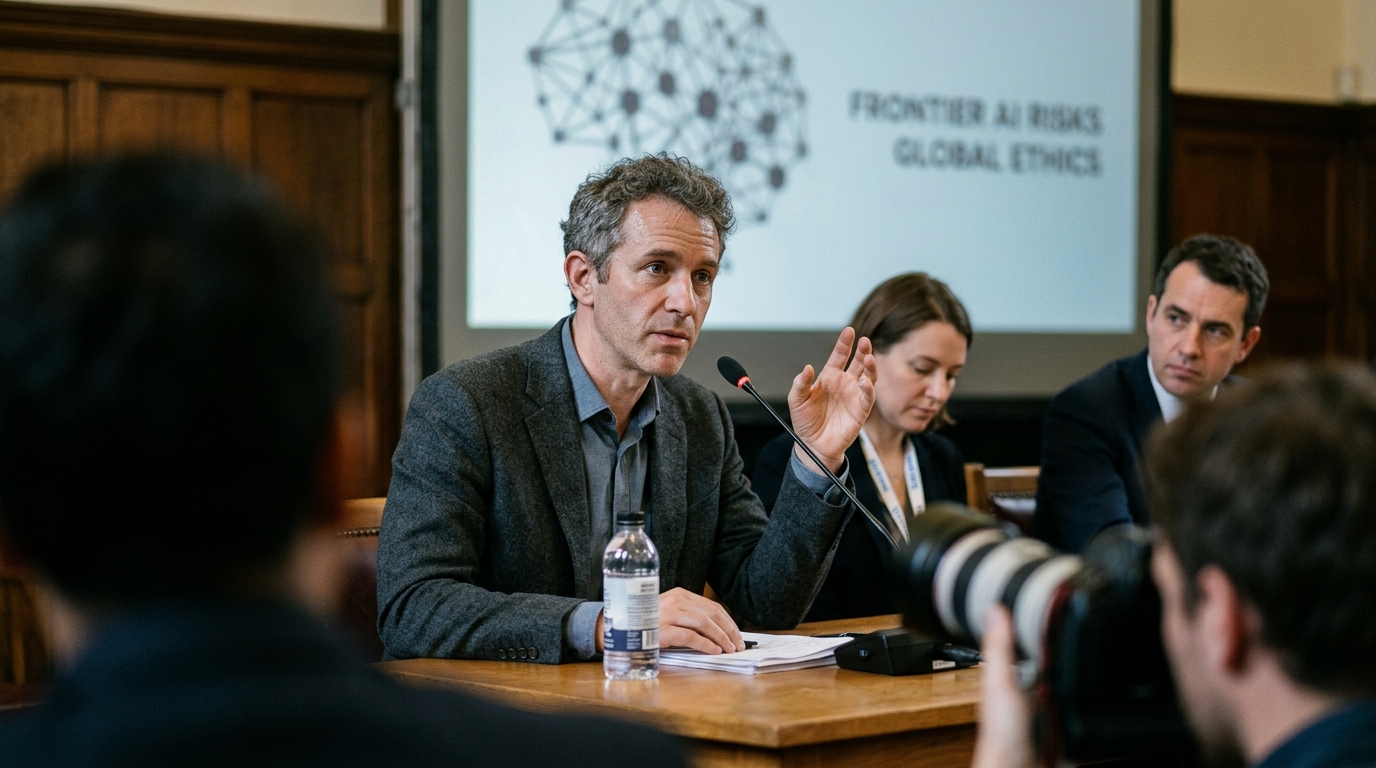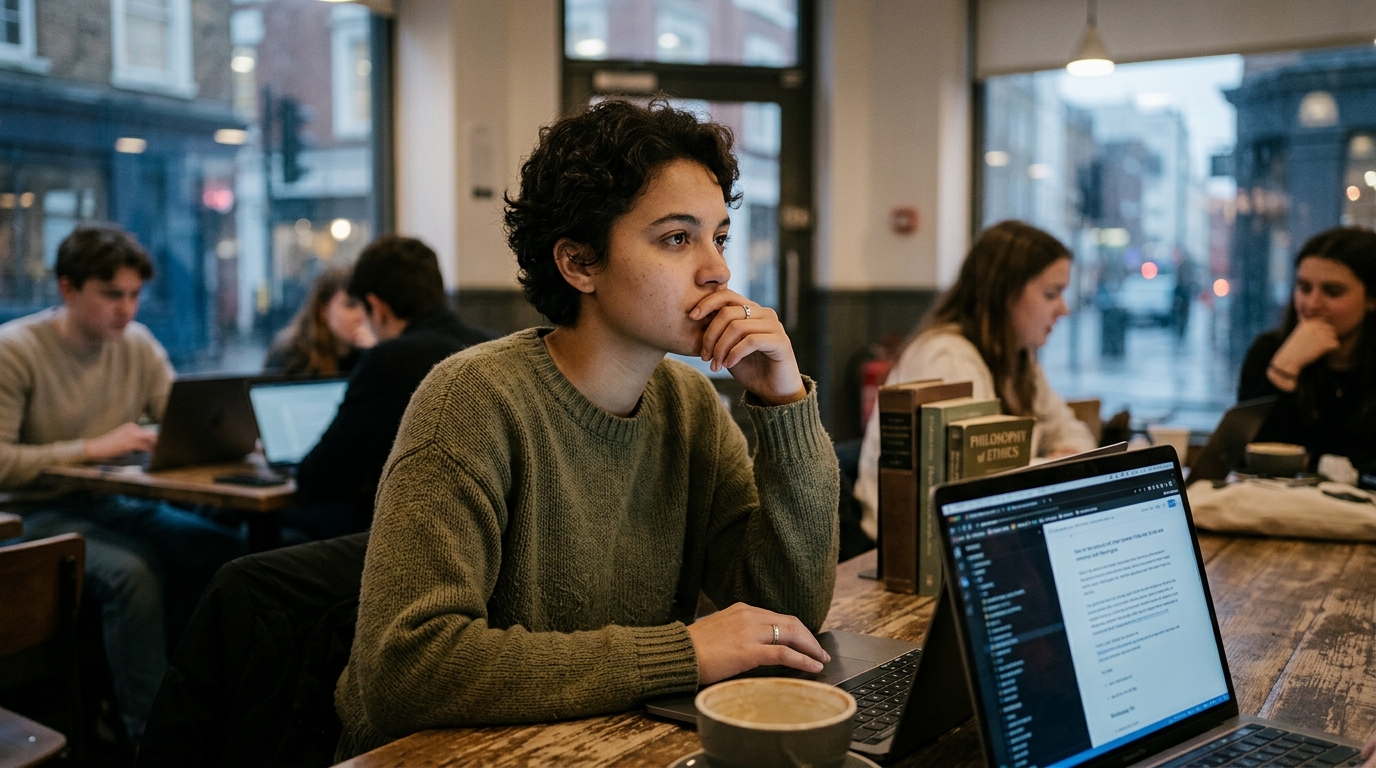
Gen Z has grown up with technology in the palm of their hand. From their earliest steps, members of this generation viewed the internet and social networks as a natural extension of themselves. However, May 2026 finds this generation in a state of profound unease. The rapid evolution of Generative AI is no longer treated as just another "cool" tool, but as an existential threat touching their work, authenticity, and mental well-being.
The Threat of Job Precarity and the "Hollowed" Entry Level
For young people entering the workforce today, the landscape feels like a minefield. Traditionally, entry-level jobs were the training grounds where the youth gained experience, made mistakes, and learned the ropes. Today, these roles—from writing basic code and translation to graphic design and copywriting—are being automated with terrifying speed. Gen Z fears that the professional ladder has lost its first few rungs.
This isn't just about unemployment; it's about the quality of work. When the tasks that require human intuition and gradual skill-building are offloaded to machines, the path to seniority becomes obscured. Young graduates find themselves not just competing with peers or the global labor market, but with algorithms that don't sleep, don't ask for raises, and produce results in seconds. This creates a sense of futility: "Why study something a bot can do better?" is the question echoing through university halls.
The Crisis of Authenticity and the Death of Truth
Beyond economics, Gen Z is worried about the erosion of reality itself. With the proliferation of deepfakes and hyper-realistic AI-generated imagery, the line between real and fake is becoming almost indistinguishable. For a generation that prizes "authenticity" above all else, the idea that the content they consume—or even the people they interact with online—could be products of code causes a deep sense of alienation.
- The difficulty in trusting visual information leads to a form of "digital nihilism."
- Pressure to create original content increases as AI can mimic any artist's style flawlessly.
- Social isolation intensifies as algorithms create information silos that are nearly impossible to break.
This identity crisis extends to personal expression. If AI can write a poem, compose a song, or create a painting, what is the value of human creativity? Gen Z feels that the uniqueness of the human spirit is being called into question, leading to what many psychologists call "algorithmic anxiety." They are the first generation to have to prove their humanity to a machine on a daily basis.
Mental Health and the Shadow of the Algorithm
Mental health is a core issue for Gen Z, and AI appears to be exacerbating pre-existing trends. Constant surveillance by algorithms, targeted advertising that feels like it's "reading minds," and comparisons with unrealistic, AI-enhanced beauty standards create a toxic environment. Furthermore, the use of AI in recruitment (HR) by large corporations fosters a fear that humans are being judged by cold data points rather than their character or potential.
"We aren't afraid that AI will kill us like in sci-fi movies. We're afraid it will make us redundant before we even have a chance to start our lives," says a 22-year-old student at a major European university.
In conclusion, Gen Z's fear is not technophobic; it is deeply political and social. It is a demand for technology that augments humans instead of replacing them, and for a regulatory framework that protects the dignity of work and the integrity of information. The challenge for the coming years is whether we can transform this dread into a creative force for systemic change.