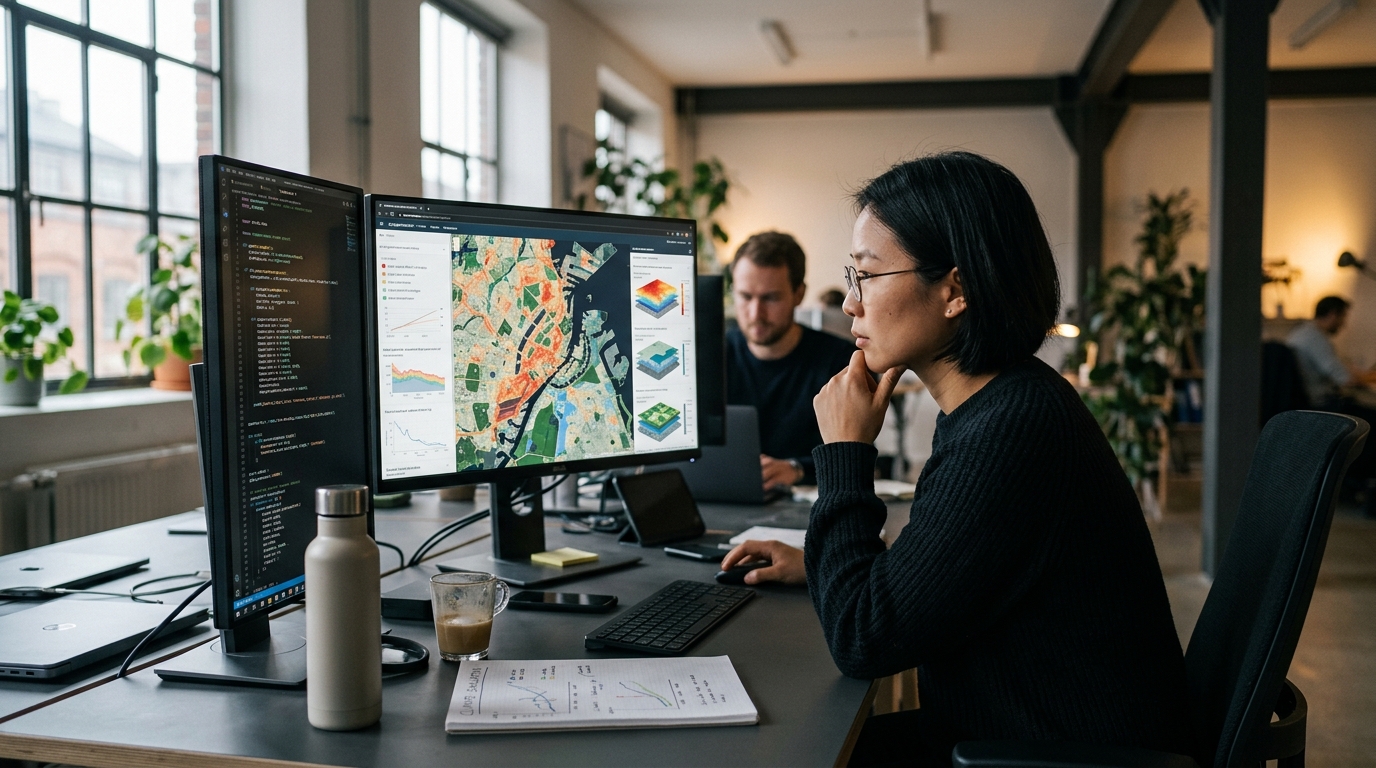
The climate crisis is no longer a distant threat but a daily reality testing the resilience of modern metropolises. From heatwaves turning concrete centers into "thermal traps" to flash floods paralyzing infrastructure, our cities are called upon to be radically redesigned. In this context, the emergence of new Artificial Intelligence (AI) solutions for urban and climate design offers a powerful tool to urban planners and political leaderships, promising a new era of "smart" resilience.
The Digital Twin Revolution
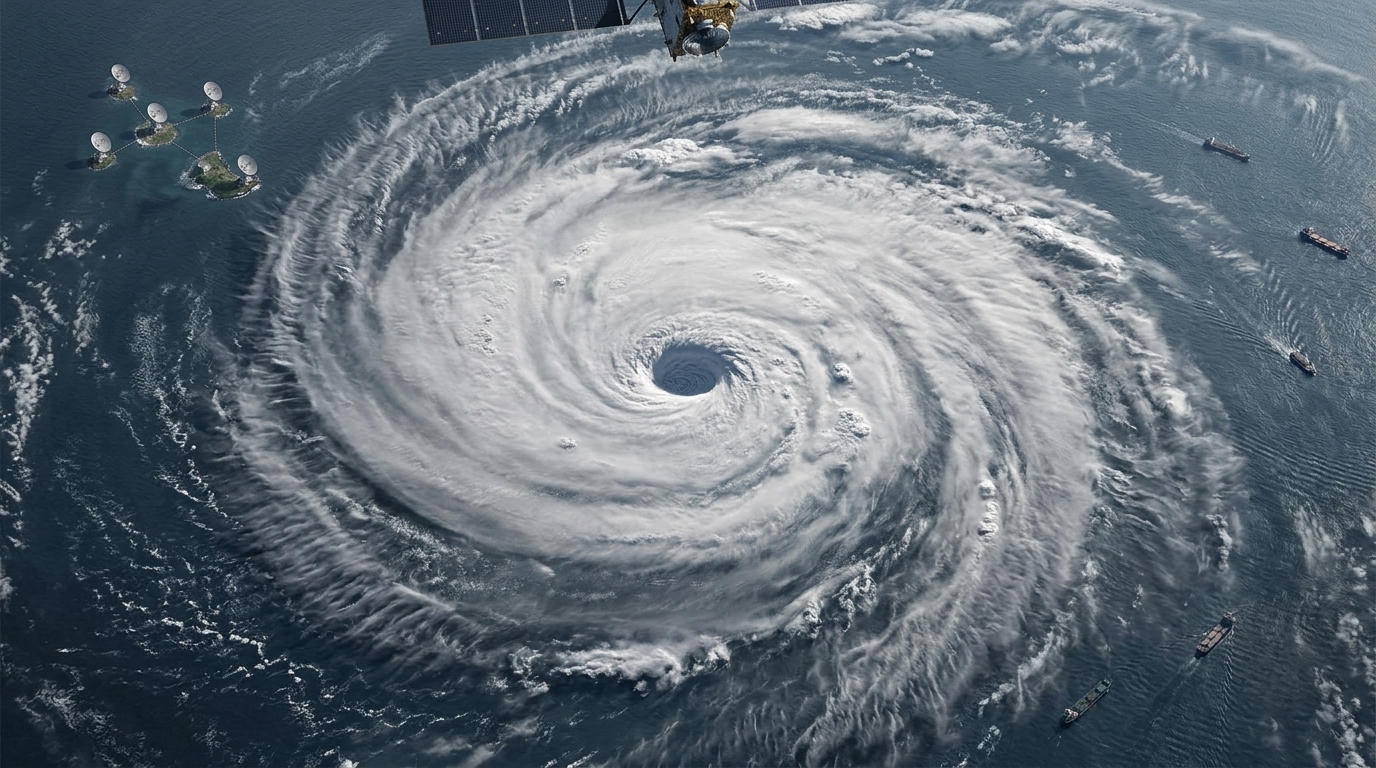
One of the most promising applications of AI in urban planning is the creation of "Digital Twins." These are highly detailed virtual replicas of entire cities, fed with real-time data from IoT sensors, satellite imagery, and historical climate records. AI processes this vast amount of information to simulate scenarios: What will happen if the temperature rises by 3 degrees? How will water runoff be affected if we replace asphalt with cool materials in a specific neighborhood?
These models allow designers to test interventions before a single brick is laid. For example, AI can accurately calculate the optimal placement of trees and green roofs to maximize natural cooling through evapotranspiration. It is no longer about aesthetic choices, but mathematically optimized survival solutions.
Tackling the Urban Heat Island Effect
Cities are often several degrees warmer than surrounding rural areas, a phenomenon known as the Urban Heat Island (UHI). The new generation of AI tools uses machine learning algorithms to identify "hotspots" within the urban fabric with square-meter precision. By analyzing building materials, construction density, and air circulation, AI proposes targeted interventions, such as creating "green corridors" that allow wind to penetrate the city center.
Furthermore, AI assists in energy management at the neighborhood scale. By predicting cooling needs during a heatwave, systems can adjust the operation of public buildings and power grids, avoiding blackouts and reducing the carbon footprint. The "smart" city of the future is not just digital; it is a city that "breathes" alongside its environment.
Water Management and Flood Protection
Climate change brings with it extreme rainfall events. Traditional sewers are often unable to handle the volume of water, leading to catastrophic floods. AI offers solutions through "Generative Design," proposing the configuration of parks that function as drainage basins or "Sponge Cities." Algorithms analyze topography and soil composition to indicate where permeable surfaces should be created to absorb water, protecting property and lives.
"Artificial Intelligence allows us to see the invisible — the flows of heat, air, and water — and to design with nature, not against it."
However, the implementation of these technologies is not without challenges. Data quality is crucial, and there is always the risk of a "digital divide" between wealthy and poor municipalities. Ethical issues regarding surveillance through sensors and the equitable distribution of resources must be at the center of public discourse. AI is the tool, but the vision for a fair and sustainable city remains a human responsibility.
Conclusion: Towards Human-Centric Technology
The new AI solution for urban design, as highlighted by recent developments, is not a luxury but a necessity. As the global urban population continues to grow, our ability to predict and adapt to climate challenges will determine the quality of life for future generations. Technology gives us the map; it is up to us to choose the path towards cities that will be not only smart but also deeply human.