The era of digital surveillance has entered a new, far more unsettling phase. It is no longer just about collecting data on what we buy or where we go. Today, in 2026, Artificial Intelligence (AI) has moved into the realm of "interpreting" human behavior, secretly assessing trustworthiness, productivity, and even mental health. This invisible judgment occurs in real-time, often without the individual knowing that their fate is being decided by a line of code.
Algorithmic Management in the Workplace
One of the most widespread applications of this technology is found in Human Resources. Many multinational corporations now utilize "algorithmic management" systems that go beyond simple time-tracking. These systems analyze the tone of voice in video calls, typing speed, and the frequency of breaks. Their purpose is not just to monitor performance, but to predict employee loyalty or the likelihood of resignation.
The problem is exacerbated by the fact that these evaluations are often "black boxes." An employee might face a negative review or even termination because an algorithm detected "signs of fatigue" or "reduced engagement" in the metadata of their daily activities. The lack of transparency makes it impossible to contest these decisions, creating a digital panopticon where compliance is the only means of survival.
Financial Exclusion and Social Scoring
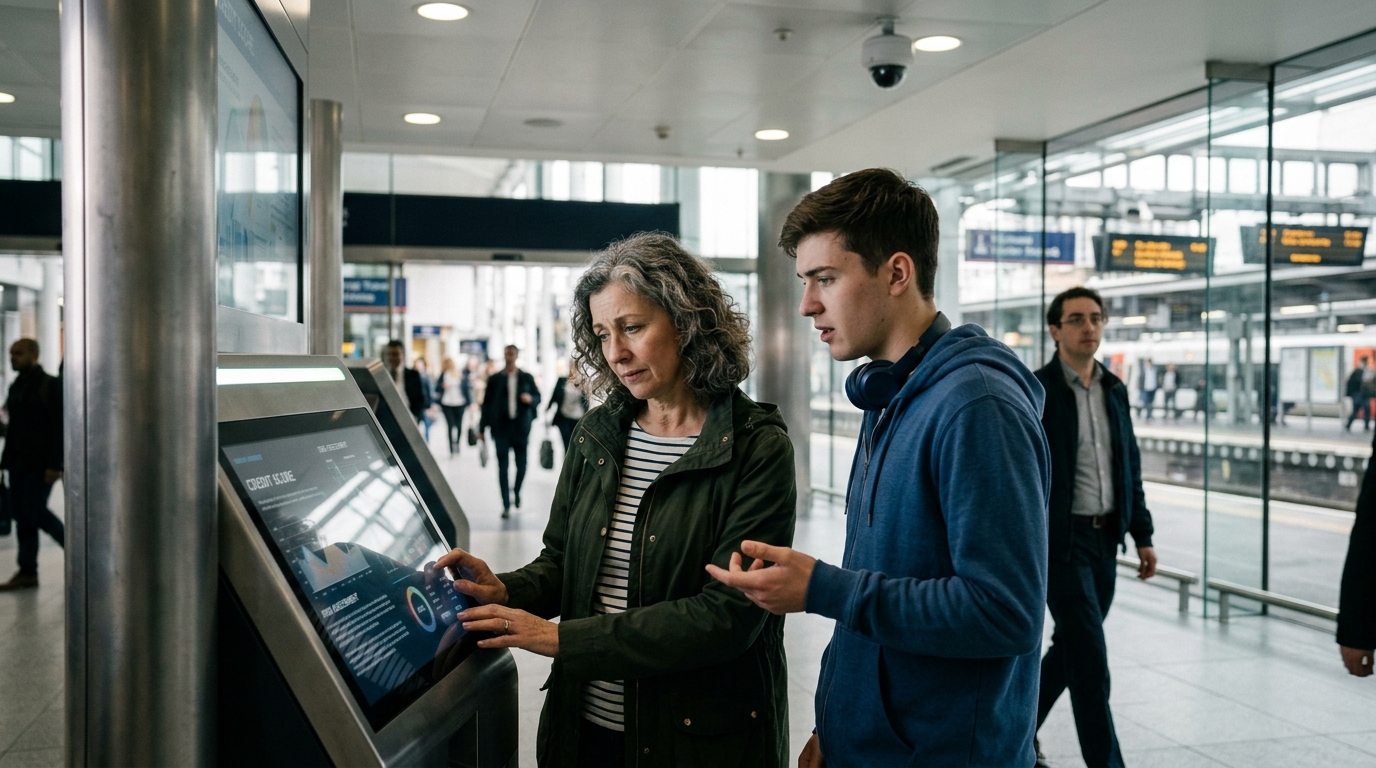
Beyond the workplace, secret evaluations are expanding into the financial sector. Traditional credit scoring methods are being replaced by "alternative data." Algorithms examine a person's digital footprint: from social media posts to how consistently they charge their mobile phone. According to some studies, people who keep their battery charged tend to be more reliable in their payments.
- Social network analysis to determine social circles and financial risk.
- Use of biometric data to estimate health and set insurance premiums.
- Predictive policing through algorithms that assess the "probability of delinquency" in specific neighborhoods.
This practice leads to a new type of social stratification. If an algorithm decides that your friends or your shopping habits suggest high risk, you may be excluded from loans, insurance, or even apartment rentals, without ever knowing the true reason.
The Ethical and Legal Vacuum
Despite the implementation of the AI Act in the European Union, companies are finding ways to bypass regulations by citing the trade secrecy of their algorithms. The ethical dimension is immense: Can a machine understand the context of human life? The answer is usually no. AI relies on statistical correlations, which often contain biases pre-existing in the training data.
"The conversion of human experience into measurable data for evaluation is the greatest threat to individual liberty in the 21st century," state digital rights experts.
The need for a "human-in-the-loop" is more urgent than ever. It is not enough to have laws that protect our data; we need laws that protect our autonomy from algorithmic judgment. The battle for transparency is not just about technology, but about the very essence of human dignity in a data-driven world.
Conclusion: Reclaiming Control
As we move deeper into 2026, society must decide whether to allow AI to function as an invisible judge. Public awareness is the first step. We must demand the "right to explanation" for every automated decision that affects us. Technology should be a tool for human empowerment, not a hidden mechanism for scoring and disciplining. Transparency is not a luxury; it is the prerequisite for democracy in the digital age.