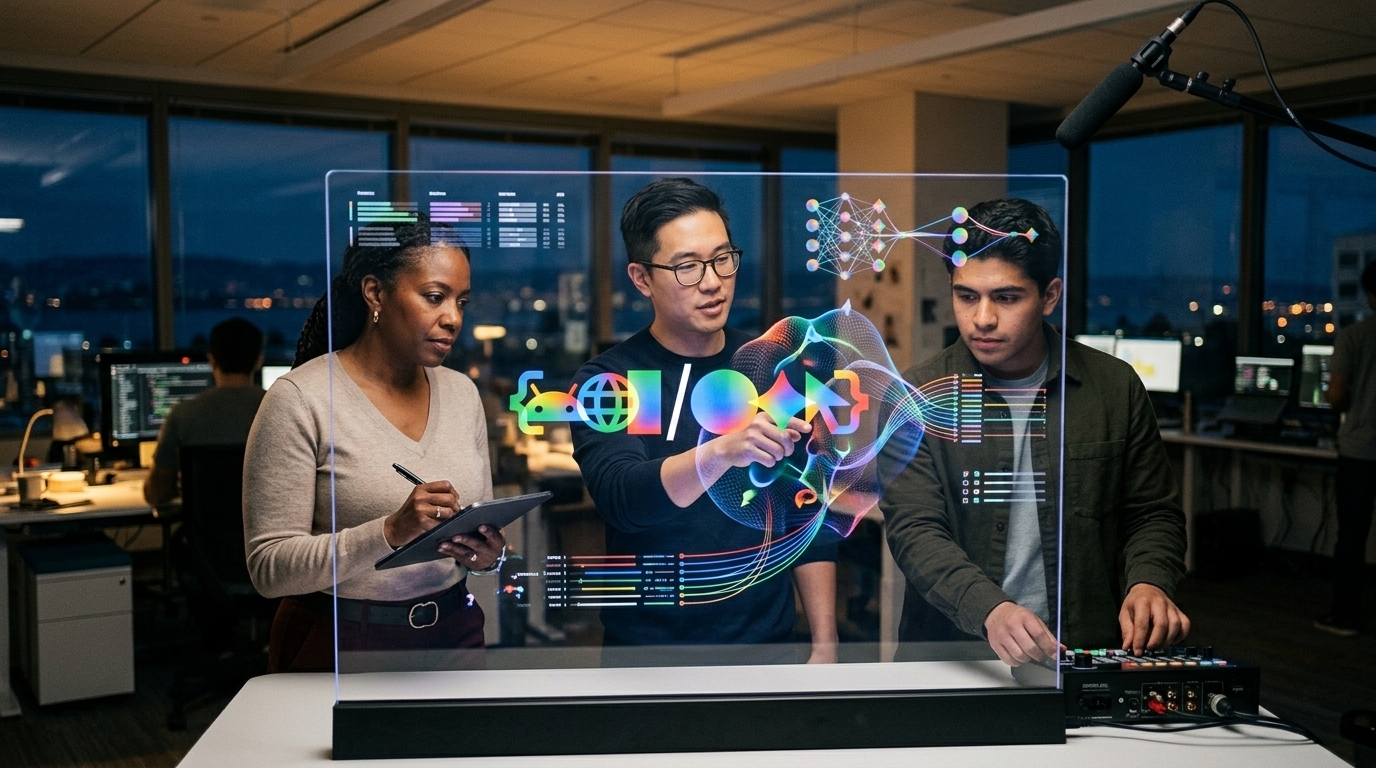
The global IT recruitment market is facing one of its most structural shifts in the last twenty years. This is not merely about the appearance of new tools, but a complete overhaul of how companies identify, evaluate, and hire talent. As we move through 2026, Artificial Intelligence (AI) is no longer a simple assistant in the HR office; it has become the central pillar of an automated process that promises speed but carries the risk of dehumanization.
The Algorithmic Arms Race: Candidates vs. Recruiters
The current state of IT hiring is often described as an "arms race" between applicants and employers. On one side, candidates are using advanced Large Language Models (LLMs) to create "perfect" resumes and cover letters, meticulously tailored to the keywords sought by Applicant Tracking Systems (ATS). On the other side, companies are deploying AI tools to screen thousands of applications in seconds, often rejecting highly qualified professionals who do not fit a rigid algorithmic template.
The result is a saturation of the system. According to recent reports from emerging markets like Vietnam and India, application volumes have surged by 300%, while the quality of initial interactions has plummeted. Recruiters no longer read resumes; they train models to read them on their behalf. This dynamic creates a paradox: while technology should facilitate human connection, it often erects a digital wall between them.
The Crisis of Technical Interviews and the Rise of AI-Proctoring
For decades, the technical coding interview was the "gold standard" for assessing a programmer's worth. Today, this model is collapsing. With tools like GitHub Copilot and ChatGPT capable of solving complex algorithmic problems in seconds, traditional take-home assignments have lost their credibility. Companies are responding by implementing AI-driven proctoring—tools that monitor eye movement, keystrokes, and ambient sound during exams to prevent the use of unauthorized aids.
"We are no longer hiring people who know how to write code, but people who know how to prompt AI to write code," says a tech executive from Hanoi.
This shift is also changing the nature of the skills being sought. Proficiency in "architectural thinking" and "critical code analysis" now outweighs simple syntax memorization. Hiring now focuses less on "what you know" and more on "how you learn and how you collaborate with machines."
Geopolitical Implications and New Talent Hubs
The disruption of recruitment also has a strong geopolitical dimension. Countries like Vietnam, which have traditionally been destinations for low-cost outsourcing, are rapidly moving up the value chain. Easy access to AI tools allows developers in emerging economies to bridge the productivity gap with their counterparts in the West. However, automation also threatens entry-level positions, as many tasks previously assigned to junior developers are now performed by AI.
Governments in these regions are investing heavily in workforce retraining. The stakes are clear: whichever nation integrates AI into its educational process the fastest will dominate the global IT market in the coming years. The "democratization" of knowledge through AI means that talent can now be found anywhere, provided the recruitment infrastructure is capable of recognizing it.
The Ethical Dimension and the Risk of Bias
Finally, we cannot ignore the ethical implications. Recruitment algorithms are trained on historical data, which often contains human biases. There is a risk that AI will systematically exclude women, minorities, or individuals from specific educational backgrounds simply because they do not "look like" the profile of successful employees from the past. Algorithmic transparency and human-in-the-loop oversight remain essential safeguards for a fair future of work.