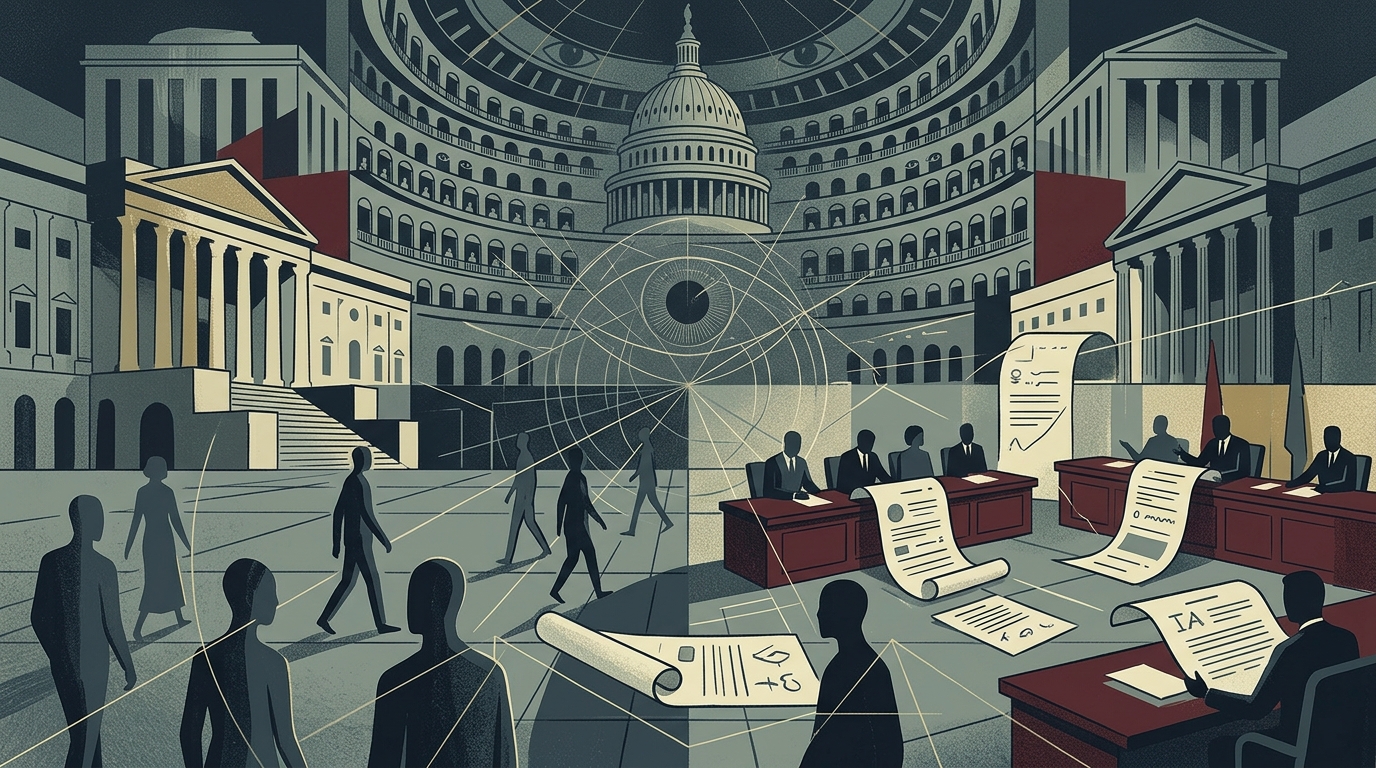
The history of labor has always been a story of apprenticeship. From medieval guilds to the graduate programs of modern multinationals, the formula was simple: young entrants took on the 'tedious' and repetitive tasks, learning the secrets of the trade through practice to eventually evolve into experienced leaders. Today, this fundamental model faces an existential threat. Artificial Intelligence (AI) is not merely arriving to assist the worker; in many cases, it is arriving to replace the 'junior' entirely.
The Collapse of Traditional Apprenticeship
In sectors such as programming, legal research, content creation, and data analysis, tasks traditionally assigned to new hires are now being performed by Large Language Models (LLMs) in fractions of a second and at a minimal cost. For a business, the temptation is immense: why hire an intern or a junior with a salary, benefits, and a need for training, when an AI subscription can draft a report or debug code with similar—or even superior—accuracy?
However, this short-term resource saving conceals a strategic trap. If young people are not hired to perform foundational tasks, how will they gain the experience required to become the 'seniors' of tomorrow? The resulting skills gap threatens to leave enterprises without experienced personnel five or ten years from now, as the bridge between education and expertise is dismantled.
The Productivity Paradox and the 'Seniorization' of Work
We are witnessing a phenomenon where the entry-level bar is being raised to impossible heights. Job postings for 'junior' roles now frequently demand 3-5 years of experience, effectively erasing the starting point of a career. This is because companies expect humans to only do what AI cannot—which is high-level strategic thinking and complex problem-solving. But these are skills honed through years of doing the 'grunt work' that is now being automated.
- Automated customer service is hollowing out entry-level service roles.
- AI coding assistants make junior developers less essential for initial builds.
- Automated copywriting and translation are disrupting the creative and communication sectors.
The solution cannot be a rejection of technology, but a radical redefinition of what a 'junior' role entails. Businesses must stop viewing young hires as cheap labor for routine tasks and begin training them as 'AI orchestrators' from day one.
The Human Element: Judgment over Output
Despite AI’s efficiency, there is something technology cannot substitute: critical thinking, empathy, and contextual understanding. Young workers must now start where they previously would have arrived after years of experience. Education must shift from execution to oversight.
"AI can write the code, but it cannot understand why a product needs to pivot to serve a human need," market analysts argue.
In this new landscape, the responsibility also falls on governments and educational institutions. Incentives are needed for companies that invest in maintaining and training junior staff. Furthermore, universities must undergo deep reforms so that graduates are not taught skills that AI has already rendered obsolete. The risk of a 'lost generation' is not just a social concern; it is a long-term economic threat to the viability of the global corporate ecosystem.