In the rapidly evolving landscape of artificial intelligence, where the line between reality and digital fabrication grows increasingly thin, Taylor Swift is no longer content with merely rewriting record books. The American superstar, renowned for her fierce protection of intellectual property, is making a move that could redefine the legal framework of the entertainment industry for decades to come. Her recent filing for trademarks concerning her voice, image, and name against AI applications marks the first significant attempt by a global icon to erect a digital fortress.
The Strategy of Digital Fortification
Swift’s maneuver is far from accidental. Following the disturbing wave of AI-generated deepfakes that flooded social media earlier this year, the necessity for a robust legal shield became undeniable. Traditionally, the "right of publicity" offered some protection, but generative AI operates in a legal gray area that existing precedents struggle to address. By applying for trademarks, Swift is transforming her identity from an abstract personality right into a concrete commercial asset.
This approach allows her legal team to move with greater agility against platforms hosting unauthorized AI-generated content. It is no longer just a matter of defamation or copyright infringement, which often require lengthy litigation to prove "substantial similarity." A trademark offers a more direct mechanism: if an AI model uses her name or voice to promote a product or service, the infringement is clear-cut, allowing for immediate enforcement.
Industry Impact and Legal Precedent
This move sends a thunderous message to the tech industry. Companies developing Large Language Models (LLMs) and voice synthesizers often train their systems on vast troves of data without seeking consent from the original creators. Swift, having already won the battle for her master recordings through her "Taylor’s Versions" project, understands the power of ownership better than most.
Analysts predict this will trigger a domino effect. Already, organizations like SAG-AFTRA are lobbying for the "NO FAKES Act" in the United States, which aims to protect individuals' voices and likenesses from unauthorized digital replicas. However, Swift’s private initiative demonstrates that artists cannot wait for legislation to catch up. They must build their own defenses.
- Voice Protection: AI’s ability to clone voices with haunting accuracy threatens the market for audiobooks, voiceovers, and endorsements.
- Digital Likeness: Deepfakes are not just an ethical concern but a massive economic threat to a celebrity's brand equity.
- Training Data: Restricting the use of "Taylor Swift" as a prompt in AI models could be the next frontier in intellectual property law.
The Ethical Dimension: Who Owns the Self?
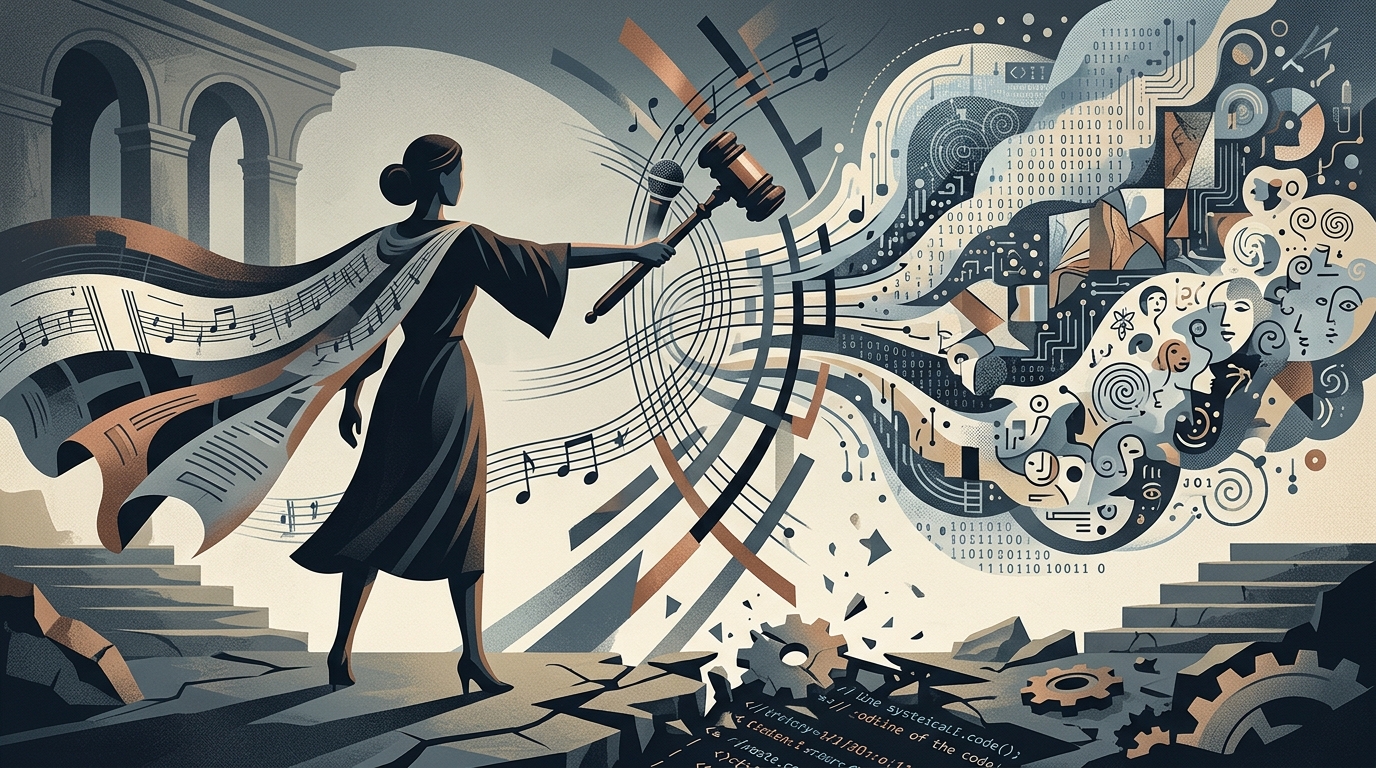
Beyond the financial implications, Swift’s move raises profound philosophical questions. In an era where our digital presence is as significant as our physical one, trademarking one's identity might seem extreme, yet it may be the only viable solution. AI has the potential to "democratize" creativity, but if that creativity is built upon the theft of another human being's essence, the progress is illusory.
"If you do not own your image and your voice, you own nothing in this new digital reality," state legal experts monitoring the case.
Swift is not merely protecting herself. She is acting as a vanguard for thousands of smaller artists who lack the resources to challenge tech giants. If her legal team successfully establishes these trademarks, it will pave the way for a new category of "digital rights" that could eventually protect every citizen, not just the famous.
Conclusion
Taylor Swift’s battle against unregulated AI is the most significant legal conflict of the decade in the cultural sphere. As technology continues to advance at breakneck speed, the need for human intervention and legal clarity becomes paramount. Swift, once again, proves to be a visionary entrepreneur who understands that the future does not belong to those with the best technology, but to those who maintain control over their authenticity.