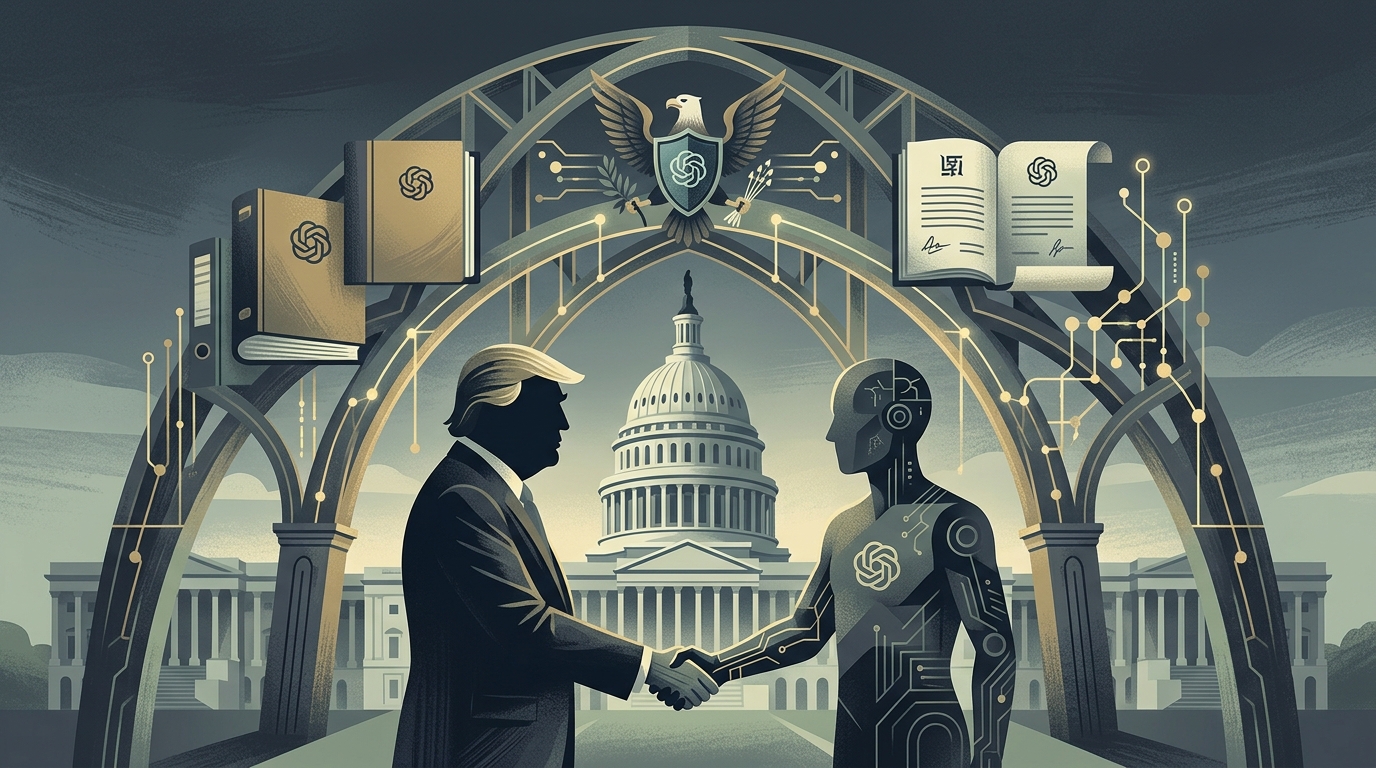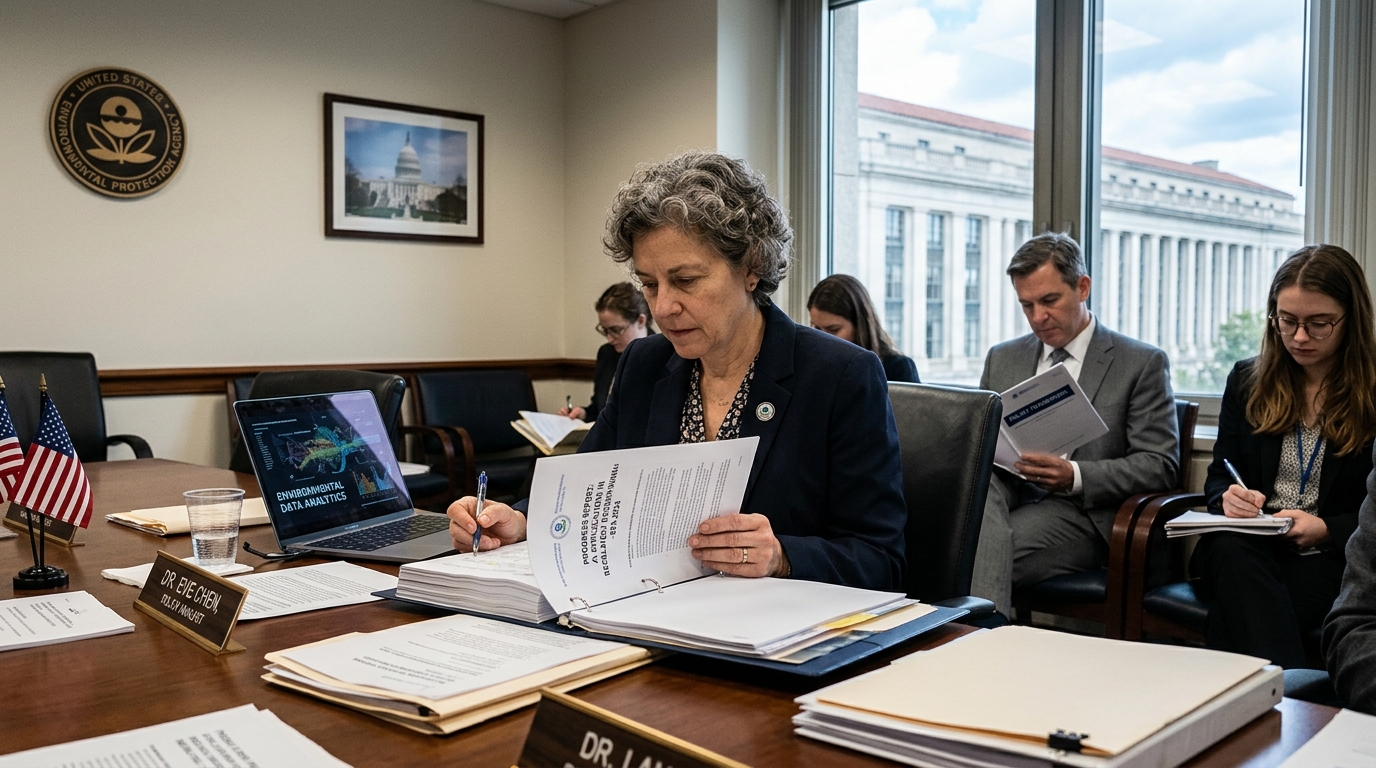
The U.S. Environmental Protection Agency (EPA) stands at a critical juncture. As we move through 2026, the urgency to address climate change and pollution with greater precision has propelled the agency into adopting Artificial Intelligence (AI) tools at an unprecedented scale. However, the transition from traditional oversight methods to algorithmic decision-making models is fraught with challenges. The recent assessment of the EPA's progress, as analyzed by legal experts and the National Law Review, reveals a complex picture of technological ambition met with bureaucratic caution.
The Strategic Framework and Federal Compliance
The EPA's journey toward AI integration was largely defined by Executive Order 14110 in late 2023, which established the groundwork for safe and trustworthy AI development across federal agencies. To date, the EPA has compiled a comprehensive inventory of AI use cases, ranging from permit processing to toxicological data analysis. The agency’s strategy focuses on automating labor-intensive tasks, thereby allowing its scientists to concentrate on more nuanced and complex environmental issues.
Yet, deploying these tools requires a delicate balance. The EPA must ensure that the AI models it employs are transparent and explainable. In a legal landscape where agency decisions are frequently challenged in court, relying on a "black box" algorithm to issue fines or set emission limits could prove fatal to the agency's mandates. The EPA is now heavily investing in "Explainable AI" (XAI), attempting to build bridges of trust with both the public and regulated entities.
Applications in Monitoring and Enforcement
One of the most promising applications of AI at the EPA is the use of satellite imagery and IoT sensors to detect illegal methane leaks and other pollutants in real-time. Historically, facility inspections were often a hit-or-miss sampling process. With machine learning, the EPA can now predict which facilities are most likely to be in violation, reportedly improving inspection efficiency by up to 30%.
- Air quality forecasting in urban centers using high-fidelity historical data.
- Automated triage of thousands of public comments during regulatory notice periods.
- Molecular structure analysis to predict the toxicity of new chemicals before they enter the market.
This shift toward "predictive regulation" is changing the game for industry stakeholders. Companies are now being nudged to adopt their own AI systems to monitor compliance, creating a new ecosystem of digital environmental governance that leaves little room for manual reporting errors.
Legal Hurdles and the "Black Box" Dilemma
Despite the operational benefits, the legal community is raising significant alarms. The central question remains: Who is responsible when an AI system fails? If an algorithm underestimates the risk of a chemical substance, the public health consequences could be catastrophic. Furthermore, with the weakening of "Chevron deference" by the Supreme Court, judges are now less likely to blindly accept an agency's technical expertise, especially when that expertise is derived from opaque algorithmic models.
"The defensibility of EPA decisions in the future will depend not only on scientific validity but also on the agency's ability to prove that AI does not introduce 'arbitrariness' into the administrative process," notes the National Law Review's assessment.
Moreover, there is the persistent risk of "algorithmic bias." If the training data for AI models reflects historical inequities, the AI might continue to overlook disadvantaged communities, undermining environmental justice initiatives. While the EPA has committed to regular algorithmic audits, the practical implementation of these safeguards remains a work in progress.
The Future of Regulatory AI
Looking ahead, the EPA aims for the complete digitization of its regulatory framework. This includes the creation of "digital twins" for ecosystems, where the potential impacts of a new regulation can be simulated in a virtual environment before being enacted in the real world. However, the success of this vision hinges on sustained funding and the agency's ability to attract top-tier tech talent—a field where competition with the private sector is notoriously fierce.
In conclusion, the EPA's progress in deploying AI is impressive but fragile. The technology offers the tools for a cleaner world, but its use demands rigorous oversight, ethical grounding, and, most importantly, legal clarity. The EPA’s path will serve as either a blueprint or a cautionary tale for regulatory bodies worldwide in the age of artificial intelligence.