As we navigate the landscape of early 2026, the collision between the creative industries and generative artificial intelligence has reached a critical tipping point. At the center of this cultural and legal maelstrom stands Taylor Swift. Once again, she is pivoting from global pop icon to a formidable legislative force, spearheading a movement to protect the most intimate aspects of a person’s identity: their voice and likeness.
The Legislative Counter-Strike: The ELVIS Act and Beyond
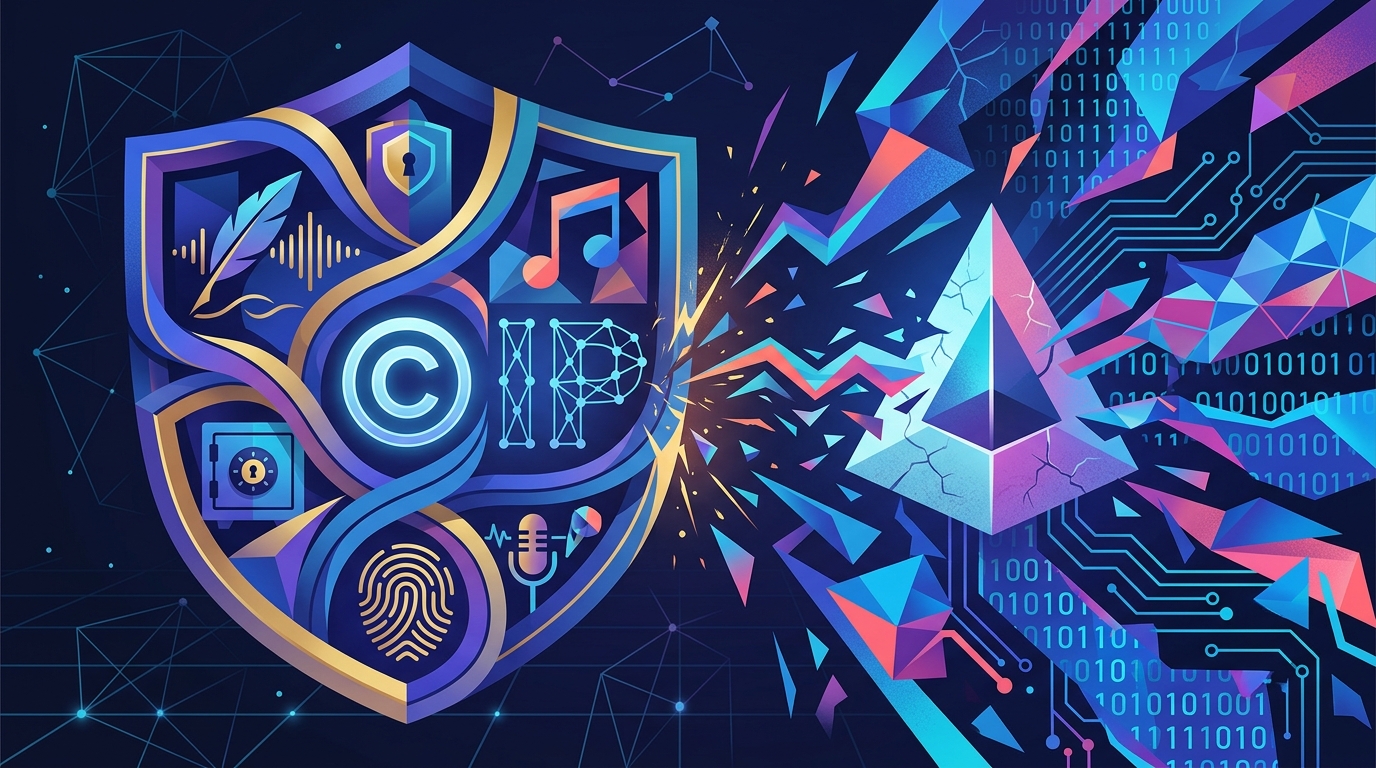
The impetus for Swift’s heightened activism was the proliferation of sophisticated deepfakes in 2024 and 2025, ranging from unauthorized commercial endorsements to malicious explicit content. The first major victory in this campaign occurred in Tennessee with the passage of the ELVIS Act (Ensuring Likeness Voice and Image Security). This landmark legislation was the first in the United States to explicitly recognize an individual's voice as a protected property right, preventing AI models from mimicking it without consent.
Swift is now leveraging her immense cultural capital to push for federal adoption of the "No FAKES Act." Her legal team argues that without a unified national standard, the digital wild west will continue to exploit artists.
"This isn't just about protecting a brand; it's about the fundamental human right to own one's self in an increasingly synthetic world," a spokesperson for the artist noted during a recent congressional briefing.
The Ethical Dimension of Digital Personhood
The debate extends far beyond the balance sheets of record labels. The ethical implications of AI cloning strike at the heart of human dignity. When an artist’s voice—the very instrument of their soul—is used to utter words they never spoke or endorse products they despise, the integrity of the person is violated. Swift’s crusade is framed not as a rejection of technology, but as a demand for consent.
- The requirement for explicit opt-in consent for AI training data.
- Mandatory digital watermarking for all AI-generated media.
- Legal liability for platforms that fail to remove non-consensual deepfakes.
Tech giants in Silicon Valley often argue that such stringent regulations could stifle innovation and infringe upon fair use. However, the creative community counters that innovation cannot be built upon the theft of human identity. Swift, who famously took on Spotify and Apple Music and successfully re-recorded her entire early catalog to regain control of her masters, has proven she has the stamina for a long-term legal war.
The Political Clout of the 'Swifties'
One cannot ignore the geopolitical and domestic political weight of Swift’s fanbase. In a digital-first society, the ability to mobilize millions of young, tech-savvy voters is a power few politicians can ignore. By framing the AI issue as one of personal safety and digital autonomy, Swift has made it a bipartisan concern. In Washington and Brussels, lawmakers are beginning to see that protecting likeness rights is not just a favor to celebrities, but a necessary safeguard for all citizens in the age of deepfakes.
The strategy involves building a broad coalition including actors, journalists, and everyday citizens who have been victims of digital impersonation. The argument is simple: if AI can replace a star of Swift's magnitude, no one's digital identity is safe from exploitation.
A New Social Contract for the AI Era
Looking ahead toward the end of 2026, the resolution of these legal battles will likely form the basis of a new social contract regarding AI. If Swift succeeds, she will have helped establish a framework for "digital self-determination." If the tech industry prevails, we may enter an era where authenticity becomes a luxury and the human element in art is permanently diluted. Swift’s legacy may ultimately be defined not just by her discography, but by her role as the architect of 21st-century intellectual property law. She is standing as a bulwark against the digital colonialism of big tech, fighting for a future where the 'real' still holds value.