In an era where Artificial Intelligence (AI) is rapidly transforming every facet of the global economy, Joseph Stiglitz, the Nobel Prize-winning economist and Columbia University professor, is sounding an urgent alarm. His concern is not with the technology itself, but with the power structures surrounding it. According to Stiglitz, the rise of AI threatens to create an unprecedented concentration of wealth in the hands of a small elite—the so-called 'tech bro' class—while simultaneously undermining labor market stability and the social contract.
The Silicon Valley Contradiction
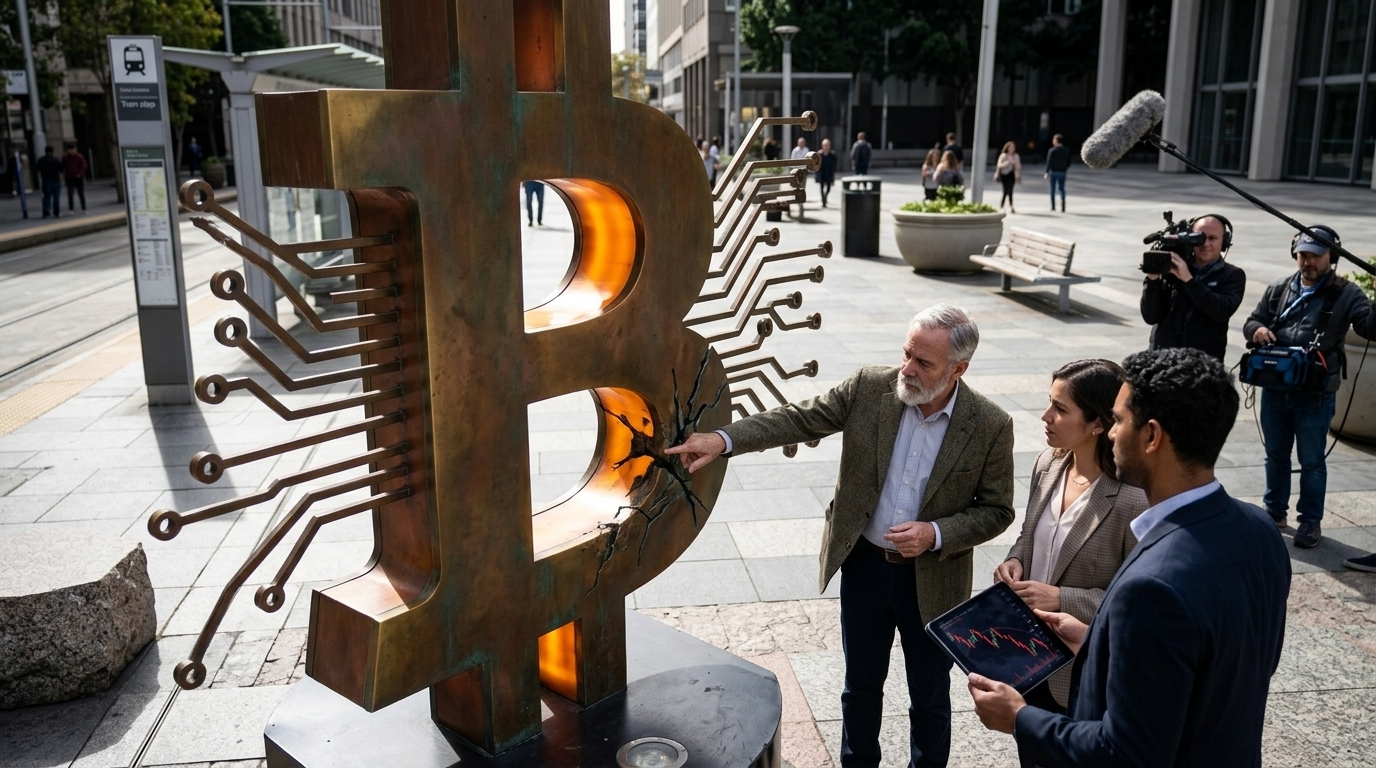
Stiglitz’s central argument, as articulated in recent discussions, focuses on a profound political and economic contradiction. Tech leaders, who present themselves as visionaries meant to save humanity through innovation, are often the same individuals lobbying intensely for a reduction in government oversight and taxation. "Unfortunately, the tech bros, who are obviously advocates of this, are at the same time pushing for smaller government," Stiglitz told Fortune.
This stance is dangerous, the economist argues, because the transition to an AI-dominated economy will require more, not less, government intervention. When jobs are lost to automation, the state is the entity that must provide retraining, social protection, and a safety net. If state resources are depleted due to tax avoidance by tech giants, social upheaval becomes an inevitability.
Income Inequality as a Systemic Threat
Stiglitz analyzes AI through the lens of 'rent-seeking.' In economic theory, this occurs when an entity gains wealth not through the creation of new value, but through the control of resources or monopoly power. Big Tech companies control the data and computational power required to train large language models. This allows them to extract massive profits, while the productivity gains offered by AI are not trickling down to workers in the form of higher wages.
- Data concentration creates natural monopolies that are difficult for startups to challenge.
- Automation tends to replace middle-skill jobs, pushing workers into low-wage service sectors.
- A lack of regulatory frameworks allows companies to exploit intellectual property without fair compensation.
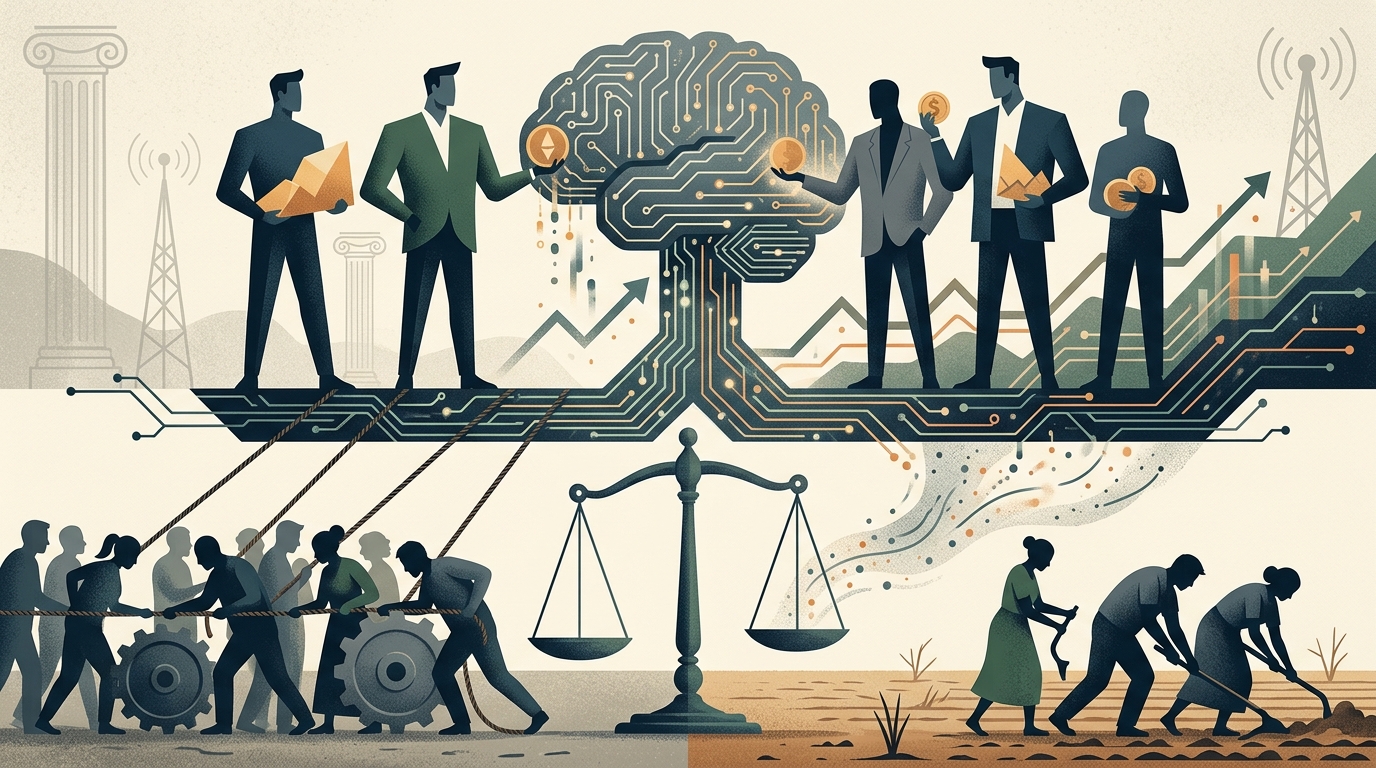
The danger, according to Stiglitz, is the creation of a two-tier society: on one side, the owners of the algorithms who accumulate wealth beyond imagination, and on the other, a mass of workers desperately competing for the remaining jobs that a machine cannot yet perform.
Toward a New Social Contract
To avoid this dystopian scenario, Stiglitz proposes a radical overhaul of economic policy. First, more aggressive antitrust legislation is needed to break the dominance of Big Tech. Second, the taxation of AI-derived profits must be increased to fund public investments in education and the green transition.
"If we don't ensure that the benefits of AI are shared fairly, then technological progress will become the tool of social disintegration," he warns.
Stiglitz’s critique is not an attack on technology, but a call for the return of politics to the forefront. AI is not a natural force like the weather; it is a human creation governed by rules. If those rules are written by those who benefit most, the result will be the further impoverishment of the middle class. The challenge for 21st-century governments is to harness the power of AI for the public good, resisting the allure of the "libertarian" capitalism preached by the leaders of Silicon Valley.