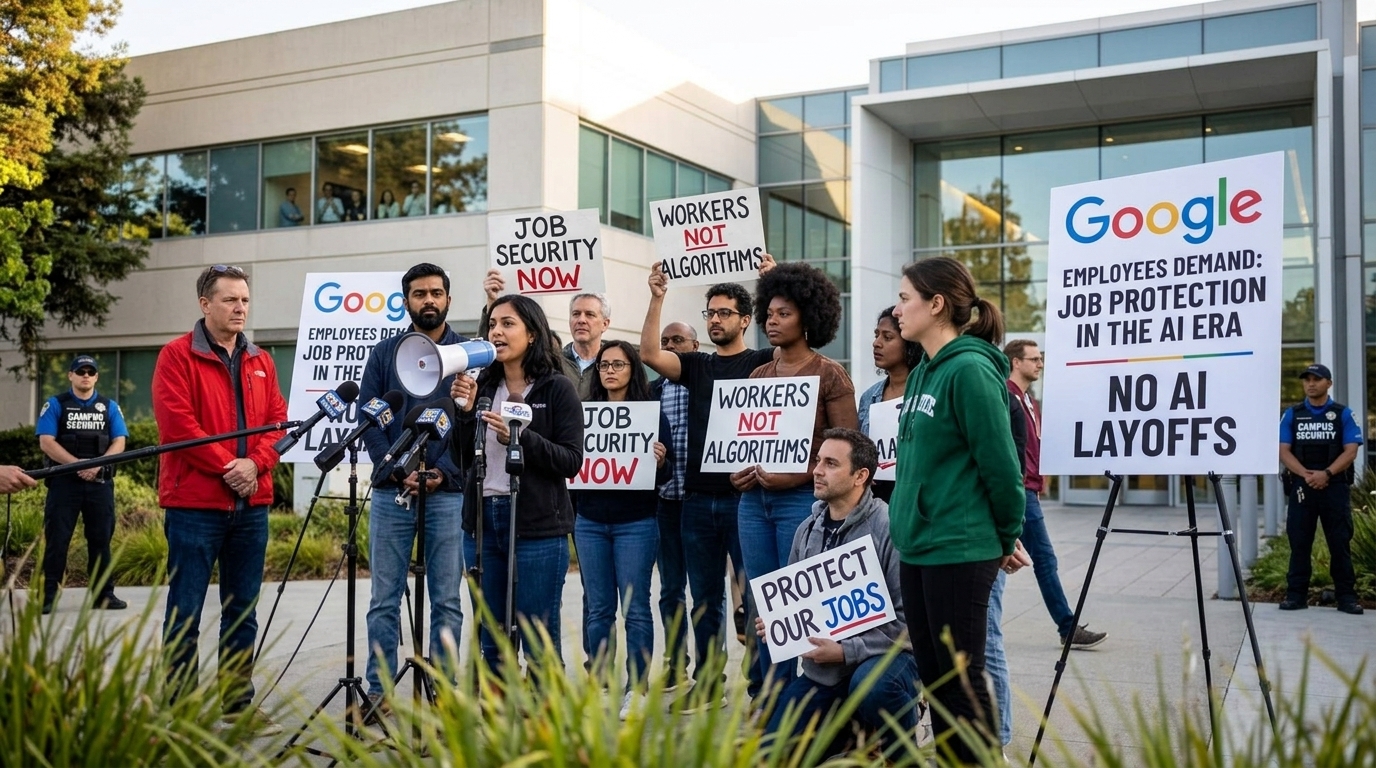
The rapid proliferation of Artificial Intelligence (AI) is not only transforming how we work but also the very foundations of our economic systems. In a recent intervention that has sparked widespread debate, a prominent tech executive, speaking to the BBC, proposed a radical solution to address the impending employment crisis: the implementation of a "robot tax." While not a new concept, this proposal is gaining fresh momentum as algorithms begin to replace not just manual labor, but complex cognitive functions as well.
The Philosophy Behind the Automation Tax
The argument is simple yet profoundly disruptive. When a piece of AI software or a physical robot replaces a human worker, the employer saves on social security contributions and payroll taxes that would otherwise flow into public coffers. This creates a fiscal vacuum in tax revenues that fund healthcare, education, and pensions. By imposing a tax on automation, companies would be incentivized to slow the pace of human displacement, while the generated revenue could fund retraining programs or even a Universal Basic Income (UBI).
However, implementing such a measure presents immense technical challenges. How do you define a "robot" in the era of cloud computing? Is a sophisticated Excel macro a "robot" if it automates the work of an accountant? The ambiguity of definitions is the primary weapon for those opposing the measure, who argue that such a tax would act as a brake on innovation and productivity gains.
Economic Implications and Social Cohesion
The history of industrial revolutions teaches us that technology creates more jobs in the long run than it destroys. However, the velocity of the AI revolution is unprecedented. Unlike the 19th century, where workers had decades to adapt, today's transformation is occurring within a few short years. Proponents of the tax argue that social cohesion is at risk if a large segment of the population finds itself suddenly marginalized.
- Funding social safety nets for those displaced by automation.
- Reducing incentives for the premature replacement of humans by imperfect AI systems.
- Rebalancing the tax burden between capital and labor.
On the other hand, critics, including many governments competing for investment, fear that the tax would drive tech firms to "automation tax havens." If Europe imposes a robot tax while the US or China does not, the continent risks falling behind in the global technological arms race, potentially leading to even greater economic decline.
The Political Dimension and the Road Ahead
The debate over the robot tax is, in reality, a debate about the distribution of wealth generated by technology. If productivity increases thanks to AI, but the profits are concentrated among a few platform owners, inequality will reach explosive levels. The question is no longer whether to tax AI, but how to do it effectively without stifling the very progress that could benefit society.
"Technology must serve humanity, not impoverish it. If the machine generates the wealth, then that wealth must have a social dividend," proponents of the proposal argue.
In conclusion, the proposal for a robot tax is a clarion call for a new social contract. As we move deeper into 2026, the pressure on policymakers to find a balance between technological progress and social justice will only intensify, making AI taxation one of the pivotal issues of the coming decade.