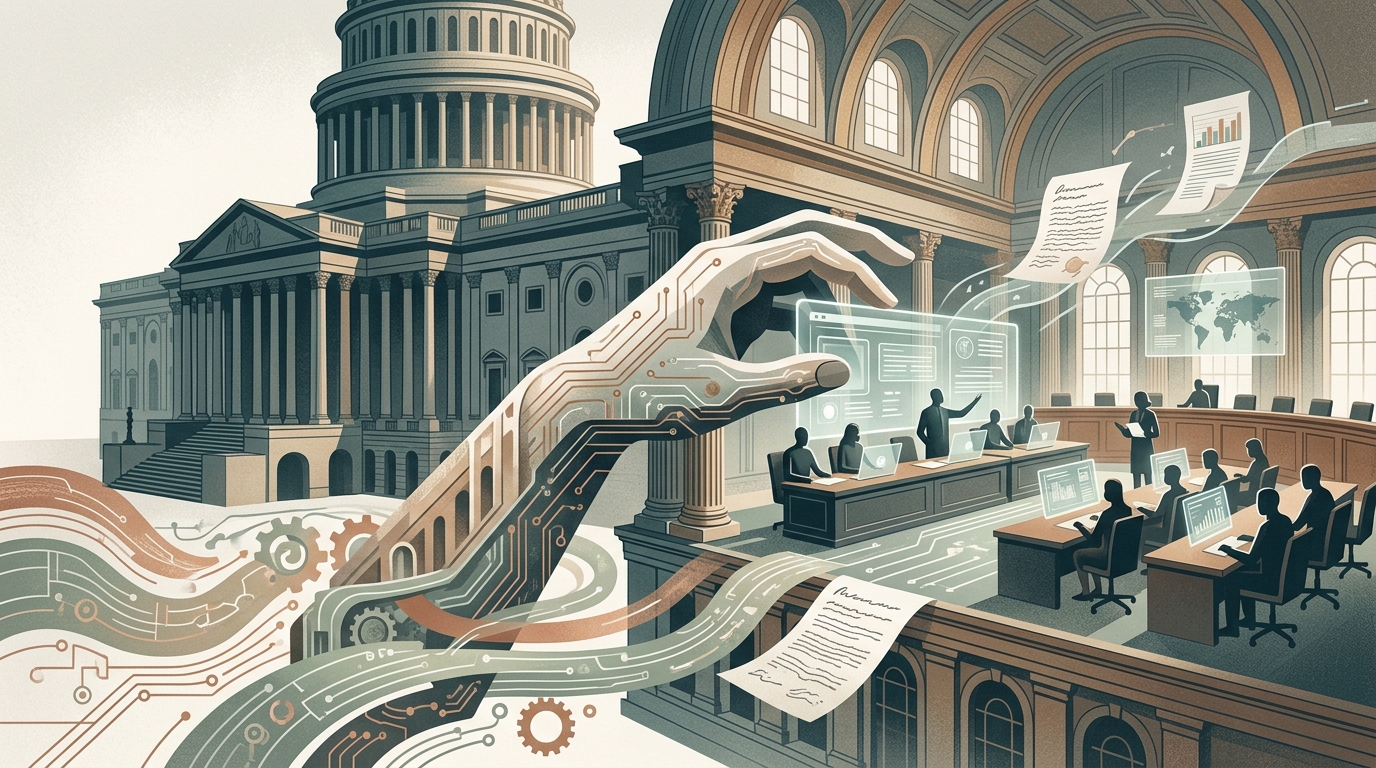
In an era where digital transformation is no longer a luxury but a fundamental necessity, the U.S. Internal Revenue Service (IRS) is making a decisive move. According to recent statements from agency leadership, Artificial Intelligence (AI) is now viewed as the linchpin for accelerating workforce training. Backed by funding from the Inflation Reduction Act (IRA), the IRS is not merely looking to replace legacy systems; it is aiming to reinvent how its employees acquire knowledge and expertise in a rapidly evolving financial landscape.
The Scale Challenge and the AI Solution
The IRS faces a daunting dual challenge: a massive wave of retirements among its most experienced staff and the urgent need to hire and train tens of thousands of new employees over the next decade. Traditionally, training an auditor or a customer service representative at the IRS required months, sometimes years, of mentorship and the study of incredibly complex tax codes. The introduction of Generative AI promises to drastically compress this timeline.
Harrison Smith, co-director of the IRS Enterprise Digitalization office, highlighted that the technology enables the creation of "digital mentors." These systems can parse vast amounts of internal data and provide new hires with instant answers to complex queries, effectively simulating the guidance of a veteran colleague. Furthermore, AI can generate personalized learning paths tailored to an individual employee's pace, ensuring that no recruit is left behind in the onboarding process.
Simulations and Interactive Learning
One of the most promising applications is the use of AI to simulate taxpayer interactions. New employees can practice handling difficult conversations or complex audits within a safe, virtual environment before engaging with the public. This "experiential" learning via AI reduces the anxiety of new hires and significantly improves the quality of service provided to taxpayers.
- Utilization of specialized LLMs to explain tax codes in plain language.
- Automated assessment of trainee progress and skill gaps.
- Creation of synthetic datasets for audit training without exposing real taxpayer information.
However, this transition is not without its hurdles. The IRS is placing a heavy emphasis on mitigating AI "hallucinations"—instances where the system might generate incorrect tax advice with high confidence. To counter this, the agency is adopting a strict "human-in-the-loop" approach, where AI serves as a collaborative assistant rather than a final decision-maker.
Ethics, Security, and the Future of Governance
Data security remains the paramount concern. The IRS is developing its own proprietary AI models within "walled gardens"—controlled environments that ensure sensitive taxpayer data never leaks into public models. This strategy serves as a blueprint for other government agencies looking to leverage AI while maintaining the highest standards of privacy and public trust.
"AI is not going to replace our people, but it is going to make them superhuman in their efficiency," internal sources suggest.
In the long run, the success of this initiative will determine whether the IRS can transform from a paper-heavy bureaucratic giant into an agile, tech-forward institution. Investing in AI-driven training is an investment in the social contract itself; faster, more accurate processing of tax matters benefits the entire economy. The challenge remains to balance technological speed with institutional integrity and the human touch necessary for fair tax administration.