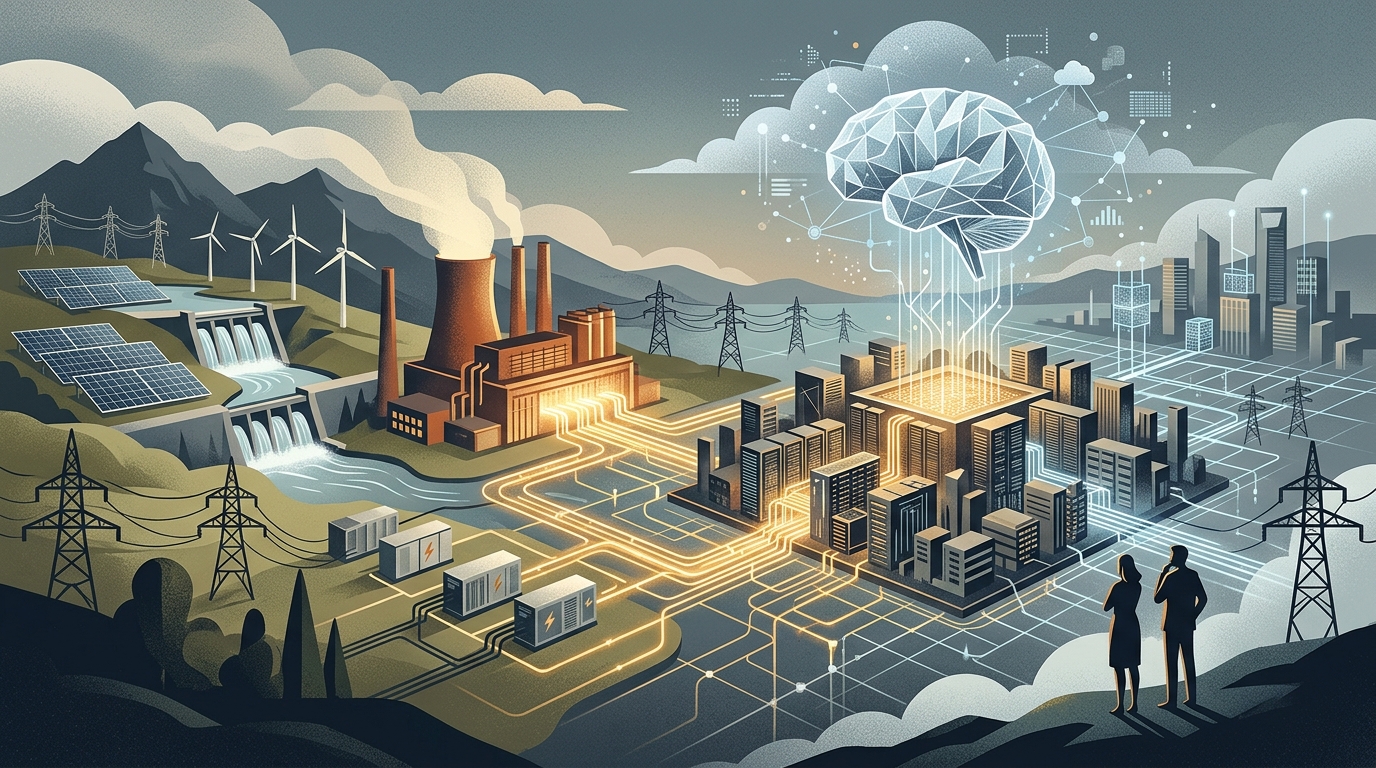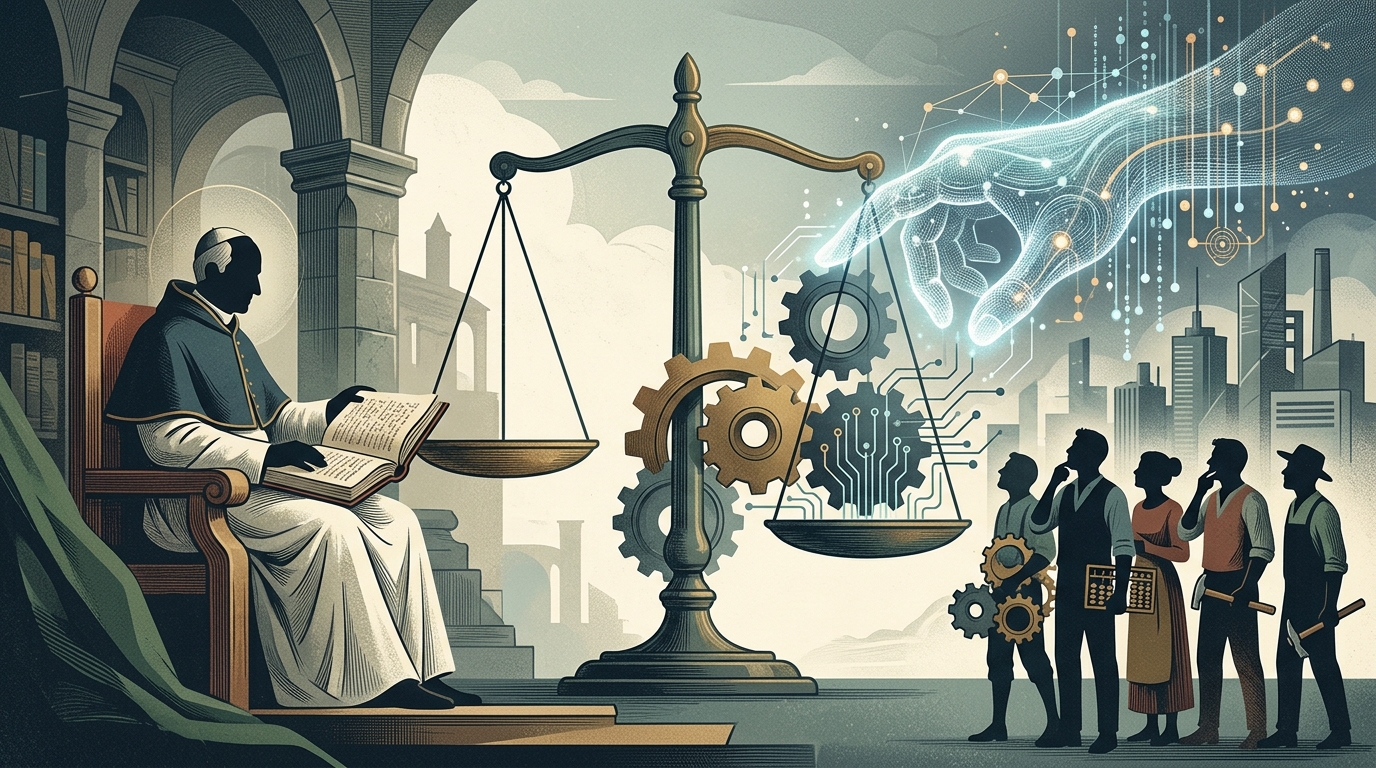
In an era where technological progress is often presented as an unstoppable force of nature, Pope Leo's recent intervention regarding Artificial Intelligence (AI) has caused a stir not only within the Church but also in the decision-making centers of the global economy. The Pontiff's warning is clear: the unchecked replacement of human labor by algorithms is not merely an economic challenge, but an existential threat to human dignity.
The Theology of Work in the Digital Age
Pope Leo, continuing the tradition of the Church's social teaching, argues that work is not just a means of livelihood, but a fundamental element of human identity. In his recent message, extensively analyzed by CNBC, the Pope emphasized that "algorethics" must guide the development of AI. His concern centers on the fact that automation could lead to an "economy of exclusion," where millions of people find themselves marginalized, deprived not only of income but of the meaning provided by creative employment.
According to the Vatican, technology must remain at the service of humanity and not the other way around. Pope Leo called on the international community to establish rules ensuring that AI enhances human capacity rather than displacing it. This position is not merely moral; it is deeply political, as it challenges the current model of surveillance capitalism and maximum efficiency at any cost.
Wall Street and the Fear of the "Empty Market"
The most striking element of this development is the alignment of the Pope's views with those of many seasoned Wall Street traders and analysts. While in the short term, AI is seen as a blessing for corporate profits due to cost reduction, long-term forecasts are causing trepidation among investors. Traders express concern that the mass unemployment potentially caused by AI will lead to a collapse in consumer demand.
"If machines do all the work, who will buy the products?"
This question, once belonging to the realm of science fiction, is now a central topic of discussion on trading floors. The market's concern does not stem from ethics, but from pure economic logic: an economy without workers is an economy without consumers. The shrinking of the middle class, which forms the backbone of global consumption, could lead to a prolonged period of deflation and economic stagnation.
Social Cohesion and the Risk of Unrest
Beyond economic indicators, both the Vatican and market analysts see the risk of social instability. History has shown that when large masses of the population feel marginalized and without prospects, political radicalization is inevitable. Pope Leo warned of the danger of a "technological dictatorship," where the few who own the technology control the fate of the many.
Traders, for their part, fear that social unrest will lead to stricter regulations, higher taxation on wealth and technology, or even the nationalization of AI companies. This uncertainty is the market's worst enemy. The need for a new "social contract" in the age of AI is becoming imperative, with proposals such as Universal Basic Income (UBI) gaining ground even in conservative economic circles.
Conclusion: An Unexpected Alliance
The convergence of religious ethics and economic realism marks a turning point in the AI debate. It is no longer a dispute between technophobes and technophiles, but a search for balance in a rapidly changing world. Pope Leo and the Wall Street merchants, despite their different motivations, reach the same conclusion: humanity must remain at the center of economic activity, otherwise, the future we are building will be rich in technology but poor in human essence.