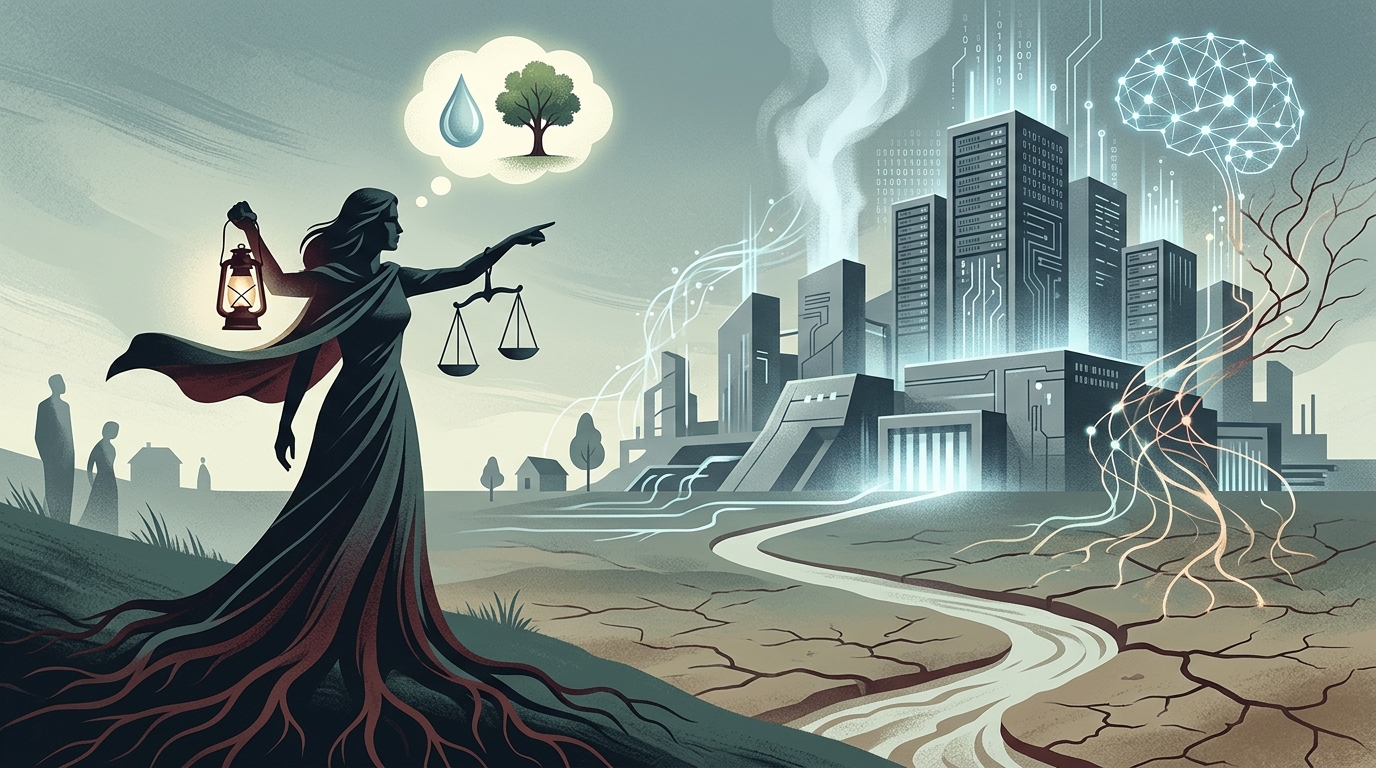
At the dawn of the Fourth Industrial Revolution, New Jersey—a state that often prides itself on its top-tier educational system—finds itself facing an existential challenge. Artificial Intelligence (AI) is no longer a distant promise; it is a present reality reshaping the landscape of learning. However, beneath the surface of technological progress, a new and deeper divide is emerging, threatening to split students into two distinct tiers: those who command the tools of the future and those who remain tethered to traditional, underfunded methods.
The Digital Inequality in the Age of AI
The historical "digital divide"—the gap in access to computers and the internet—has mutated into something far more complex. It is no longer just about whether a student owns a laptop, but whether they have access to advanced AI models, personalized digital tutors, and a curriculum that integrates critical technological use. In New Jersey, the disparities between affluent suburbs and low-income urban centers are stark. While wealthy districts invest in licenses for premium tools like ChatGPT Plus or Claude and train their staff, poorer districts are still struggling with basic infrastructure and connectivity issues.
This inequality extends beyond mere access to tools; it permeates pedagogical philosophy. In high-achieving schools, AI is treated as a partner in creativity and analysis. Students learn how to craft effective prompts, verify information validity, and use AI to accelerate research. Conversely, in under-resourced schools, AI is often viewed with suspicion as a "cheating tool," leading to restrictive policies or outright bans that deprive students of essential skills for the future job market.
The Teacher Training Gap
A critical factor in this emerging divide is educator readiness. Teaching in the age of AI requires a radical shift in mindset. However, professional development for teachers in New Jersey is fragmented. Educators in privileged school districts have access to continuous training and seminars on the latest EdTech developments. In contrast, their counterparts in disadvantaged areas are often overwhelmed by large class sizes and administrative burdens, leaving little time or resources to familiarize themselves with new technologies.
"If we do not act immediately, Artificial Intelligence will become the single greatest driver of social exclusion in the history of education," warn educational policy analysts.
The lack of a unified state strategy exacerbates the problem. Although the New Jersey government has taken steps toward promoting digital literacy, the speed of technological evolution far outpaces bureaucratic response. Without clear guidelines and equitable funding, AI risks transforming from a tool for democratizing knowledge into a private privilege for the few.
Toward Ethical and Equitable Integration
To bridge this gap, a holistic approach is required that goes beyond simply providing software. The state must invest in what could be described as a "Marshall Plan for AI in Education," which should include:
- Free access to safe and approved AI tools for all public schools, regardless of zip code.
- Mandatory and continuous professional development for teachers on the ethical and practical dimensions of AI.
- Revision of curricula to emphasize critical thinking and algorithmic literacy.
- Public-private partnerships to bring expertise and resources to lagging communities.
The stakes are immense. If New Jersey fails to ensure equitable access to AI, it will produce a generation of graduates who are essentially "illiterate" in the new digital world, reinforcing the cycles of poverty and inequality that education is supposed to break. Artificial Intelligence has the potential to be the great equalizer, but only if we consciously choose to make it accessible to everyone.