At the dawn of the third decade of the 21st century, the world of work is undergoing a transformation unlike anything seen since the Industrial Revolution. However, behind the headlines of productivity gains and innovation lies a quiet but profound reaction. Thousands of workers, primarily from the Baby Boomer generation and the early years of Gen X, find themselves at a critical crossroads: invest time and mental energy into mastering Artificial Intelligence (AI) or permanently close the chapter on their professional lives. For many, the answer is retirement.
The Psychology of 'Innovation Fatigue'
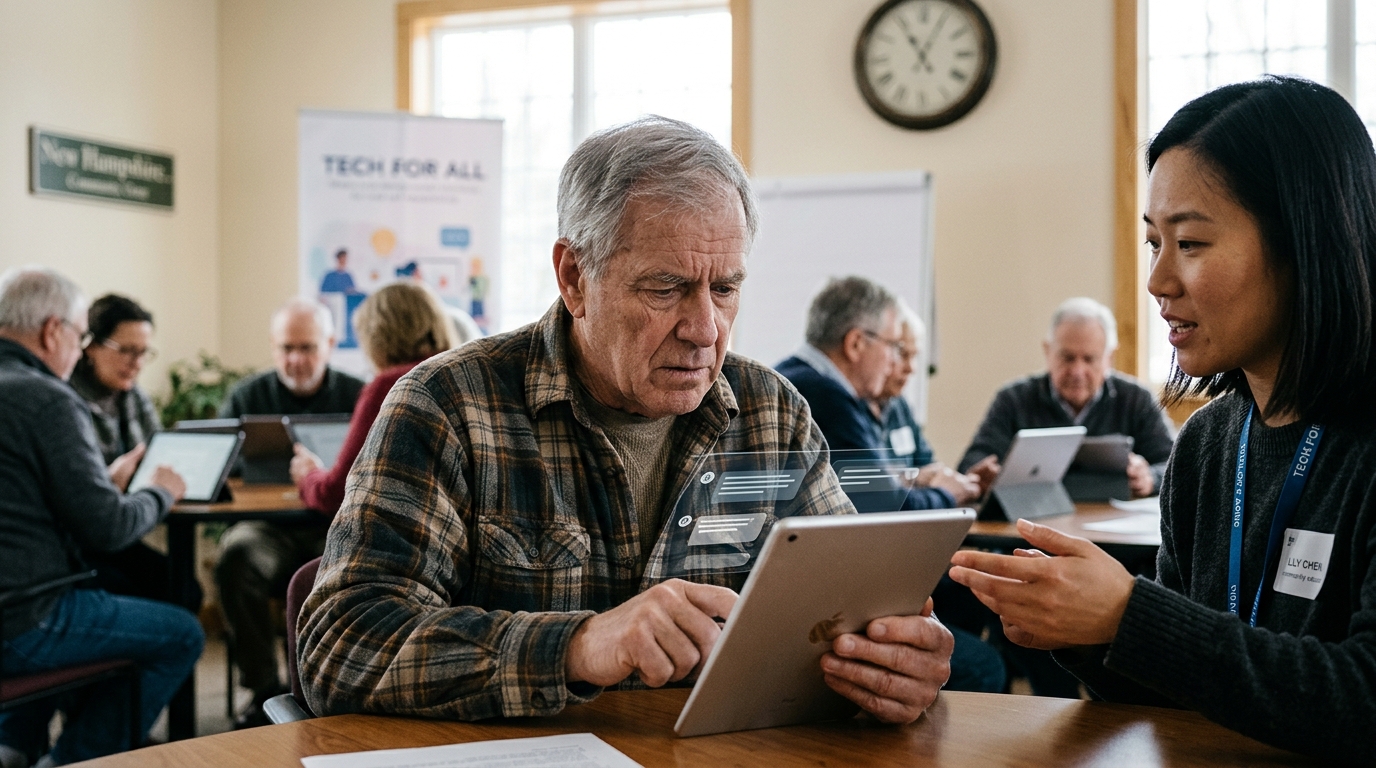
For the average worker in their 50s or 60s, AI is not just another piece of software, like Excel or email were in the 1990s. It represents a radical paradigm shift. Generative AI requires a new form of "digital literacy" based on communicating with machines through prompting and critically evaluating automatically generated outputs. This constant need for reskilling creates what psychologists call "cognitive load."
Many seasoned professionals feel they have already fought their battles. Having survived the 2008 financial crisis, the digital transition, and the recent pandemic, the requirement to relearn how to do their jobs with the help of algorithms feels like the "last straw." The decision to retire is not always an escape from technology but a conscious choice of priorities. When the time remaining until standard retirement is only a few years, the investment in learning complex AI systems often doesn't seem to make sense on a personal level.
The Loss of Institutional Memory
The mass departure of experienced staff due to AI is not just a statistic; it is a threat to business continuity. These workers possess "institutional memory"—the tacit knowledge of how an organization functions, client relationships, and the ability to make decisions based on experience and intuition. AI can synthesize data, but it cannot (yet) replace the judgment acquired after 30 years in the field.
- The lack of mentors for younger generations.
- The weakening of corporate culture.
- The gap in crisis management where human experience is irreplaceable.
Companies pushing for immediate and universal AI adoption without considering the needs of their veteran employees risk finding themselves with sophisticated tools but without the people who know where to point them. The "Great Resignation" we saw post-pandemic is now morphing into a "Great Tech-Induced Exit."
Corporate Responsibility and the Need for Bridges
The question arises: are employers doing enough to retain this valuable workforce? Often, AI training programs are designed by the young for the young, ignoring the different learning needs of older workers. Instead of an aggressive imposition of technology, organizations could propose "AI Advisory" roles, where experienced employees oversee the accuracy of machine outputs, blending technology with human wisdom.
"It's not that people are afraid of technology; it's that they are tired of running on a treadmill that keeps accelerating," notes a labor market analyst.
In conclusion, the trend of workers preferring retirement over AI reskilling is a mirror of our society. It reminds us that technological progress must keep pace with human endurance and dignity. If AI ends up driving out the most experienced among us, then perhaps we need to ask what kind of future we are building.