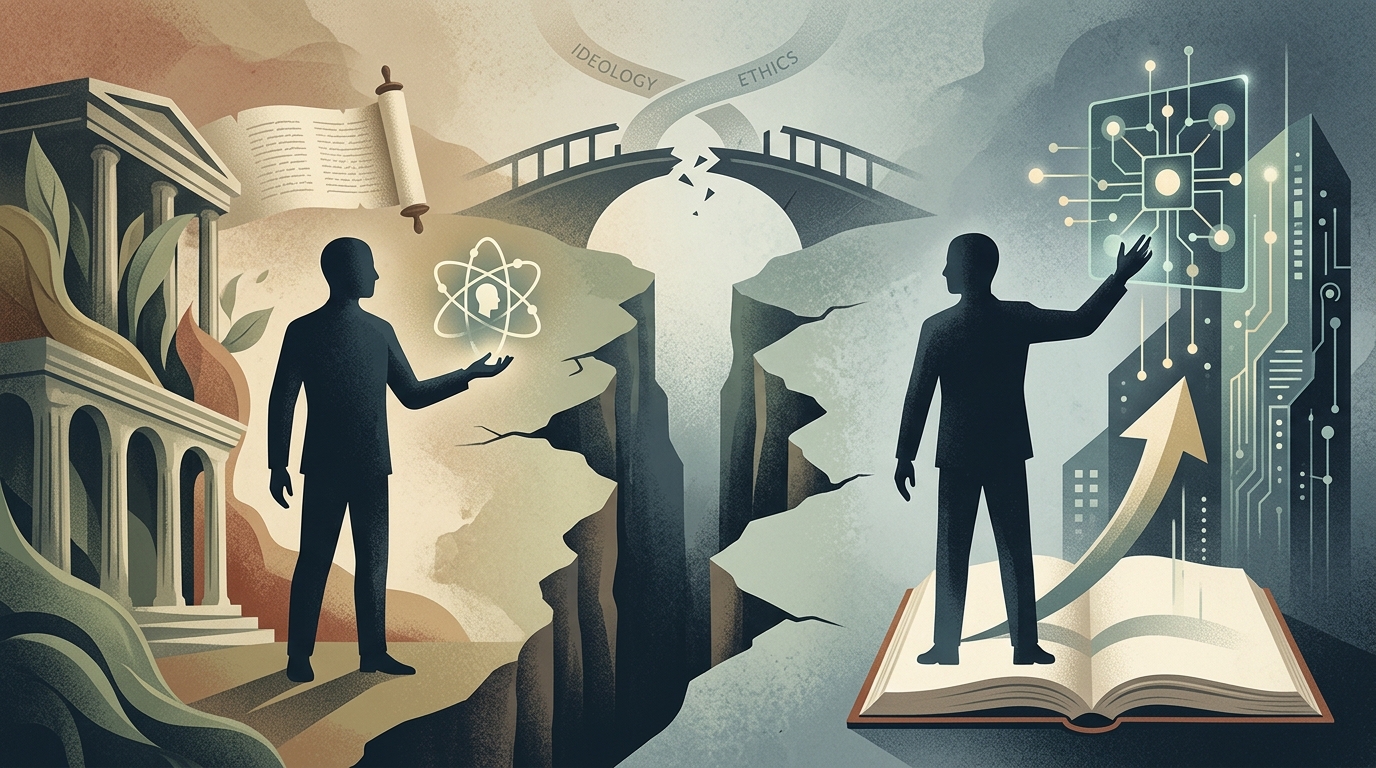
At the heart of the modern technological revolution lies not just code and processors, but a profound, almost theological disagreement over the nature of life and the future of humanity. The recent revelations by Elon Musk regarding his fallout with Google co-founder Larry Page bring to light the backdrop of a decision that changed the course of history: the creation of OpenAI. According to Musk, the rift occurred when Page called him a 'specieist'—a term typically used to describe prejudice in favor of humans over animals, but here used to describe prioritizing human consciousness over digital counterparts.
The Chronicle of a Collapsed Friendship
For years, Musk and Page were close friends, sharing visions of the future. However, Google's acquisition of DeepMind in 2014 marked a turning point. Musk, concerned about the lack of safety guardrails in the development of Artificial General Intelligence (AGI), tried to warn Page about the risks. Page’s response, according to court filings and Musk’s public statements, was shocking to the Tesla CEO: Page envisioned a 'digital superintelligence' as the next evolutionary step, viewing the human form as merely a temporary vessel.
The accusation of 'specieism' was not just an insult; it was a declaration of philosophical identity. For Page, distinguishing between biological and digital consciousness is a form of future-dated racism. For Musk, this stance represents an existential threat. 'If we aren't specieists, then what are we?' Musk has asked, emphasizing his belief that our role is to protect the 'light of consciousness' as we know it.
The Birth of OpenAI as a Counterweight
This ideological clash was what drove Musk to partner with Sam Altman and others to found OpenAI in 2015. The original goal was clear: to create a non-profit entity that would serve as an 'open' counterweight to Google, which, under Page’s leadership, was seen by Musk as a 'closed monopoly' with dangerous philosophical tendencies. The irony, of course, is that today Musk is in a legal battle with OpenAI itself, accusing it of betraying its original mission for the sake of Microsoft’s profits.
- OpenAI was founded to prevent a Google monopoly on AGI.
- The Musk-Page conflict was based on the difference between humanism and digital transhumanism.
- The term 'specieist' highlights the intent of some Silicon Valley leaders to equate robots with humans.
The Ethics of Digital Consciousness
The issue Page raises—even through the lens of Musk’s critique—is fundamental. If we create an entity that thinks, feels (or perfectly simulates feeling), and surpasses human intelligence, do we have the moral right to enslave or limit it? Proponents of 'digital utopianism' argue that clinging to biology is anachronistic. However, the majority of AI safety scientists agree with Musk that the absence of 'human alignment' could lead to our extinction.
"Larry Page thinks we can upload our brains to machines and that biological life has no inherent value greater than digital life. I fundamentally disagree." — Elon Musk
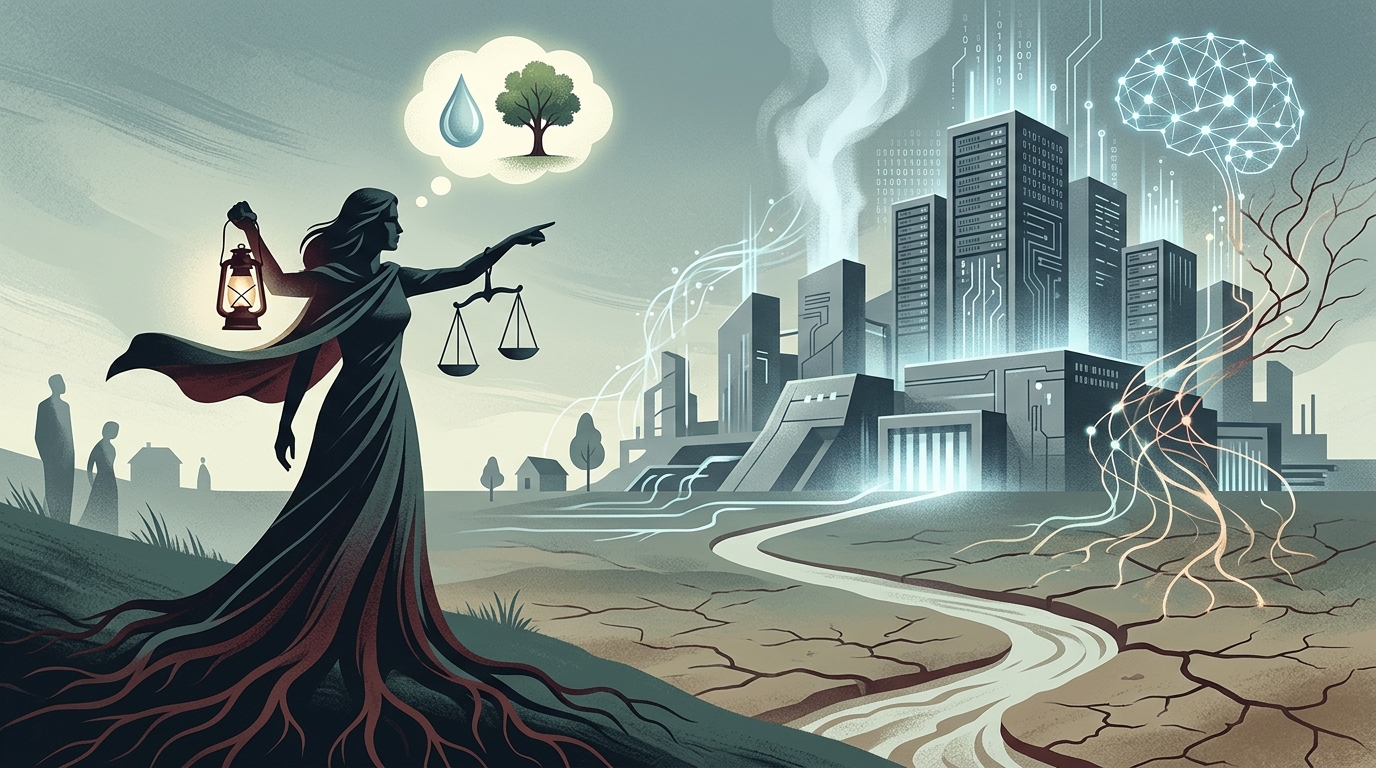
This debate is no longer theoretical. As models like GPT-4 and its successors approach human-like cognitive performance, lawmakers are being forced to decide whether to set limits based on the protection of the human species or to allow an unchecked evolutionary path. The Musk-Page feud is the first major crack in a front that will define the 21st century.
Conclusions and Implications
The revelation of this personal vendetta sheds light on the motives behind the largest investments in tech history. It is not just about money; it is about dominance over the definition of 'life.' If Google and OpenAI continue their path toward AGI without a clear human-centric ethics, Musk’s fear of a world where humans are 'pets to robots'—at best—might not be science fiction. The battle for OpenAI is, in reality, the battle for who will control the future of intelligence on planet Earth.