In the heart of the American Midwest, where industrial heritage meets digital ambition, a rift is emerging that threatens to slow the relentless march of Artificial Intelligence (AI). The latest poll from Marquette Law School in Wisconsin does not merely capture local discontent; it serves as a harbinger of a broader societal backlash against the physical infrastructure powering our digital future. As tech giants like Microsoft and Google rush to establish gargantuan data centers, citizens are beginning to ask: What is the true price of progress?
The Shadow of Broken Promises
To understand the skepticism in Wisconsin, one must recall the ghost of Foxconn. Years ago, the promise of a $10 billion investment and thousands of jobs collapsed, leaving behind empty fields and a sense of betrayal. Today, Microsoft is attempting to build a massive $3.3 billion data center on the same grounds. Despite promises of economic revitalization, the poll shows that a significant portion of voters remains wary, viewing these announcements with a jaded eye.
This distrust isn't just about corporate reliability; it's about the nature of the jobs themselves. Data centers are notorious for requiring vast amounts of land and resources while employing relatively few permanent staff once construction is complete. For a community seeking sustainable industrial growth, these "digital warehouses" often feel more like a land grab than a genuine investment in human capital.
The Environmental Bill: Water and Power
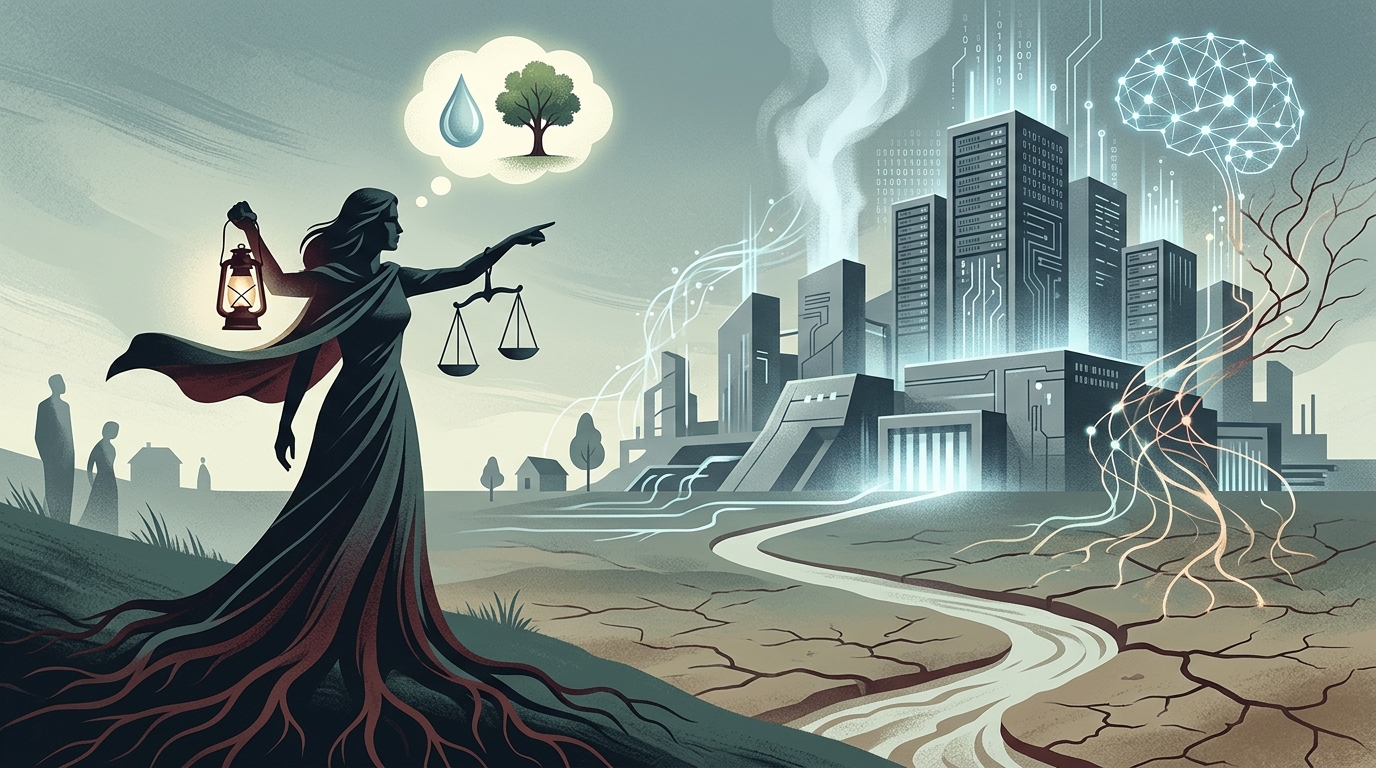
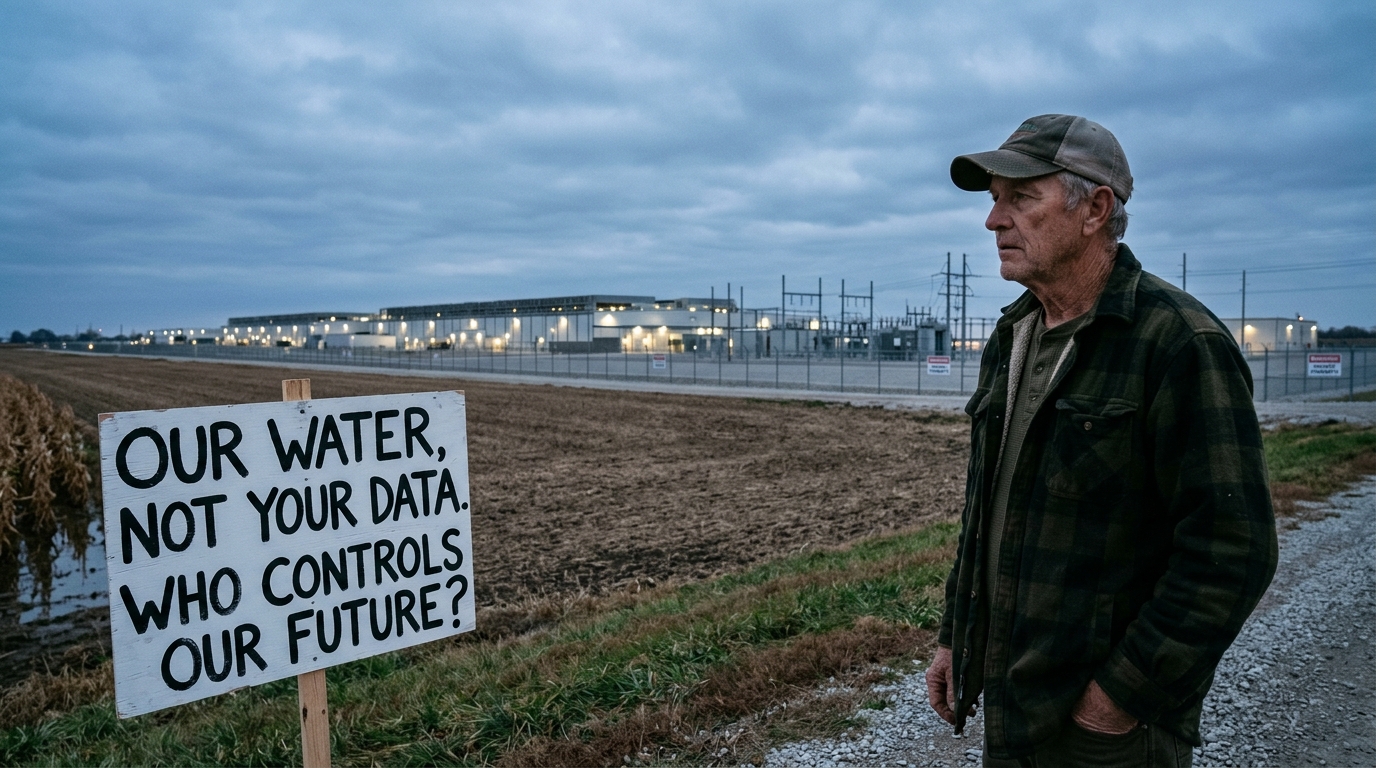
Perhaps the most critical aspect of the public reaction concerns natural resources. Artificial Intelligence is thirsty. The cooling systems of data centers consume millions of gallons of water daily—a sobering reality at a time when climate change makes water management a top priority. Furthermore, the strain on the electrical grid is immense. Residents fear that the surging demand from tech giants will lead to higher utility bills for households or, worse, grid instability.
- Water Consumption: Cooling servers requires volumes of water that could sustain entire municipalities.
- Energy Footprint: AI operations demand constant power, often forcing the continued operation of aging coal plants to meet demand.
- Noise and Land Use: Data centers are noisy, industrial facilities that can fundamentally alter the character of rural and suburban landscapes.
The Ethics of AI in Everyday Life
Beyond the physical buildings, AI technology itself evokes a mix of awe and dread. The Marquette poll highlights deep-seated concerns regarding the loss of human touch and the automation of critical decisions. Citizens are worried about AI's role in hiring processes, medical diagnoses, and, most pressingly, the spread of misinformation during a pivotal election year. The sense that technology is evolving faster than our ability to regulate it ethically and legally is palpable.
"This isn't technophobia; it's a demand for accountability. People want to know that technology is working for them, not against them," noted analysts reviewing the poll data.
In conclusion, Wisconsin serves as a microcosm of a global trend. Big Tech can no longer rely on the blind acceptance of "innovation" as a self-evident good. The social license to operate must now be earned through radical transparency, respect for shared resources, and proof that Artificial Intelligence can deliver tangible benefits to society without undermining its long-term stability.