The rapid integration of Artificial Intelligence (AI) into the workplace is no longer a futuristic scenario; it is a daily reality fundamentally transforming the relationship between employer and employee. However, a new report from researchers at the University of Cincinnati highlights a grim aspect of this evolution: the near-total absence of "guardrails" to protect workers' rights against opaque algorithms.
The Algorithmic Boss: From Hiring to Firing
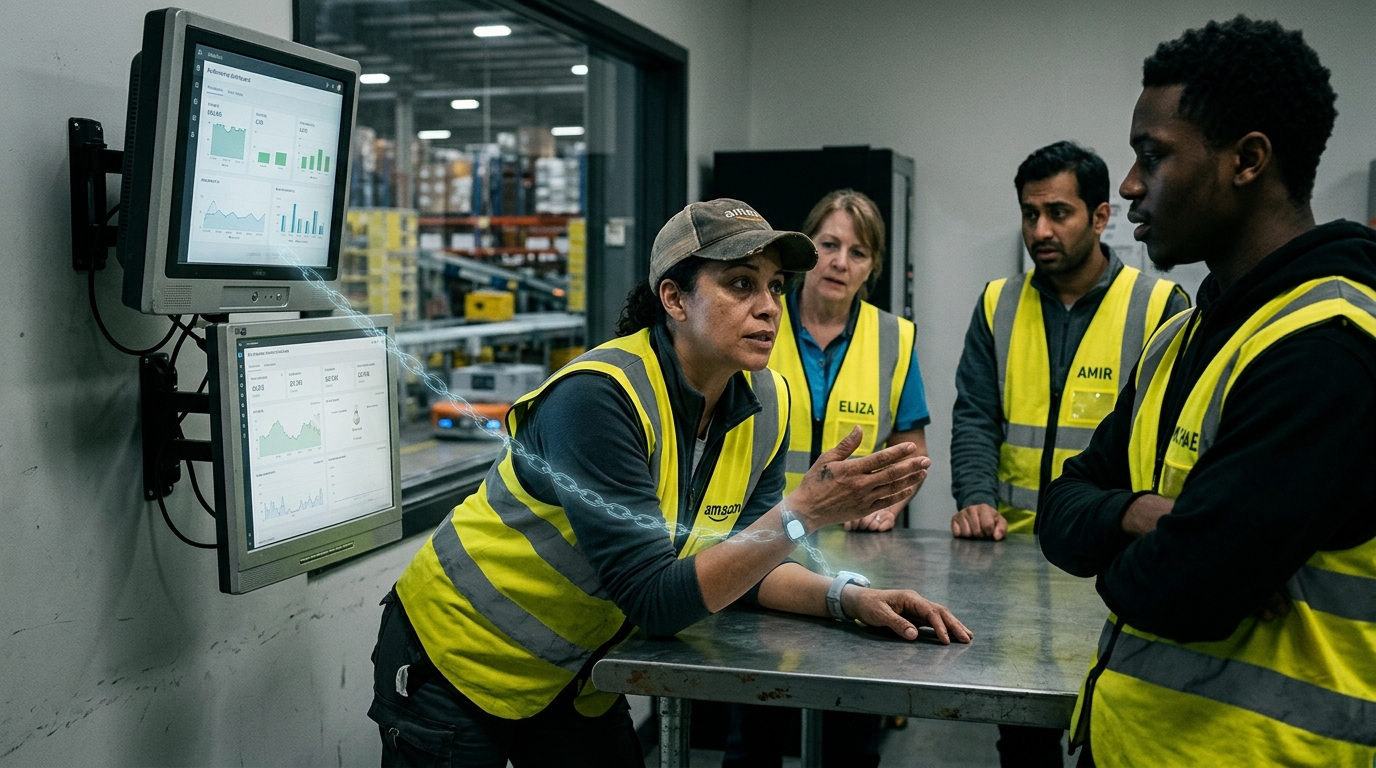
Today, AI is not just used to automate manual tasks. It is used to make critical decisions: who gets hired, who gets promoted, and, most disturbingly, who gets fired. "Algorithmic Management" systems analyze vast amounts of data to evaluate productivity, often without considering the human factor or the unpredictable conditions of real life.
According to the research, many workers find themselves under constant surveillance by "bossware" software, which records every mouse movement, time spent away from the screen, and even facial expressions via camera. This level of monitoring creates an environment of intense stress and insecurity, where the employee ceases to be treated as a human being and is turned into a data set to be optimized.
The Protection Gap and Data Bias
The primary issue highlighted by labor organizations is the lack of transparency. Algorithms used in hiring are often trained on historical data containing human biases. If a company has never hired women for leadership roles in the past, the algorithm may "learn" that women are less suitable for these positions, reproducing discrimination in a seemingly "scientific" manner.
- Lack of accountability: When an algorithm makes a mistake, it is extremely difficult for the worker to seek justice.
- Erosion of collective bargaining: Individualized monitoring makes collective action more difficult.
- Psychological pressure: The feeling of being judged by a machine that does not understand the context of your work.
Labor Union Response and the European Perspective
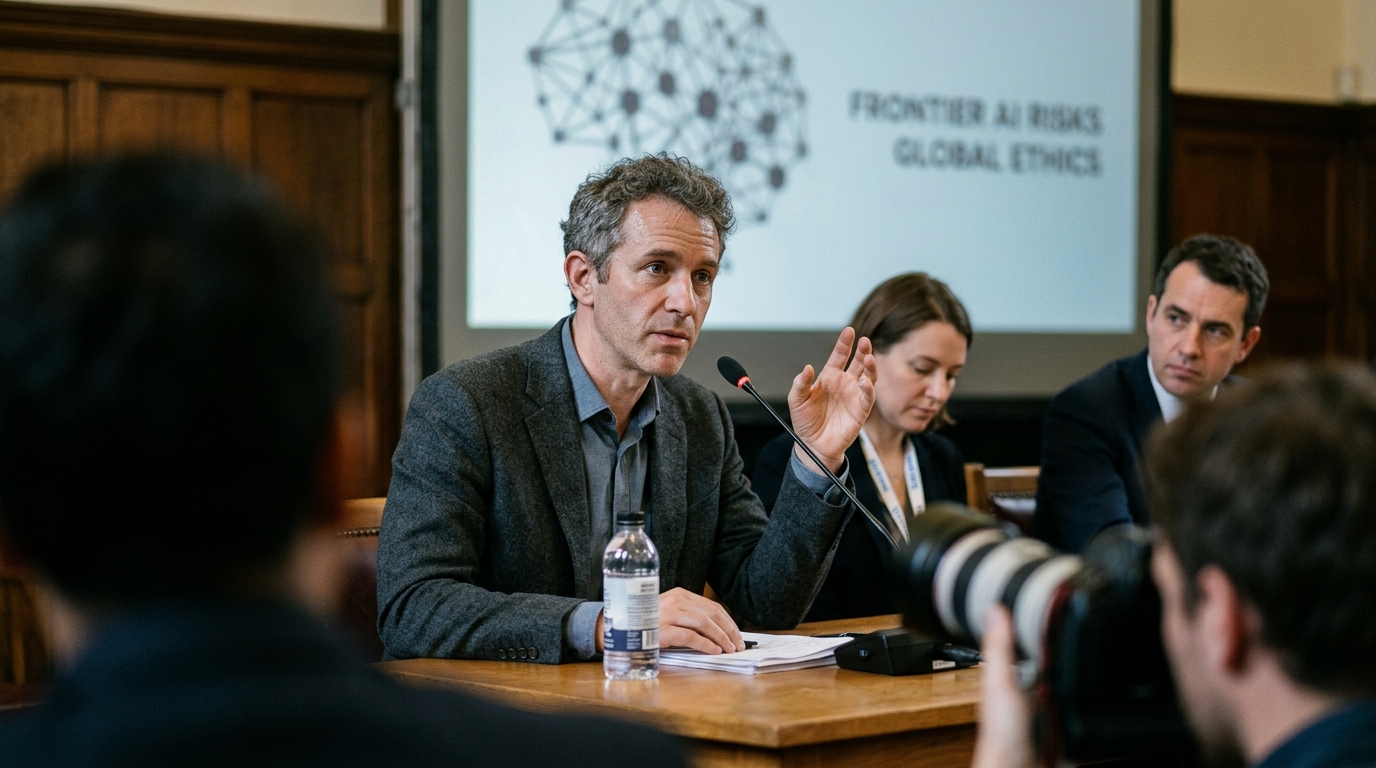
While legislation in the US remains fragmented, in the European Union, the AI Act attempts to set some boundaries by classifying AI systems in the workplace as "high risk." However, labor unions warn that laws are lagging behind technological speed. They demand the right to "human-in-the-loop" intervention, ensuring that no decision about a worker's life is made solely by a machine.
"We cannot allow technology to become the pretext for a return to 19th-century working conditions, dressed in 21st-century clothing," state representatives of labor federations.
The challenge for 2026 and beyond is creating a framework where technology enhances human creativity rather than suppressing it. Algorithmic transparency is not just a technical issue; it is a fundamental requirement for democracy in the workplace.