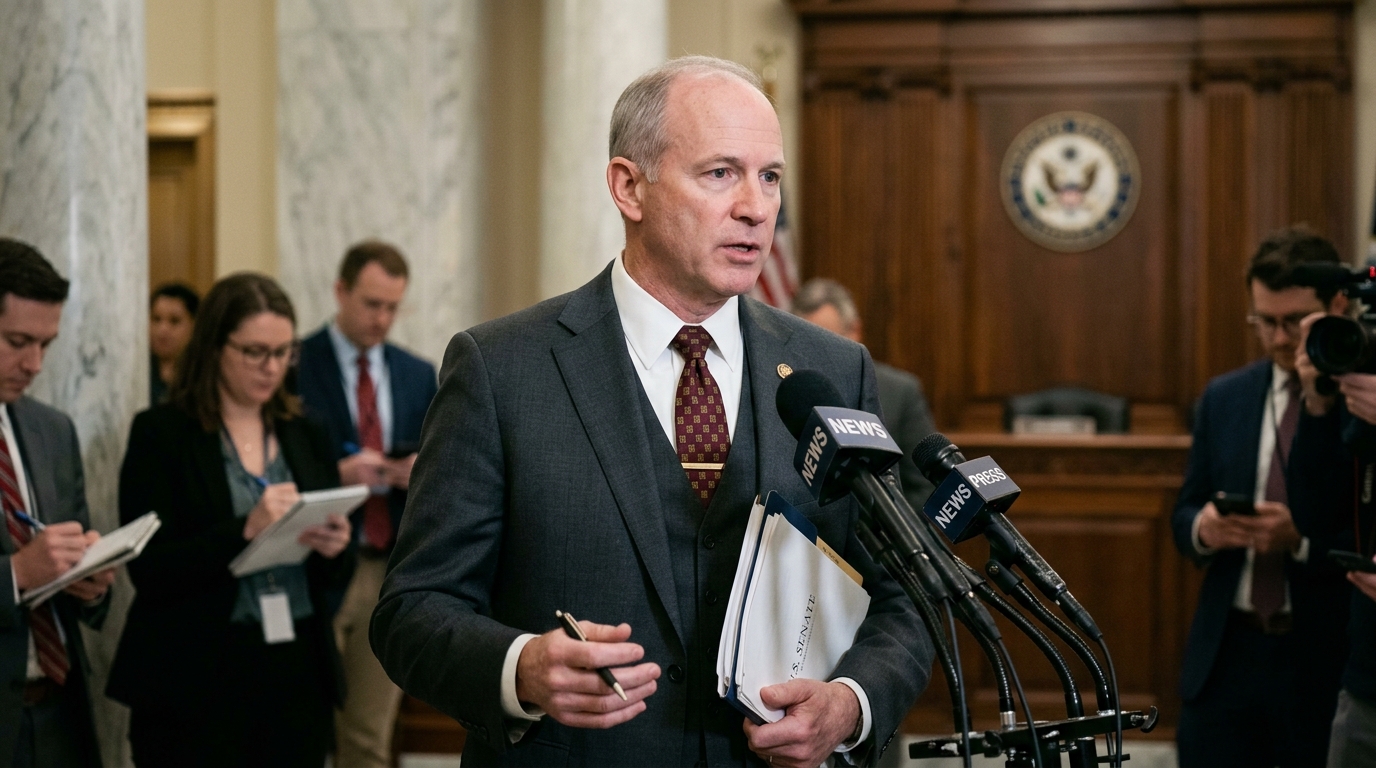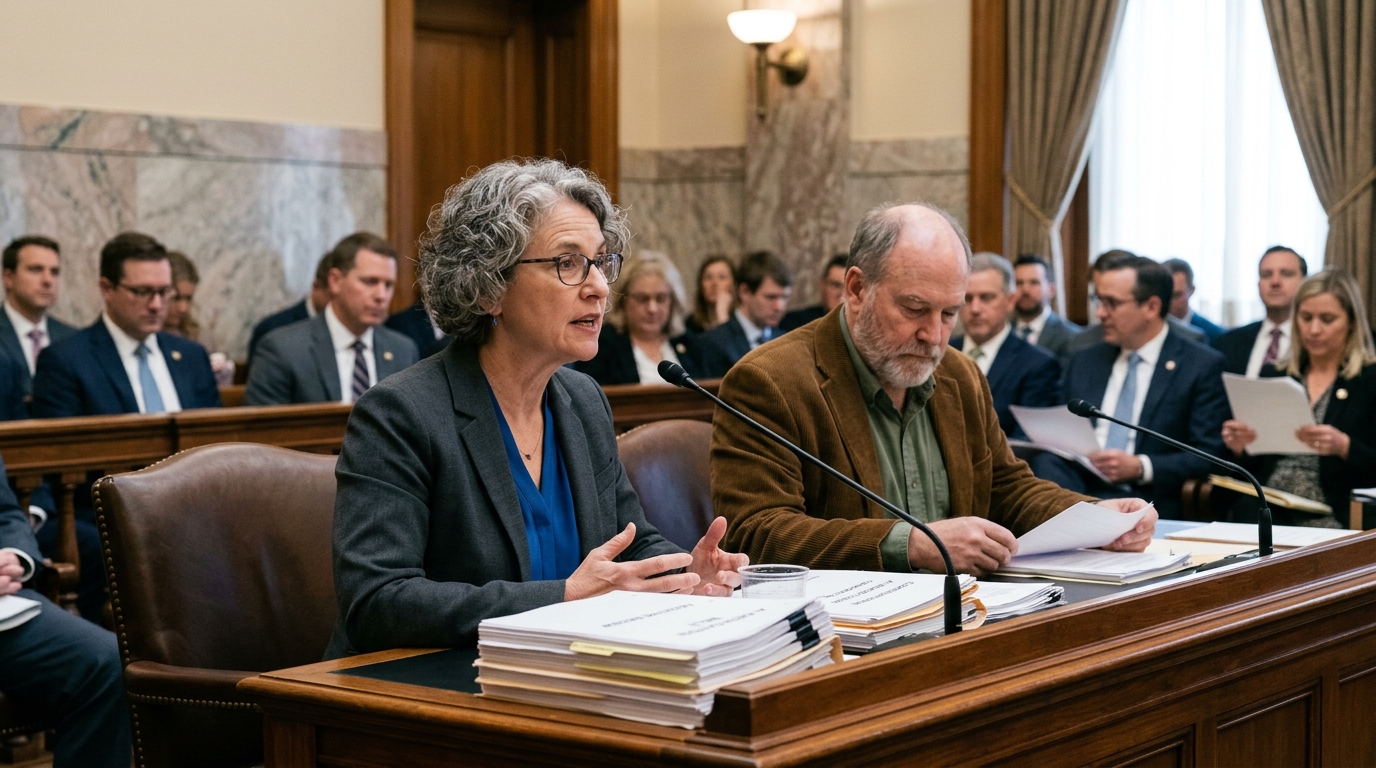
In an era where technological advancement races at speeds that outpace bureaucratic imagination, the United States finds itself at a critical crossroads. With Congress remaining gridlocked in partisan disputes and federal AI legislation appearing as a distant dream, the burden of responsibility has shifted to state capitals. From Denver to Sacramento and from Springfield to Albany, lawmakers are grappling with a fundamental challenge: how to harness a force that promises to reshape the economy without stifling the innovation that fuels it.
The Legislative Patchwork and the Risk of Fragmentation
The current debate in state assemblies is not just about technology; it’s about the very architecture of governance. As different states adopt varying rules, a "patchwork" of regulations is emerging, creating a significant headache for tech companies. California, for instance, focuses on the safety of large-scale models and preventing catastrophic risks, while Colorado has prioritized protecting consumers from algorithmic discrimination in employment and housing.
Critics of this fragmented approach argue that 50 different sets of rules will make it impossible for small and medium-sized AI enterprises to operate, leaving the field open only to giants with the legal resources to comply. However, proponents of state initiatives counter that federal inaction cannot be an excuse for a lack of citizen protection. "We cannot afford to get AI wrong," a lawmaker from Illinois stated, emphasizing that the consequences of algorithmic errors are already visible in real life.
Algorithmic Bias and the Threat of Deepfakes
One of the most pressing issues under legislative scrutiny is algorithmic bias. There are documented cases where AI systems rejected loan applications or resumes based on prejudices inherent in their training data. New legislative proposals require companies to conduct "impact assessments" and disclose how machine-led decisions are made. This demand for transparency is meeting stiff resistance from the industry, which cites "trade secrets" as a defense.
Simultaneously, the rise of deepfakes—realistic but fake images and videos—poses a direct threat to the democratic process. With the 2026 elections approaching, states are rushing to enact laws that criminalize the use of AI to mislead voters or create non-consensual pornographic content. The challenge here is the delicate balance between protecting the truth and safeguarding freedom of speech—a theoretical exercise that proves exceptionally difficult in practice.
- Transparency: Requirements for companies to disclose when content is AI-generated.
- Accountability: Establishing legal liability for developers in cases of proven harm.
- Data Protection: Stricter rules on the collection of data used to train foundational models.
- Human Oversight: Ensuring that critical decisions in health and justice are not made solely by algorithms.
Silicon Valley Lobbying vs. Public Pressure
The battle in statehouse corridors is fierce. On one side, Silicon Valley representatives warn that over-regulation will lead to a "brain drain" to foreign countries or states with more lenient rules. They argue that AI is an emerging technology and that strict rules today may become obsolete tomorrow.
On the other side, civil rights organizations and consumer unions are pushing for immediate action. They argue that corporate self-regulation has failed in the past—citing social media as a prime example—and that society cannot wait for the next crisis to react. The debate has moved beyond technicalities into the realm of deep politics, touching on issues of economic inequality and social justice. Ultimately, regulating AI is not just a matter of code; it is a matter of values.
"Artificial intelligence is the electricity of the 21st century. We cannot leave its supply without circuit breakers," a policy analyst remarked.
As we progress through 2026, the outcome of these legislative battles will determine not only the future of technology in the US but will also serve as a global roadmap. If states succeed in creating a functional framework, they might force the federal government to act. If they fail, the risk of a digital "Wild West" remains more visible than ever.