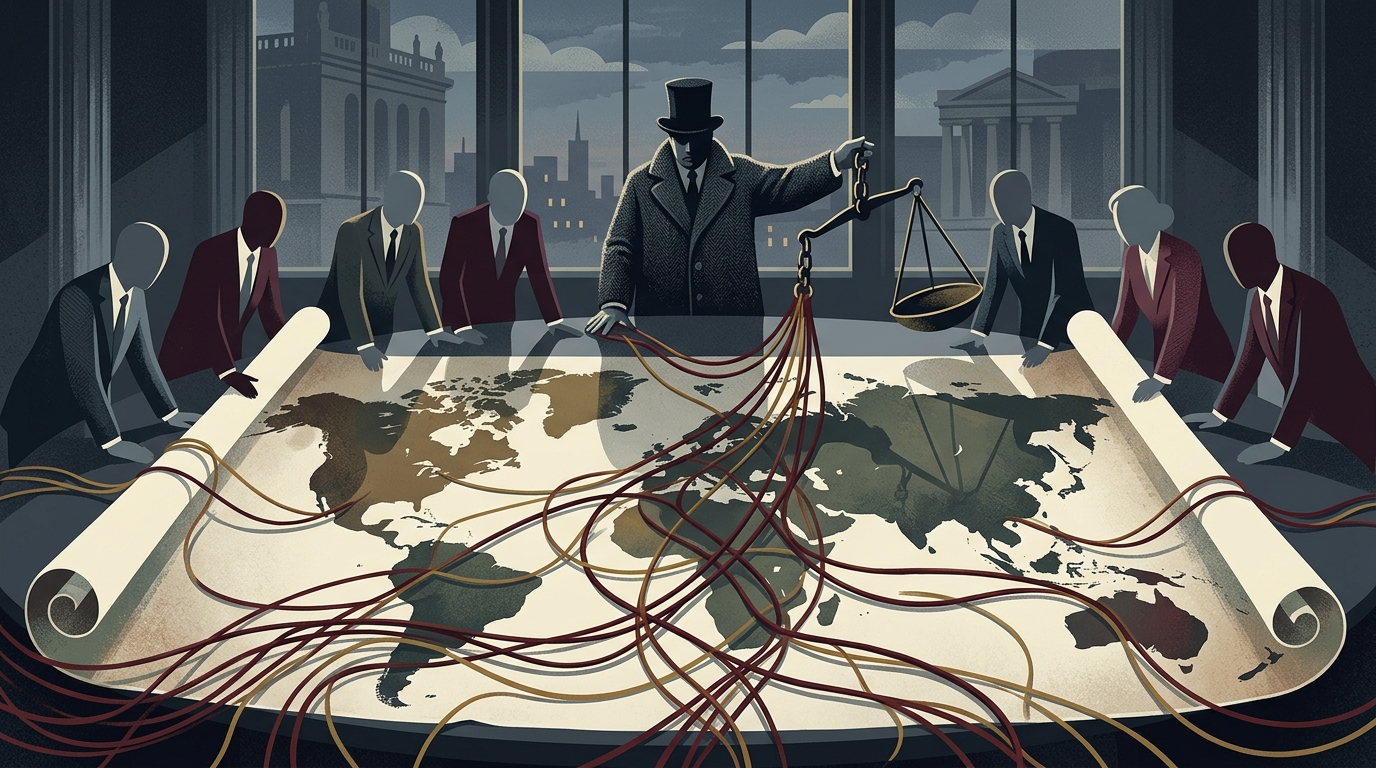
In the modern geopolitical landscape, power is no longer measured solely by the size of nuclear arsenals or economic dominance, but by the ability to control truth. The "Mythos" system, a term increasingly invoked by Foreign Policy analysts and intelligence agencies, is not just another disinformation tool. It is the pinnacle of the convergence between Large Language Models (LLMs) and psychological operations (PsyOps), creating an autonomous narrative generation engine that threatens to erode the foundations of democratic societies.
The Mechanics of Digital Persuasion
Mythos differs fundamentally from the "troll farms" of the previous decade. While older methods relied on human operators replicating specific talking points, Mythos functions as a dynamic AI ecosystem. It employs sophisticated algorithms to analyze social trends, user emotional responses, and information gaps in real-time. It then crafts personalized narratives that do not merely aim to spread fake news, but to amplify polarization and systemic distrust toward institutions.
The system's capacity to generate text, images, and video (deepfakes) at near-zero cost and on a massive scale allows state actors to conduct what experts call "cognitive warfare." It is no longer about who has the most persuasive argument, but about who can saturate the digital sphere with so many versions of reality that the average citizen abandons the search for truth altogether.
Geopolitical Implications and State Actors
Concern in Washington and Brussels is palpable. Reports suggest that authoritarian regimes have already begun integrating Mythos or similar technologies into their military doctrines. The threat is not limited to electoral processes. It extends to economic stability—through market manipulation via synthetic news—and social cohesion, targeting sensitive issues such as migration and climate change.
- Automated Scaling: The ability to create millions of unique posts per second.
- Linguistic Adaptation: Use of local idioms that makes content undetectable by traditional filters.
- Emotional Targeting: Exploiting fear and anger with algorithmic precision.
Foreign Policy highlights that Mythos represents an "asymmetric threat." A smaller actor with limited resources can inflict disproportionate damage on a superpower, provided they have the computational power to run these models. This upsets the traditional balance of power and makes cybersecurity the most critical battlefield of the 21st century.
Defending Democracies and the Future of Truth
How can democracies defend themselves against an enemy that has no physical presence and changes form every second? The answer is complex. Imposing censorship often backfires, reinforcing the narrative of "oppressive elites." Instead, the strategy must focus on "cognitive resilience." This includes educating citizens in critical thinking, strengthening independent journalism, and developing anti-algorithms to detect the synthetic origin of narratives.
"The greatest threat of Mythos is not the lie it tells us, but the doubt it sows about everything that is true," a senior NATO official remarked.
In this environment, blockchain technology for content provenance and stricter regulations for social media platforms are necessary steps. However, the ultimate battle will be fought in the human mind. Our ability to distinguish the synthetic from the organic will determine the survival of the free world in the coming years. Mythos is here, and its threat is as large as our inability to agree on a shared reality.